Learn more

Learn more
Learn more
How Plants Improve Your Mental Health
.jpg)


How do plants affect our mental health?
Plants have been with us throughout human history. Until now.
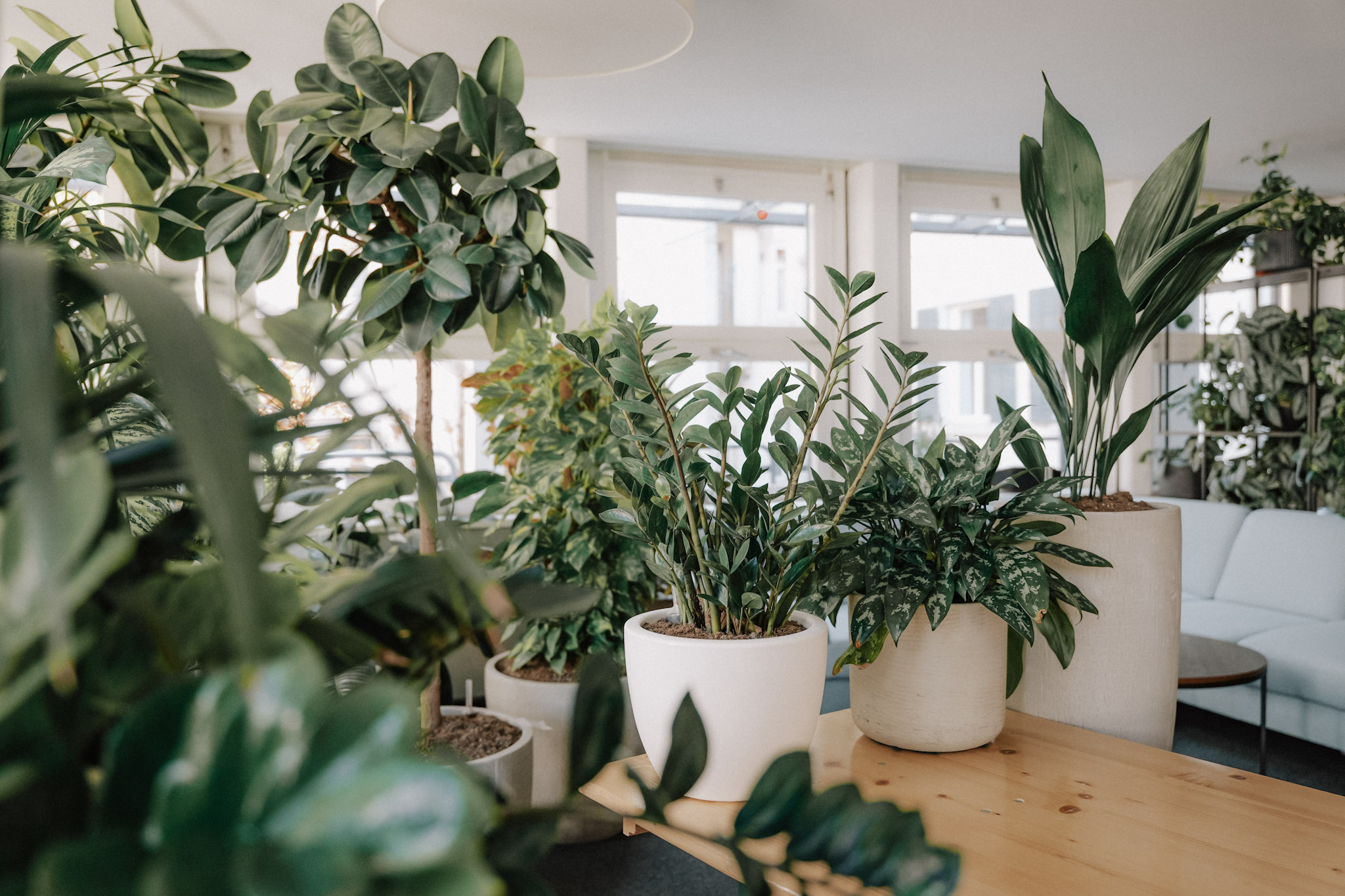
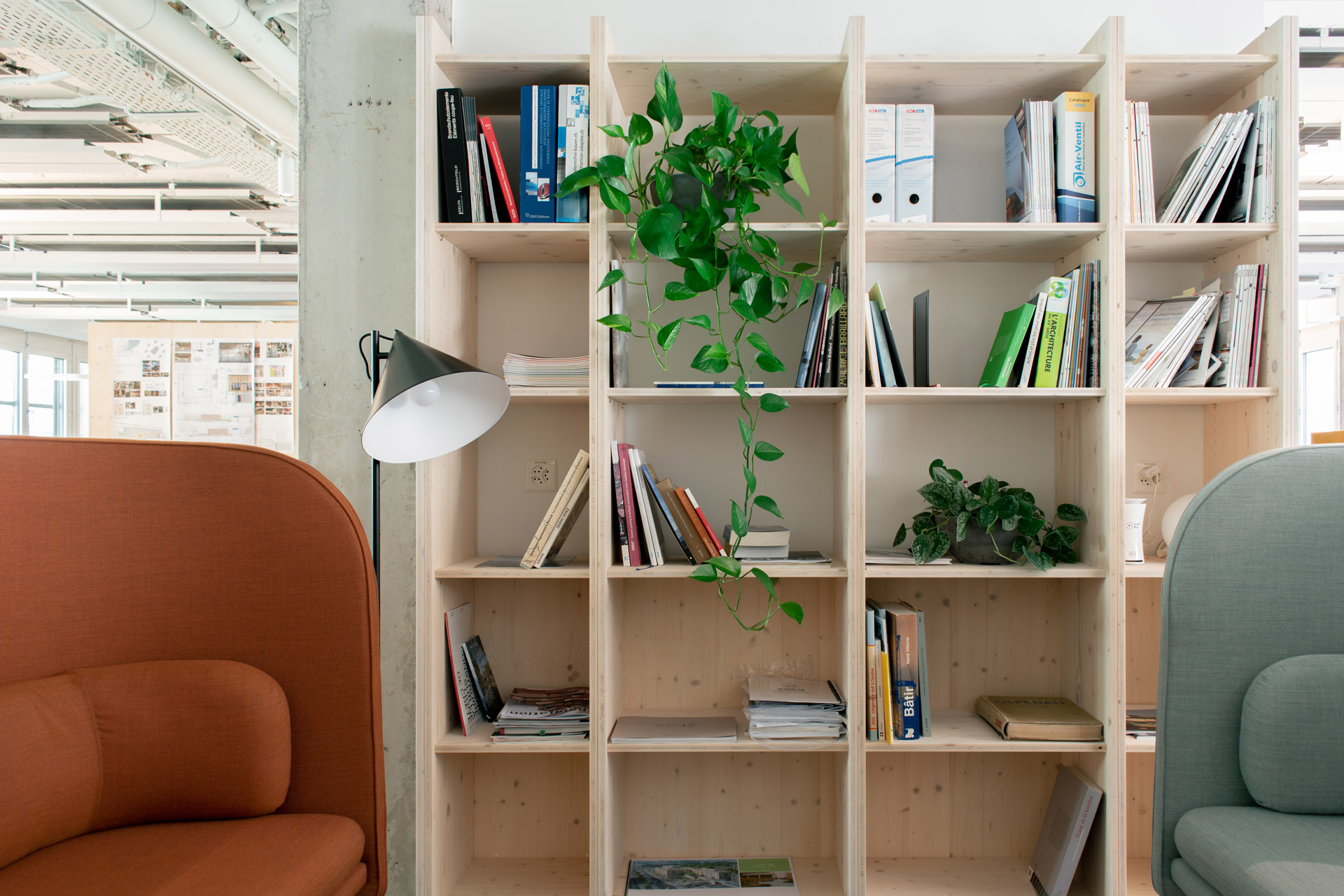
In today's modern world, we've moved indoors and left nature outside. We spend more than 90 percent of our working day indoors, breathing between 10,800 and 11,000 liters of air there every day. That air is hardly fresh: furniture, carpets, and electronics constantly release invisible trace substances into it, known as volatile organic compounds (VOCs). And when your focus starts to fade in the afternoon and your motivation gets lost somewhere between the screen and the gray walls, the problem often isn't you. It's the room. This is exactly where biophilic design comes in: it brings nature back into the workplace. Plants improve the air, calm the mind, and turn a sterile office into a cozy little oasis.
.jpg)
How do plants change the way we feel, think and work?
Lower stress levels
Screen work takes more of a toll on us than we think. Experts even have a name for it: “technostress.” A study published in the Journal of Physiological Anthropology shows that after just 15 minutes at a computer, feelings of discomfort and tension begin to set in. We feel disconnected from our surroundings, and our stress levels rise measurably.
The picture was completely different when the same people had access to potted plants. Their discomfort eased. They felt calmer, more relaxed, and more connected to their surroundings, simply from having greenery nearby.
Cognitive performance
Plants can do more than just reduce stress. A study by the American Society for Horticultural Science found that plants are linked to greater efficiency in the workplace. Some employees even said that when faced with tricky tasks, they deliberately let their gaze wander to the plants to come up with new ideas. This suggests that greenery doesn’t just have a calming effect, it can also spark creativity.
How to get it right
That said, simply putting a few pots in the corner isn’t enough. Whether plants actually make a difference depends on how they’re used. This is also shown by the HortScience case study: the health of the plants, the species involved, and people’s personal plant preferences all play an active role in the outcome. A greening concept therefore works best when it’s designed for the specific space. These are the most important ground rules:
1. Mind the light: Place plants where they get enough natural or artificial light.
2. Care for them regularly: Only healthy plants have a positive effect; neglected ones tend to do the opposite.
3. Group instead of scattering: A cohesive plant island has a stronger effect than individual pots.
4. Get the scale right: Match the number of plants to the size of the office and the number of people working there.
5. Choose suitable species: For example, Howea forsteriana or Strelitzia nicolai, which cope well with office conditions and are considered air-purifying.
Too much effort to plan and maintain? Our dedicated greening concept team is happy to take care of it for you.
The bottom line
Office plants are more than just decoration. They can influence how we feel at work, how well we concentrate, and how much we enjoy coming into the office. Research on the topic is growing, and more and more companies are deliberately bringing greenery back into the workplace. After all, a space that looks vibrant isn’t a luxury. It’s a place where good work comes more easily.
We’ve left nature outside long enough. It’s time to bring it back in.

Being near potted plants calms the body's stress response and eases the restlessness linked to long hours at a screen. Employees exposed to greenery report feeling calmer and more connected to their surroundings.
Yes. Research from the American Society for Horticultural Science links ornamental plants to greater efficiency, and some employees use nearby plants as a source of inspiration during demanding tasks.
It depends on the size of the office and how many people work there. A greening concept designed for your specific space, rather than a generic plant order, gets this balance right.
Species known for absorbing pollutants and CO₂ tend to perform best, such as Howea Forsteriana (Kentia palm) and Strelitzia Nicolai (giant white bird of paradise).
Placement should take natural and artificial light into account. Grouping plants into a dedicated plant island tends to work better than scattering single pots around the room.
Yes, ongoing care matters as much as placement. Plants that are not maintained lose much of their effect on mood, air quality and cognitive benefits, which is why most companies choose a full service greening concept over managing it themselves.