Learn more

Learn more
Learn more
Howea forsteriana
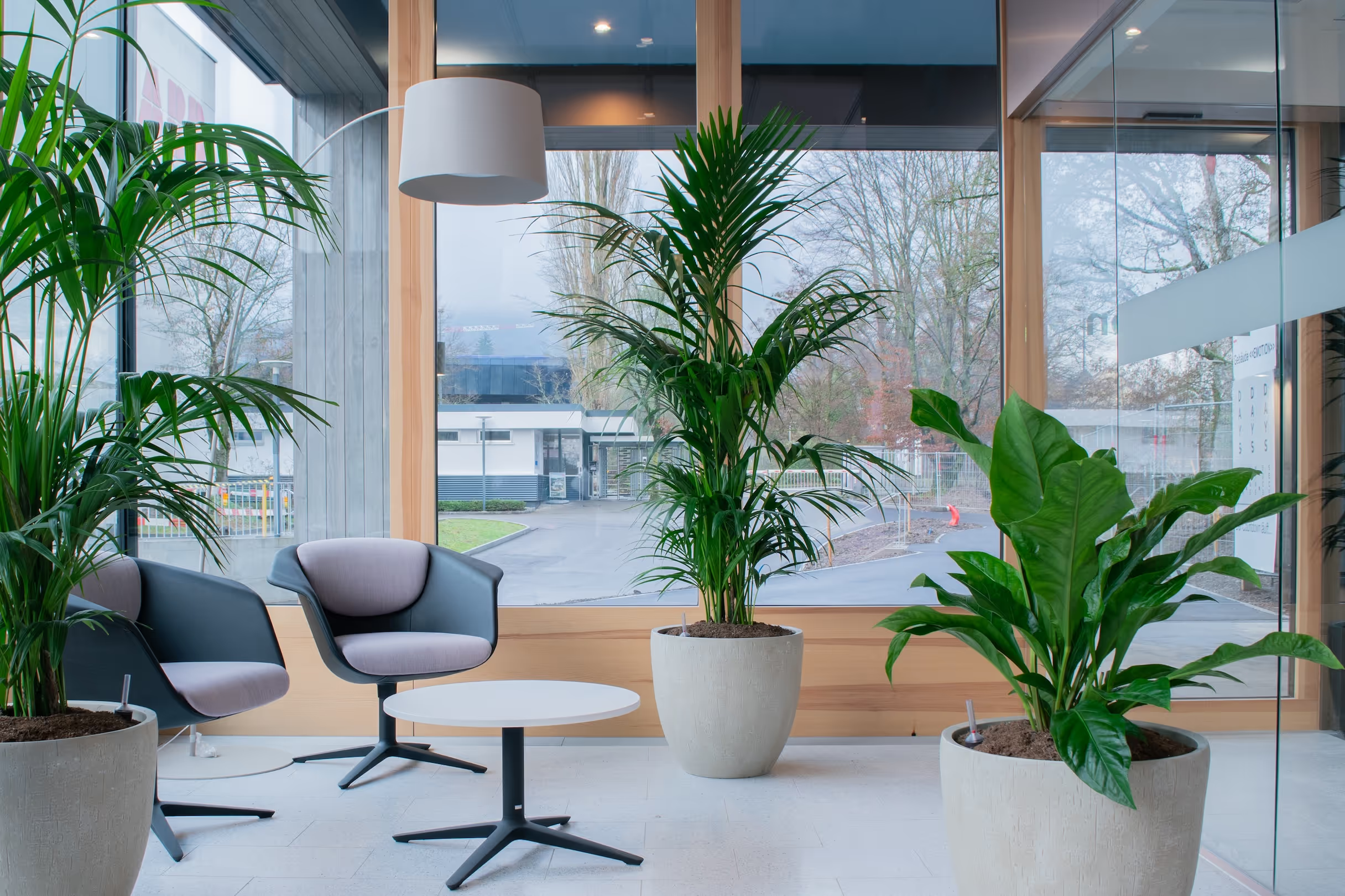

Why the Howea forsteriana makes a great office plant
There is a certain cinematic grace to the Howea forsteriana. Known as the Kentia Palm, it has the confident poise of a plant that understands the assignment: look effortlessly elegant, remain unbothered by the everyday tempo of office life, and bring a note of natural sophistication into workspaces that often lean toward the pragmatic.
.avif)
All you need to know about the Howea forsteriana
Its long, finely arched fronds unfurl in a deep, velvety green that instantly softens the geometry of corporate interiors. Standing tall and sculptural, the Kentia carries a quiet architectural quality, never loud, always serene, making it a favourite in contemporary workspace design. At around 190 cm high and 95 cm wide in this configuration, it sits comfortably in open-plan offices, meeting rooms, or informal lounge corners, offering presence without taking centre stage.
The species has a reputation for tolerating typical indoor light conditions with remarkable composure. Low to medium light, stable room temperatures, the ebb and flow of office rhythms: none of it seems to trouble the Kentia. Its slow growth means it keeps its shape beautifully over long periods, and with no flowering or pollen to consider, it blends seamlessly into environments shared by many people. As a natural space divider, it marks zones gently, adding privacy without interrupting visual openness.
In short: the Howea forsteriana is the kind of colleague that elevates the atmosphere simply by being in the room.
Under what conditions does the Howea forsteriana thrive?
The Kentia Palm originates from Lord Howe Island, a small Australian outpost where lush forests meet mild maritime conditions. High humidity, shaded understories, and temperatures that hover between 15 and 27 degrees form the backdrop of its native habitat. Indoors, this translates to a plant that feels perfectly at ease in the calm, consistent climates typical of modern offices.
Its preference for indirect light and its resilience under low-light situations make it especially suitable for interior architects seeking greenery for deeper floor areas or corner zones. The plant’s sturdy structure and slow annual growth of around 20 cm ensure long-term stability, both aesthetically and horticulturally.
Watering
The plant should be watered moderately, and it should be ensured that the substrate dries slightly between watering cycles. Excessive moisture at the root zone should be avoided to maintain healthy root development.
Fertilization
The plant should be fertilized periodically with a balanced nutrient supply that supports sustained foliage colour and structure. It should be ensured that fertilization remains consistent throughout the active growth phase.
Cutting
Cutting measures should be limited to removing naturally ageing fronds. It should be ensured that only completely dried leaves are removed to preserve the plant’s natural form.
Other Care
The plant should be placed in a stable, well-drained substrate and benefit from elevated humidity levels reminiscent of its island origins. It should be ensured that temperature fluctuations remain minimal to maintain optimal vitality.
How much water is evaporated by the Howea forsteriana?
“Using research, real-life tests, and office air quality data, we approximate the effect of different plant species. Of course, the actual effect can vary depending on things like room conditions and the plant’s overall health.” George, Data Project Manager
The Howea forsteriana is more than an aesthetic highlight; it plays its part in creating a fresher, more balanced indoor atmosphere. Based on Oxygen at Work’s plant impact approximations, the Howea evaporates around 2.1 litres of water per month, a subtle yet meaningful contribution to indoor humidity levels in office environments that often lean too dry. With a leaf surface area of 1.2 m², the fronds act as a natural passive humidification system, continuously releasing moisture through transpiration.
The size of this specific configuration, 190 cm in height and 95 cm in width, gives it enough leafy surface to support healthier air while remaining compact enough for typical workspace layouts. The effect is gentle and unobtrusive, adding a layer of atmospheric comfort that aligns well with data-driven workspace wellbeing strategies.
An average Howea forsteriana in numbers
Height: 190 cm
Width: 95 cm
Leaf Surface: 1.2 m²
Monthly Water Evaporation: 2.1 l
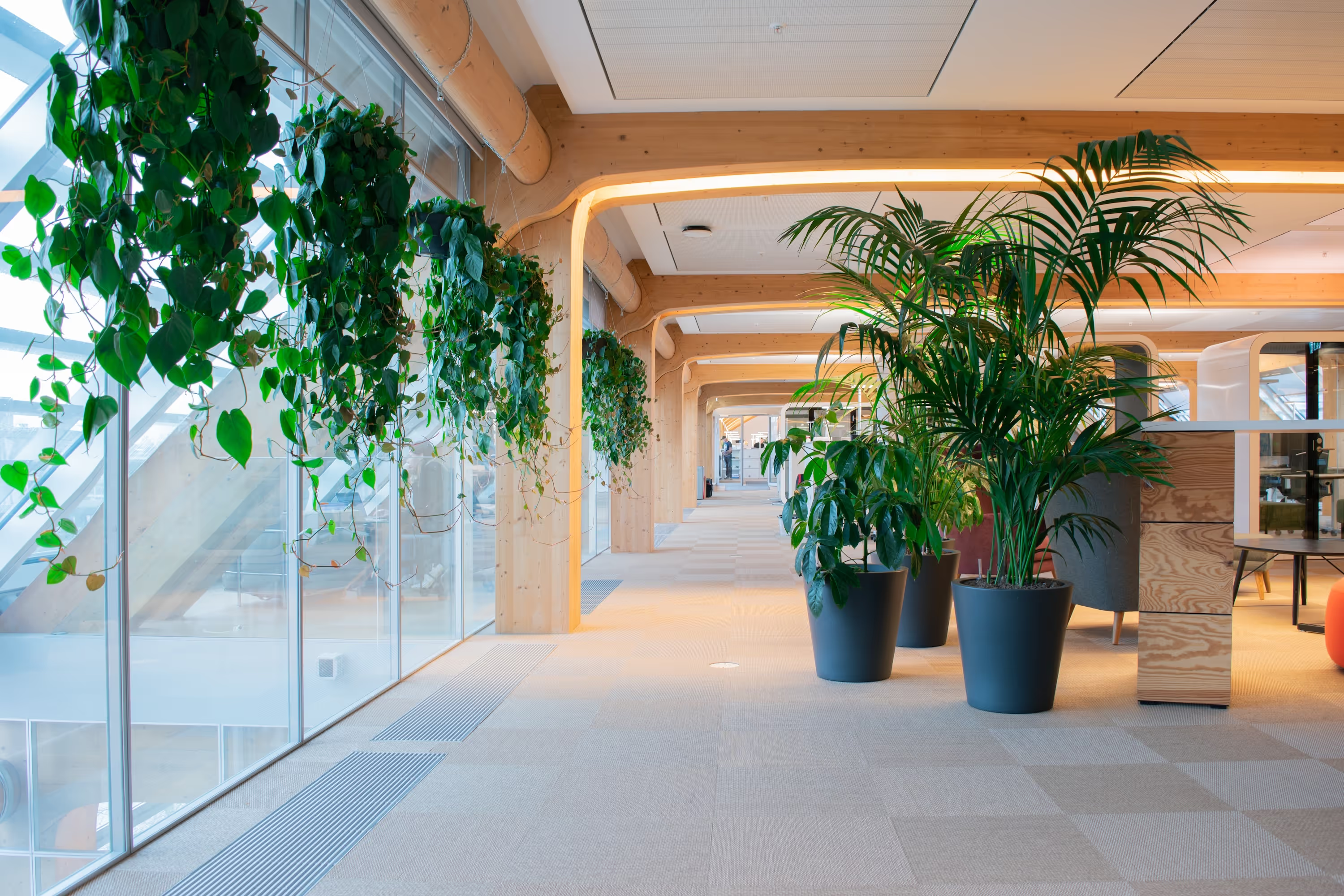
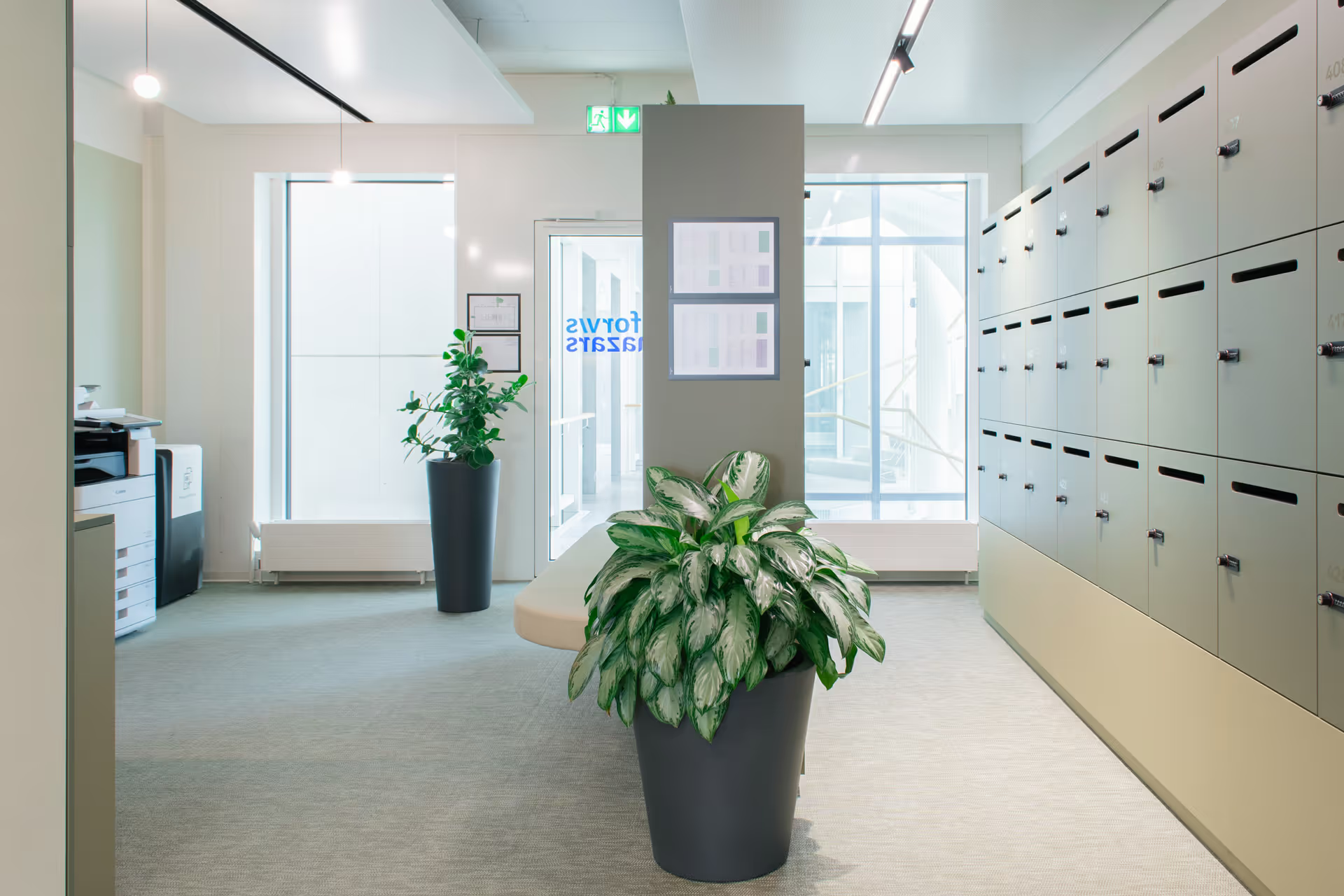
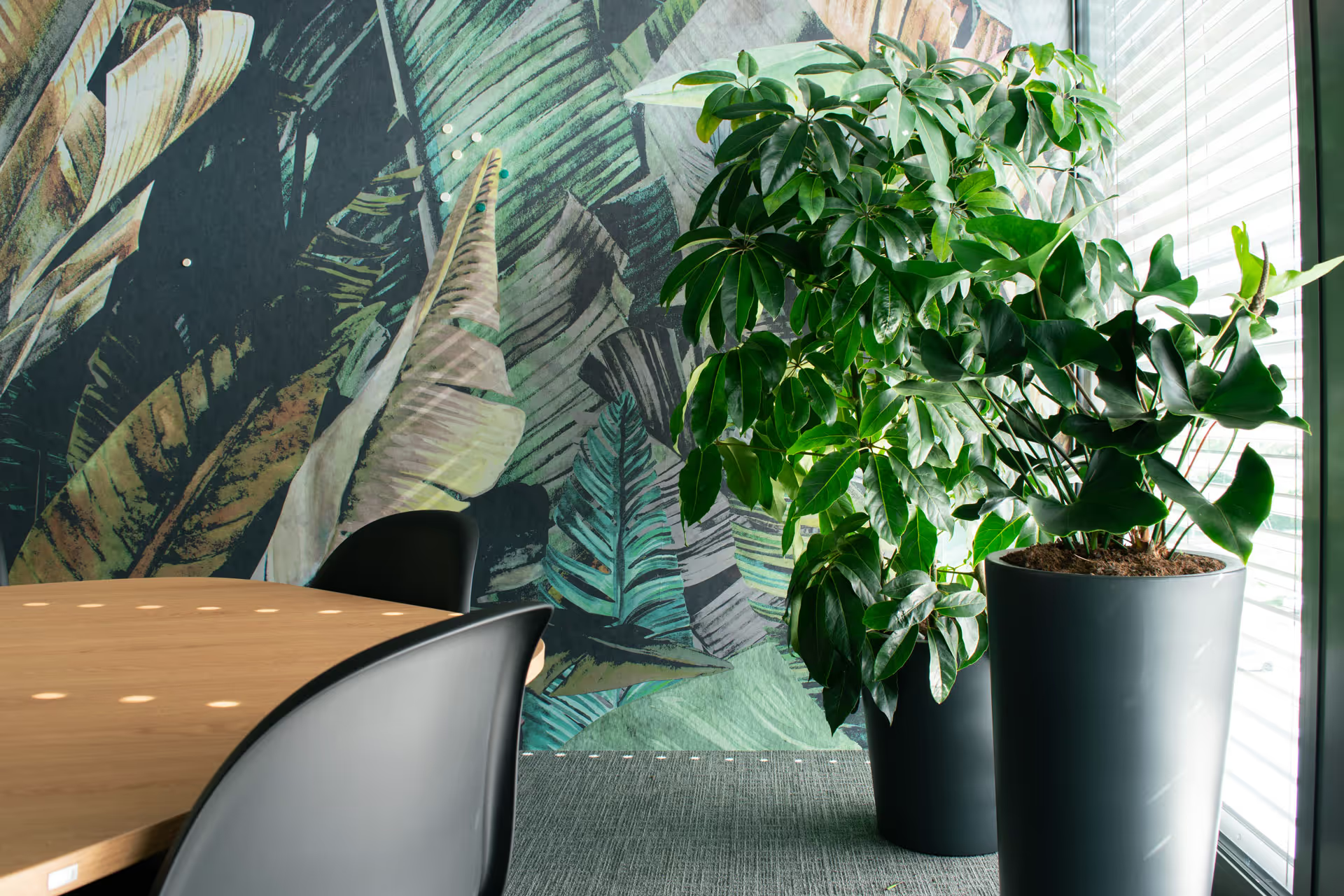
Yes, the Kentia Palm is well known for its tolerance of lower-light conditions. Its natural habitat includes shaded forest areas, which makes it adaptable to offices without direct sunlight.
In indoor settings, the Kentia Palm typically reaches around two to three metres over many years. Its slow growth makes it ideal for long-term interior landscaping without sudden changes in size.
No, this species does not produce flowers in typical indoor environments. This makes it a popular choice for offices where pollen reduction is preferred.
The species grows slowly, averaging around 20 cm per year. This slow, steady pace contributes to its stable form and long-lasting elegance.
Yes, its steady evaporation and large leaf surface support a mild improvement in humidity levels. Combined with its robust foliage, it contributes to a balanced and pleasant indoor atmosphere.