Learn more

Learn more
Learn more
3 Plants for Dark Offices: Expert Selection and Care Tips

-2.jpg)
Which plants actually thrive in dark office spaces?
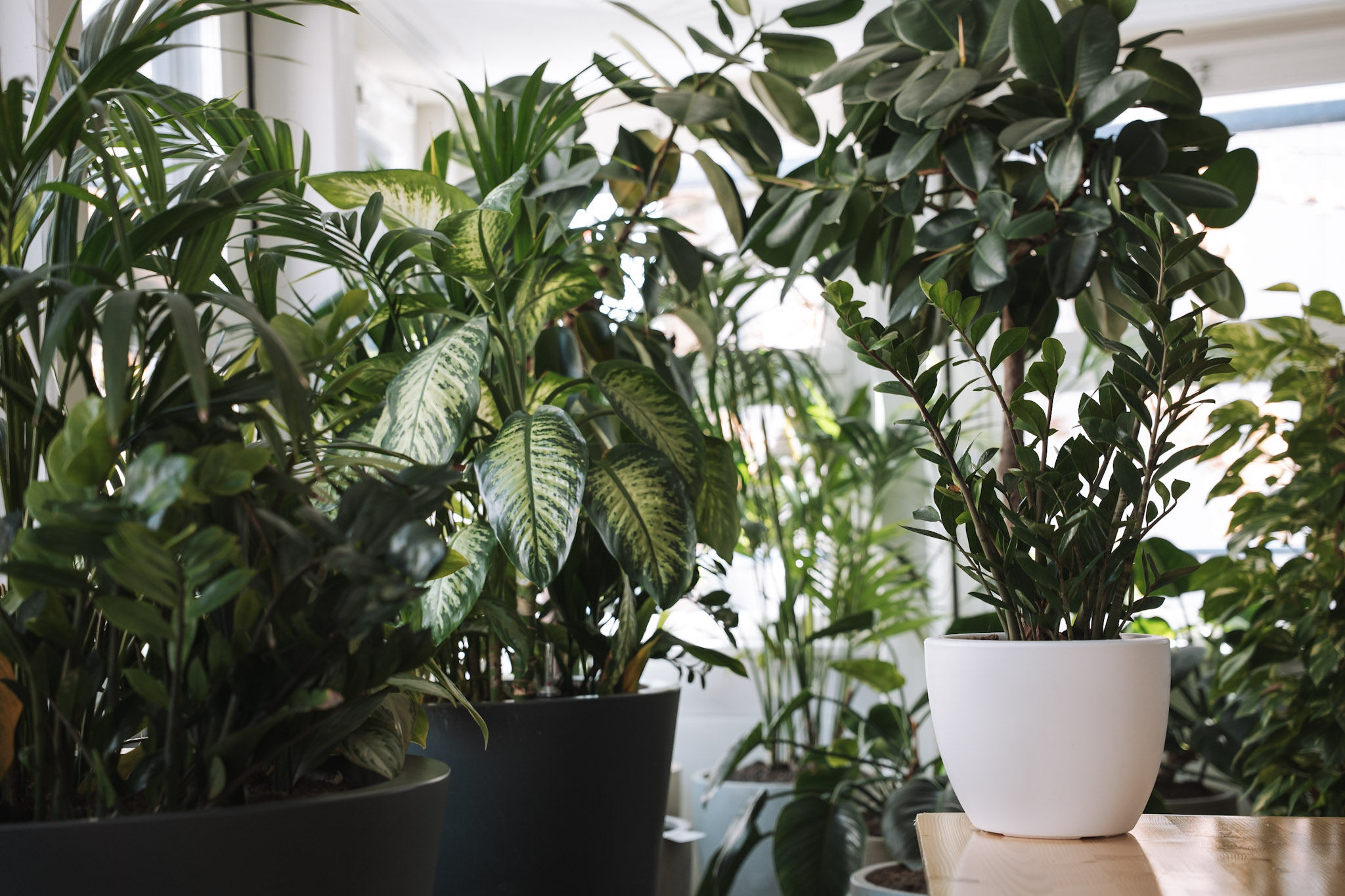
The best choices are the Zamioculcas zamiifolia, the Aglaonema 'Miss Juliette' and the Aspidistra elatior. They are ideal for offices without bright, sunlit corners. Our Greenery Specialist Silvan breaks down what actually makes a room "dark," then shares his top three picks that flourish with minimal light, along with the care and know-how that keeps them healthy.
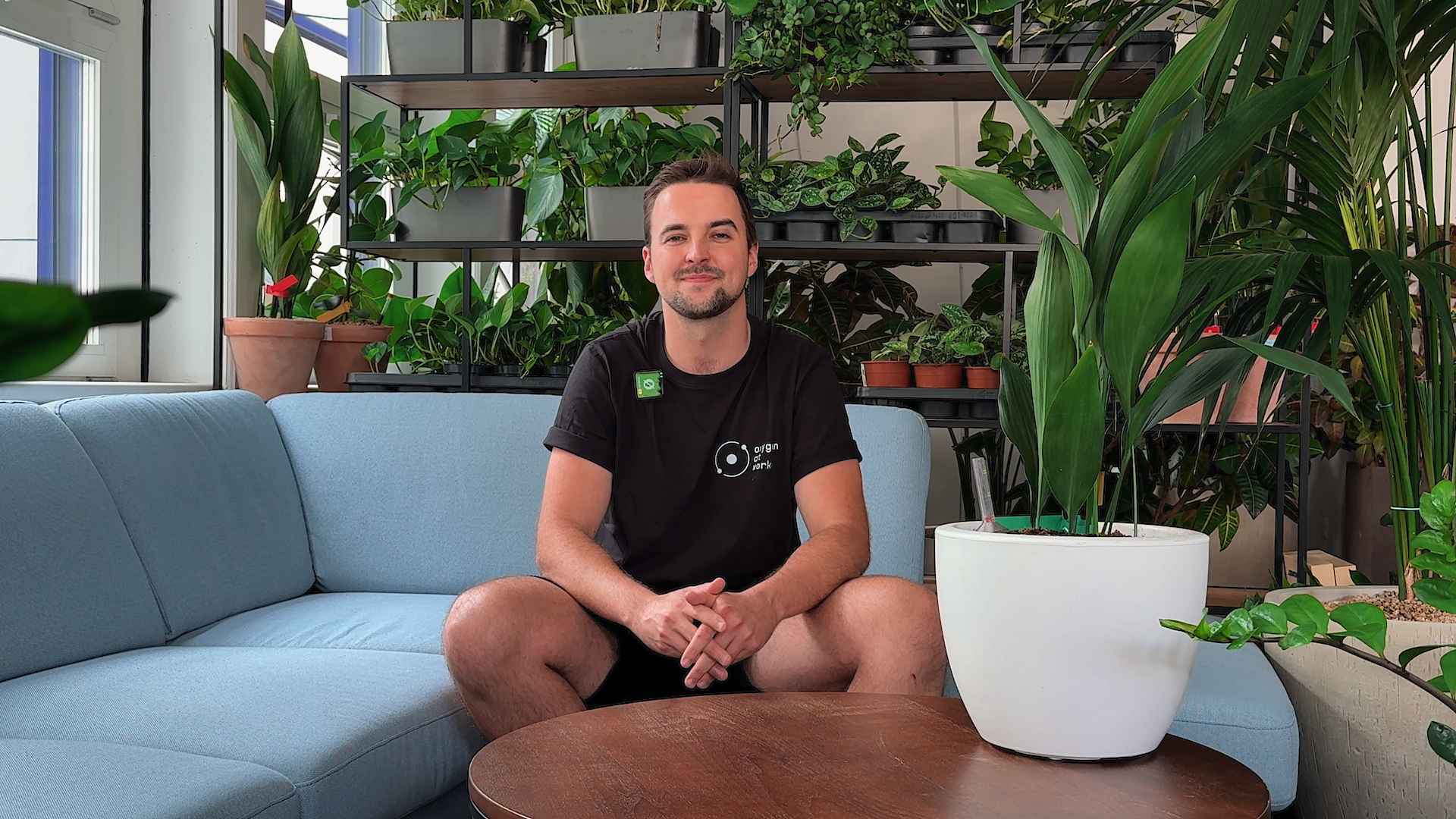
Silvan's Expert Tips: Bringing Life to Dark Offices
When exactly is a room considered dark?
That depends on three important factors.
Firstly, how big are the windows? Secondly, which direction do the windows face? Thirdly, can direct sunlight even enter the room, or are there buildings or tall trees outside blocking the light? If several of these factors apply to your office, the room is more likely to be considered dark.
In this article, I'm going to introduce my top three plants that thrive even in dark rooms and explain what you need to keep in mind when caring for them.
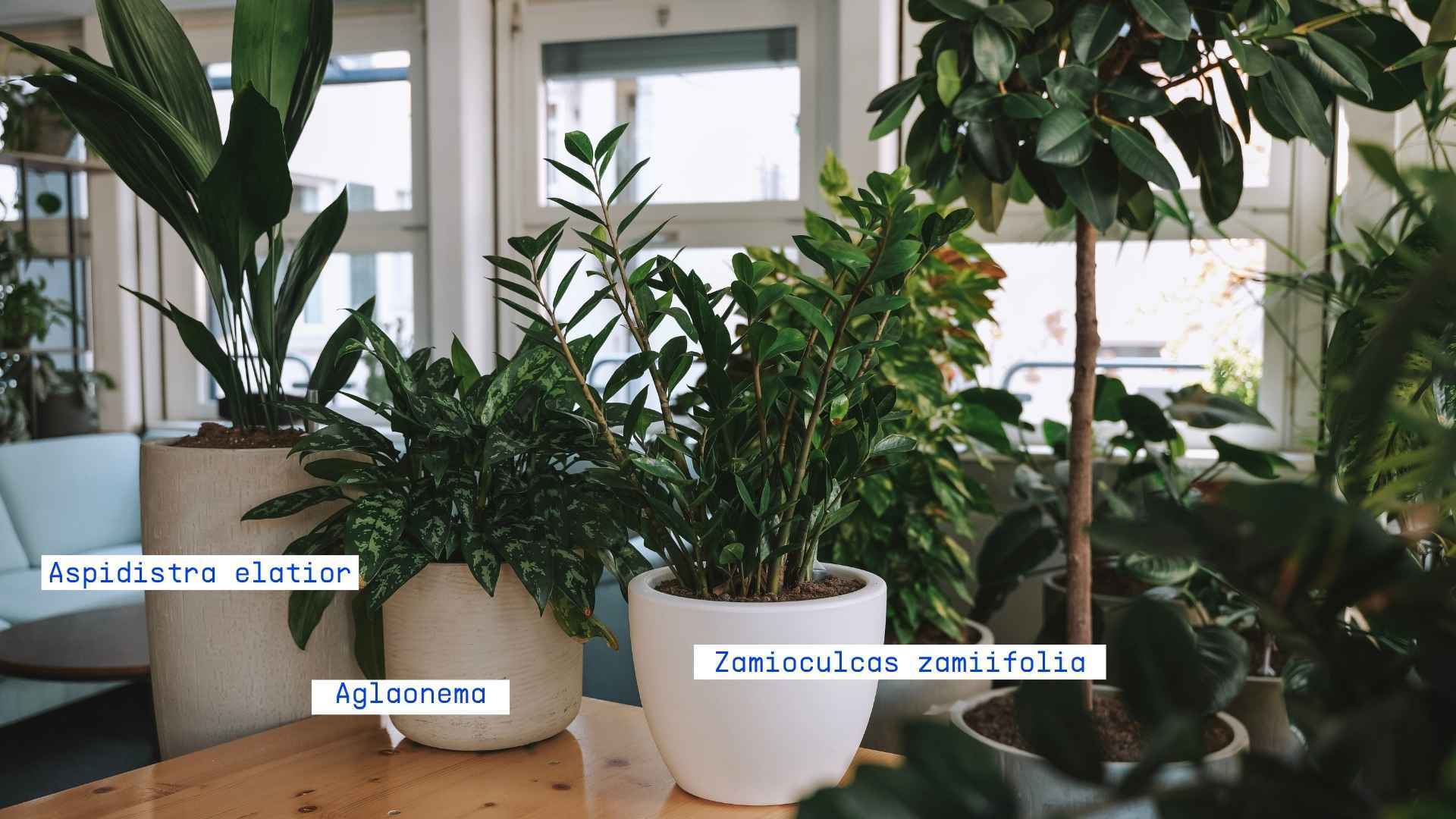
Zamioculcas zamiifolia
The first plant is the Zamioculcas zamiifolia also known as the Zanzibar gem and belongs to the arum family (Araceae). It grows to a height of between 80 and 100 cm. An interesting fact is, that the brighter the light it receives, the lighter its leaves become, and the darker the light, the darker they get. When it comes to taking care of the plant, I always say “less is more,” because it thrives on very little, and we usually use it in arrangements and as a sideboard plant.
Read more about the Zamioculcas zmaiifolia here.
Aglaonema «Miss Juliette»
The second plant is the Aglaonema ‘Miss Juliette,’ which also belongs to the arum family, or Araceae. It grows to a maximum height of 60 cm and is considered very easy to care for because it thrives in dark rooms. We mainly use it as a sideboard plant and in display arrangements.
Read more about the Aglaonema here.
Aspidistra elatior
The third plant goes by many names, including cast iron plant and bar room plant; its botanical name is Aspidistra elatior. It belongs to the asparagus family (Asparagaceae). This plant grows to a height of between 80 and 100 cm, yet grows extremely slowly. It has the advantage that it rarely needs to be repotted and thrives very well even in dark office spaces. We mainly use it in tall pots, sideboards, and also in display units.
Read more about the Aspidistra elatior here.
What else should you know about these plants?
As a Greenery Specialist, I have a lot of experience with plants that are suitable for dark office spaces, so here are three interesting facts I would love to share on the topic.
Number one: Plants that thrive in dimly lit offices have the big advantage of requiring very little water. So be careful not to overwater them in order to prevent root rot.
Number two: To help plants thrive even in the dark, you should dust them regularly. The best way to do it, is to use a damp cloth and wipe down each leaf individually. Another way would be to regularly spray them with water.
Number three: Even with little light, these plants convert all CO₂ into oxygen. The snake plant, for example, does this even at night. That’s why the plant is particularly well-suited for offices where people work in the evening.
No light, no problem!
A dark office is no longer an excuse for a lifeless work environment. With these three plants, you too can add some greenery to your space and breathe new life into your office.
Curious to hear Silvan explain it himself? Watch the video below:
Silvan is a Greenery Specialist and Design Lead at Oxygen at Work. With more than 5 years of experience he knows approximately 150 plant species and which of those are suitable for dark office spaces and how to take care of them.
.jpg)
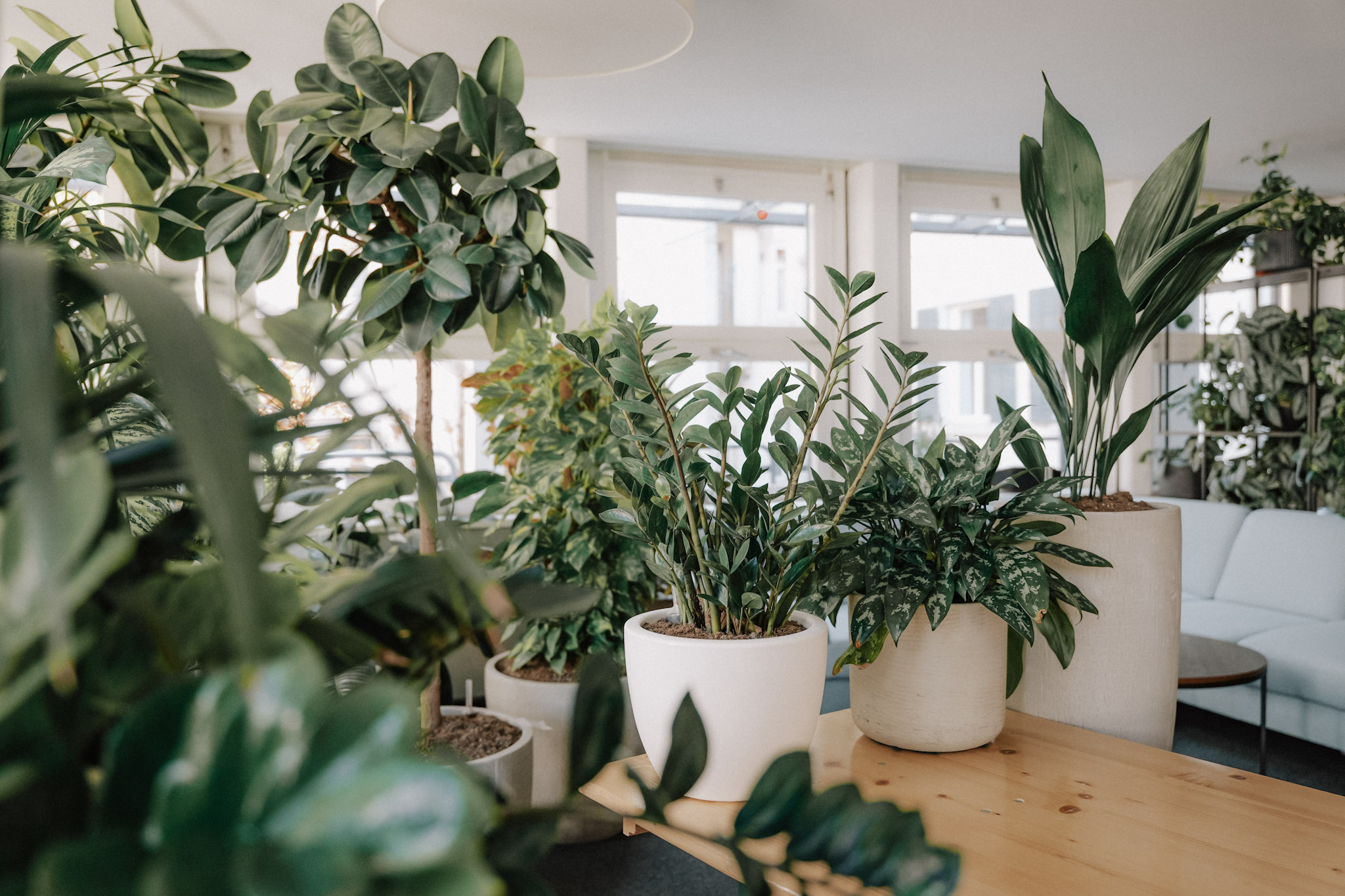
Zamioculcas zamiifolia, Aglaonema and the Aspidistra elatior are among the hardier species for locations with little daylight. However, they, too, need light and should not be kept in complete darkness for extended periods.
Key factors to consider include the size of the windows and the direction they face. Buildings and tall trees nearby can also significantly reduce the amount of light entering the room.
Without sufficient natural or artificial light, no houseplant can remain healthy in the long term. For rooms without windows, therefore, a suitable plant light should be included in the plan.
There is no set weekly schedule for this. Since plants grow more slowly in low light, they often need less water. Check the soil before each watering and avoid letting it become waterlogged.
A layer of dust can further block the already scarce light. A soft, damp cloth is sufficient. Leaf shine products are not necessary.
The Zamioculcas zamiifolia and more compact Aglaonema varieties are well-suited for sideboards. For tall containers and larger surfaces, the Aspidistra elatior is a suitable alternative.