Learn more

Learn more
Learn more
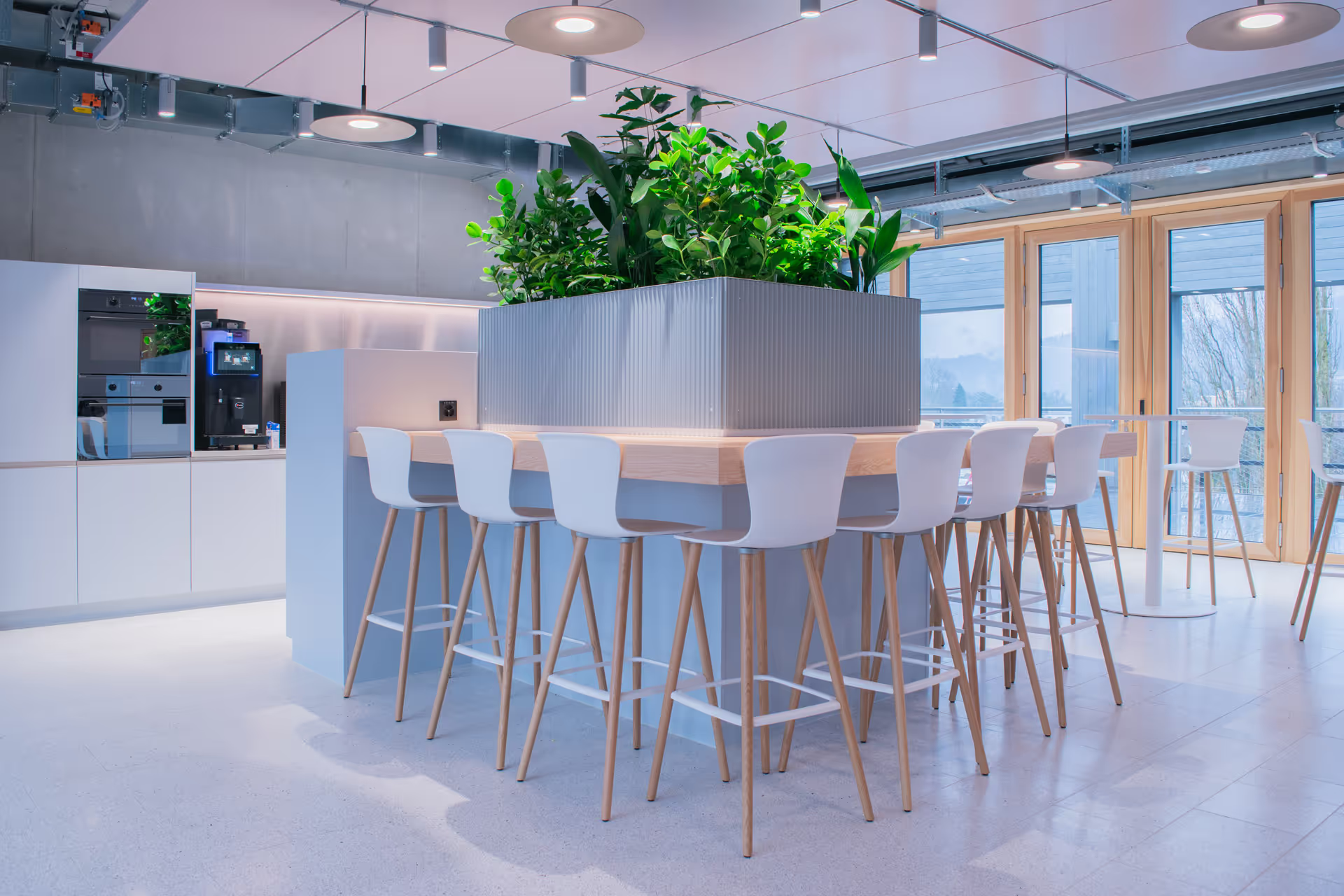
Furniture-Integrated Plants
Furniture that keeps growing
Furniture-integrated plants are never an afterthought. They are planned into the furniture concept from the outset and built in as a permanent part of the piece. The result reads as a room where nature and furniture were imagined together from the very first sketch.
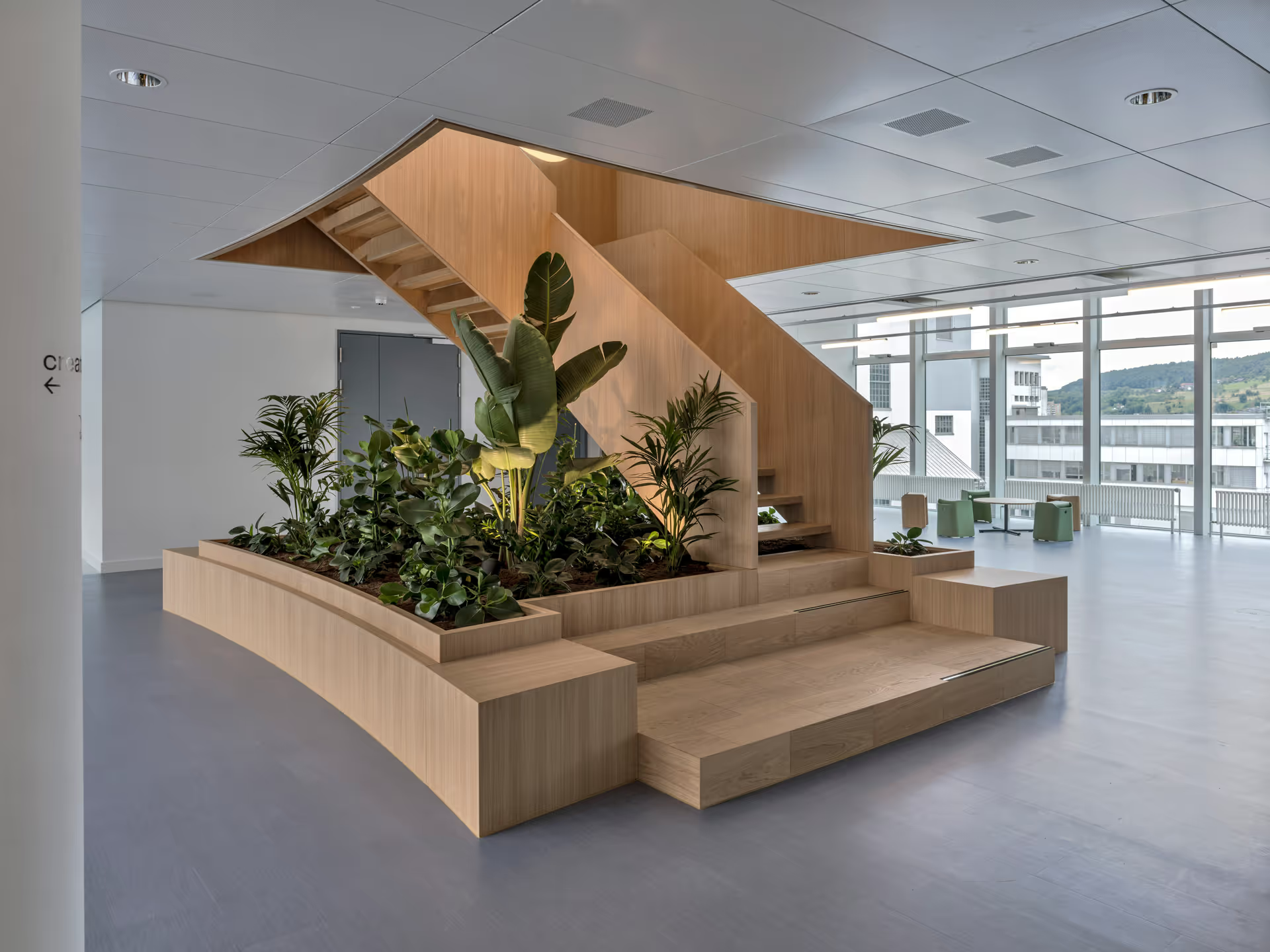
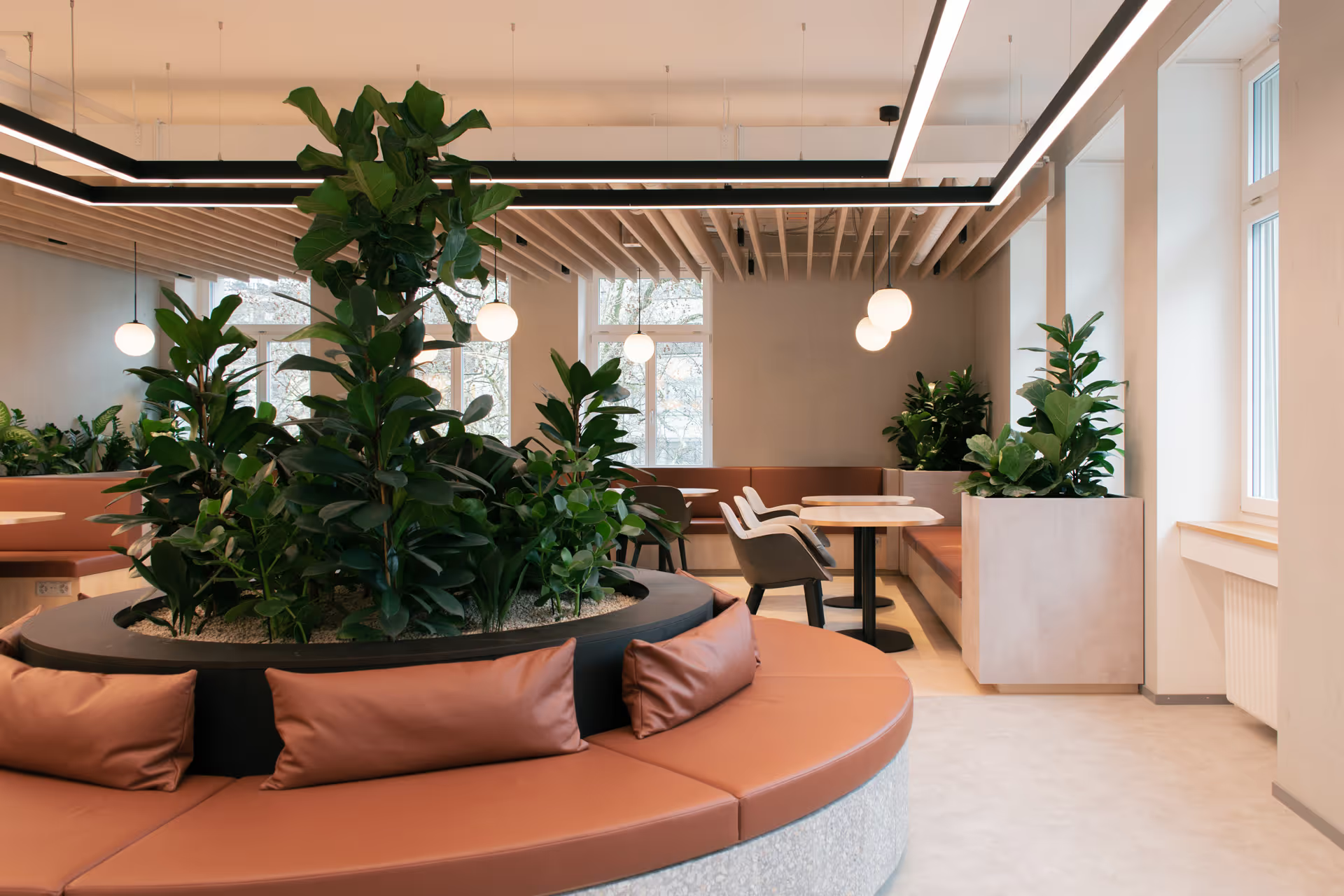
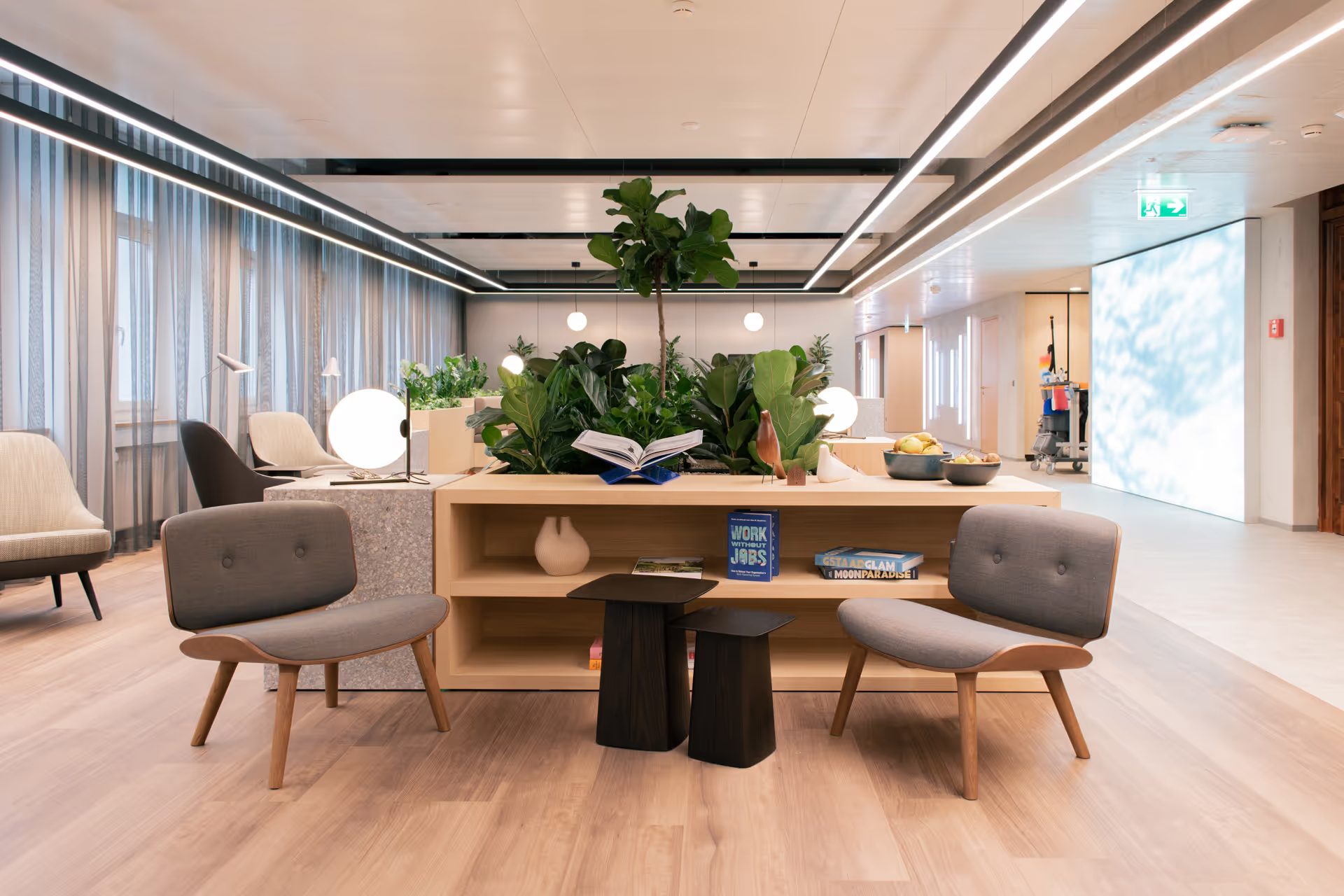
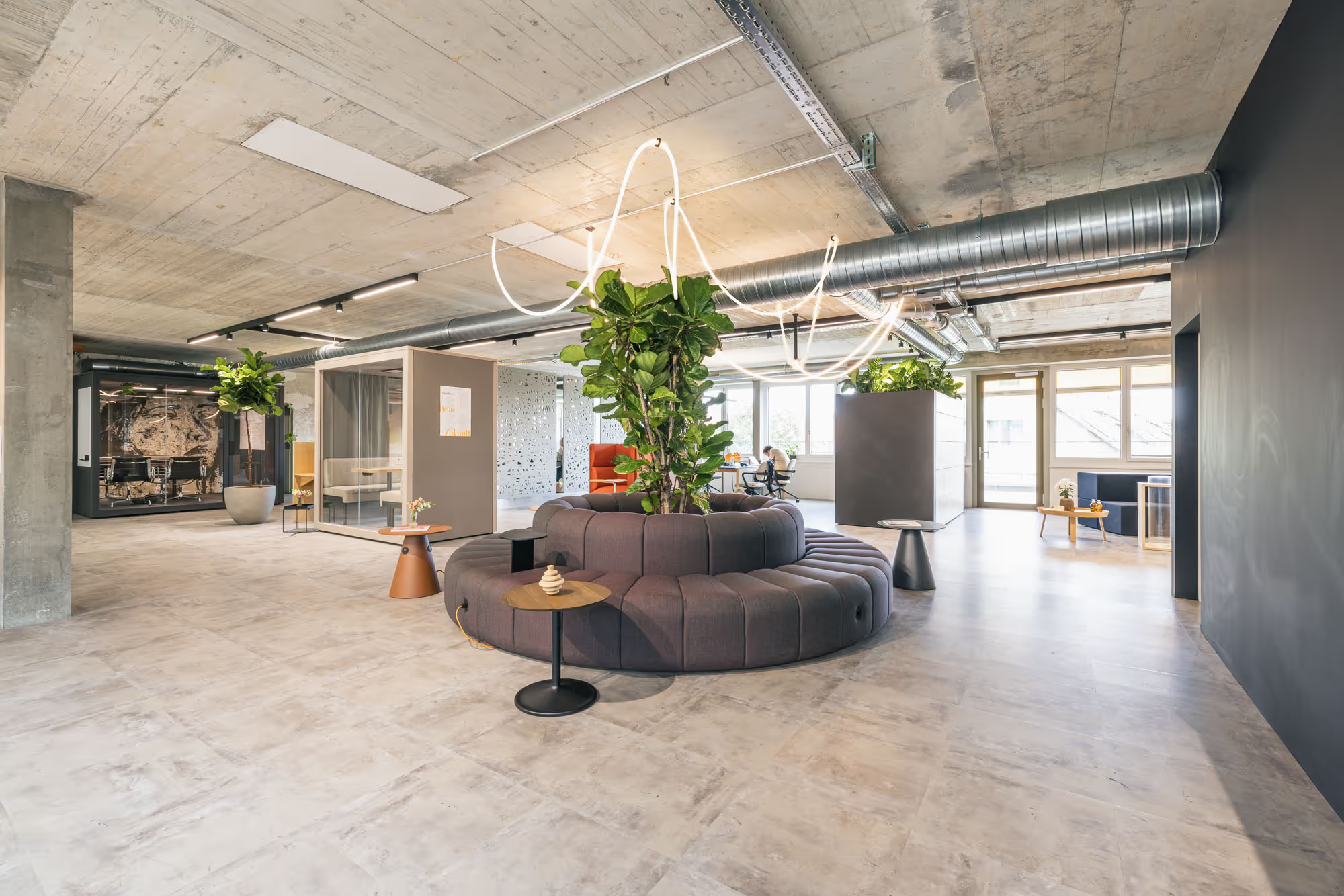
Application of the greening element
A staircase can carry a planting bed that grows straight out of the wooden steps. The same thinking works for a round seating island, where greenery rises from its centre instead of standing beside it, or for a sideboard whose top edge becomes the planting strip itself. Furniture-integrated plants are the most permanent form of office greenery, because the planting is considered from the very start as a fixed part of the furniture concept. We work closely with interior architects and furniture manufacturers to develop planters that are created together with the piece of furniture itself.
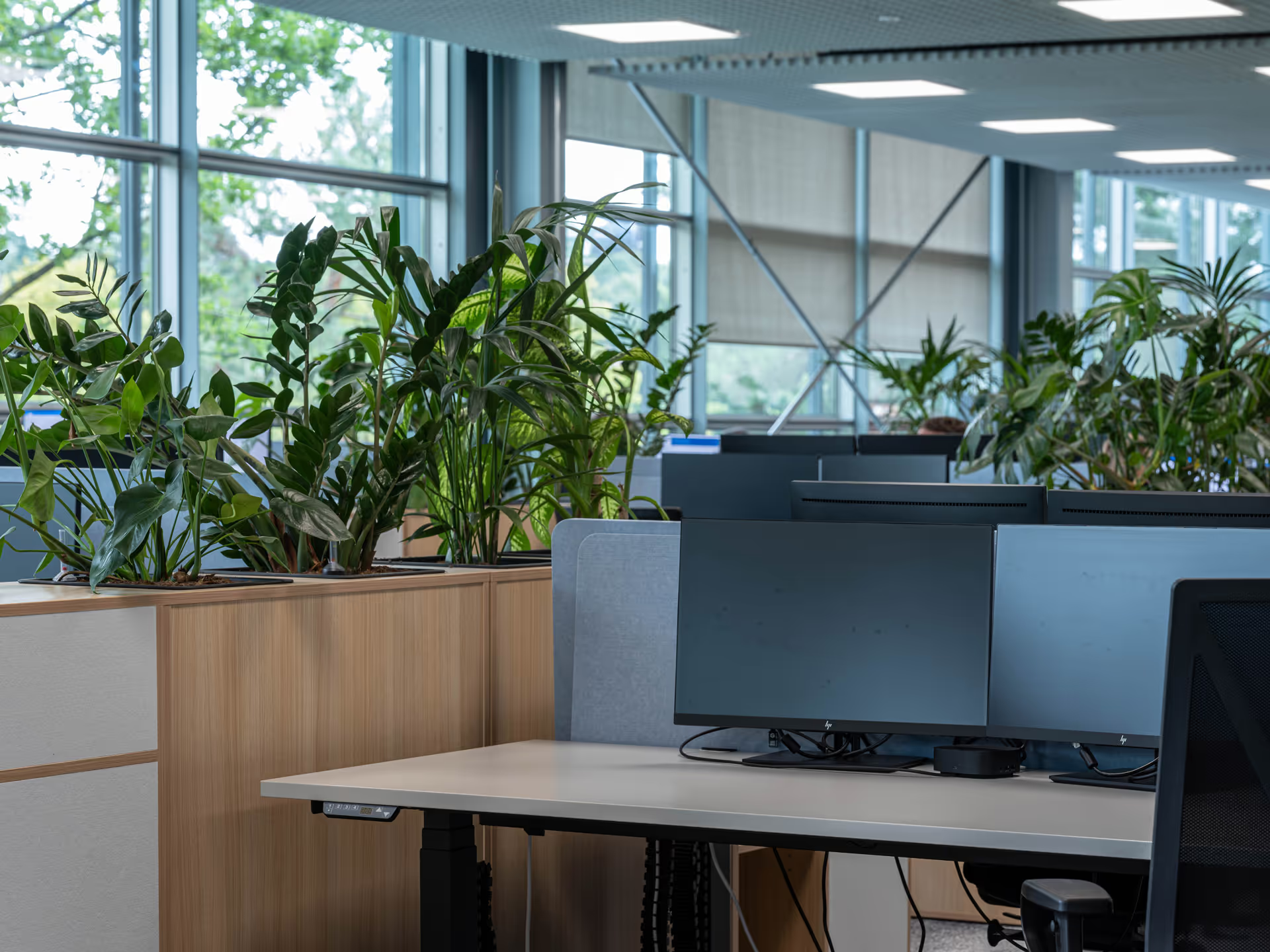
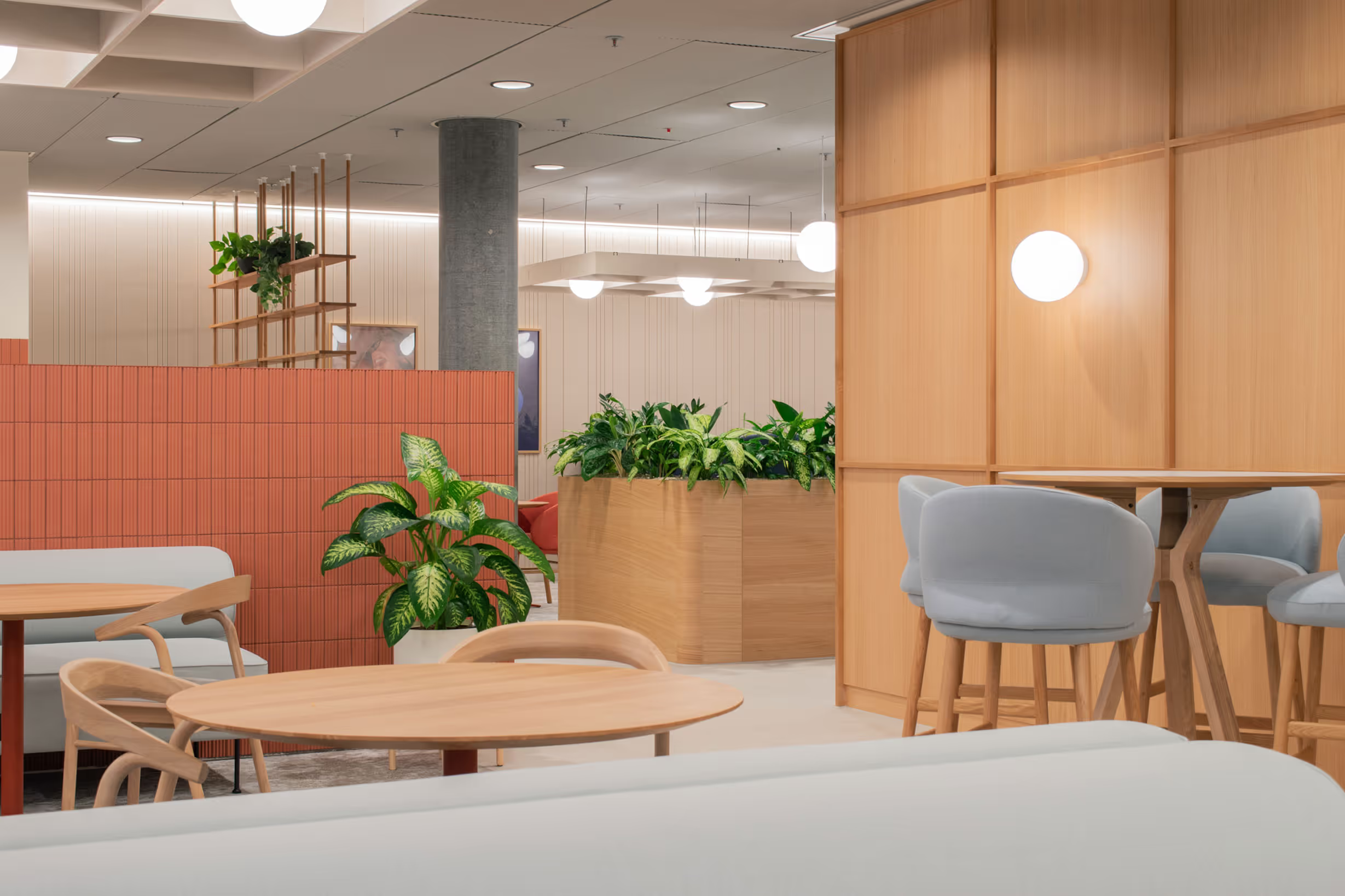
In many cases, yes. Existing furniture can often be retrofitted with integrated planters. We assess this together with you and develop a solution that fits in seamlessly.
Compact species with moderate growth and low water needs work best, plants such as Scindapsus, Peperomia, Sansevieria or Zamioculcas. The final choice depends on light conditions and the size of the vessel.
We plan the irrigation system together with the planter itself. Integrated water reservoirs or automated systems prevent waterlogging and protect the furniture from moisture.
Yes. We are used to being involved early in the planning process. The earlier plant integration is considered, the more seamless the result.
No. We take care of all maintenance, regardless of how the plants are integrated. Accessibility and maintenance needs are considered already at the planning stage.