Learn more

Learn more
Learn more
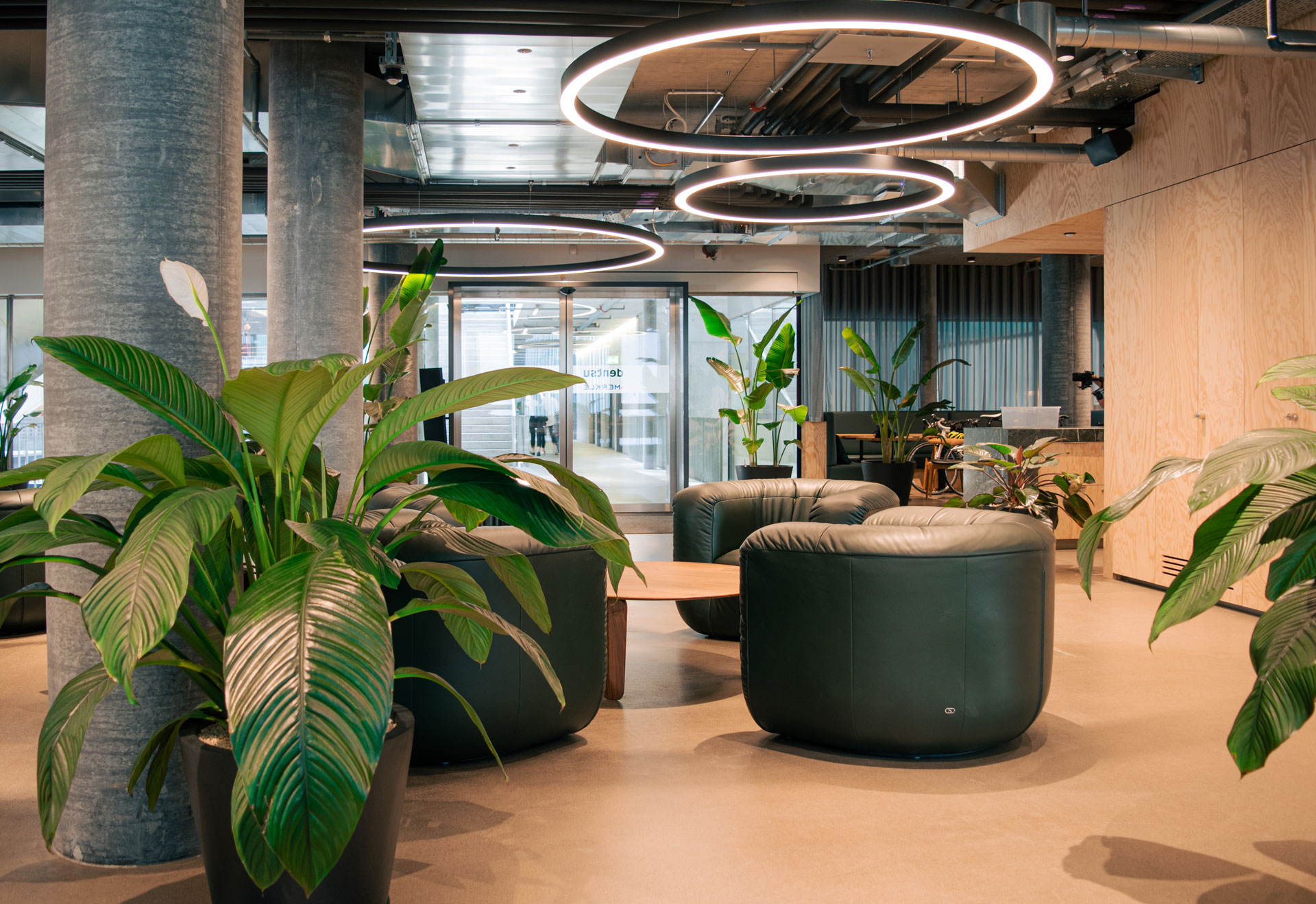
Large Potted Plants
Spaces you feel before you fully enter them
Large plants pick up where the architecture stops. A Ficus lyrata beside reception, a Kentia palm anchoring the lounge. They organise the space, direct the eye toward something worth looking at, and quietly improve the air through transpiration the building's mechanical systems cannot replicate.
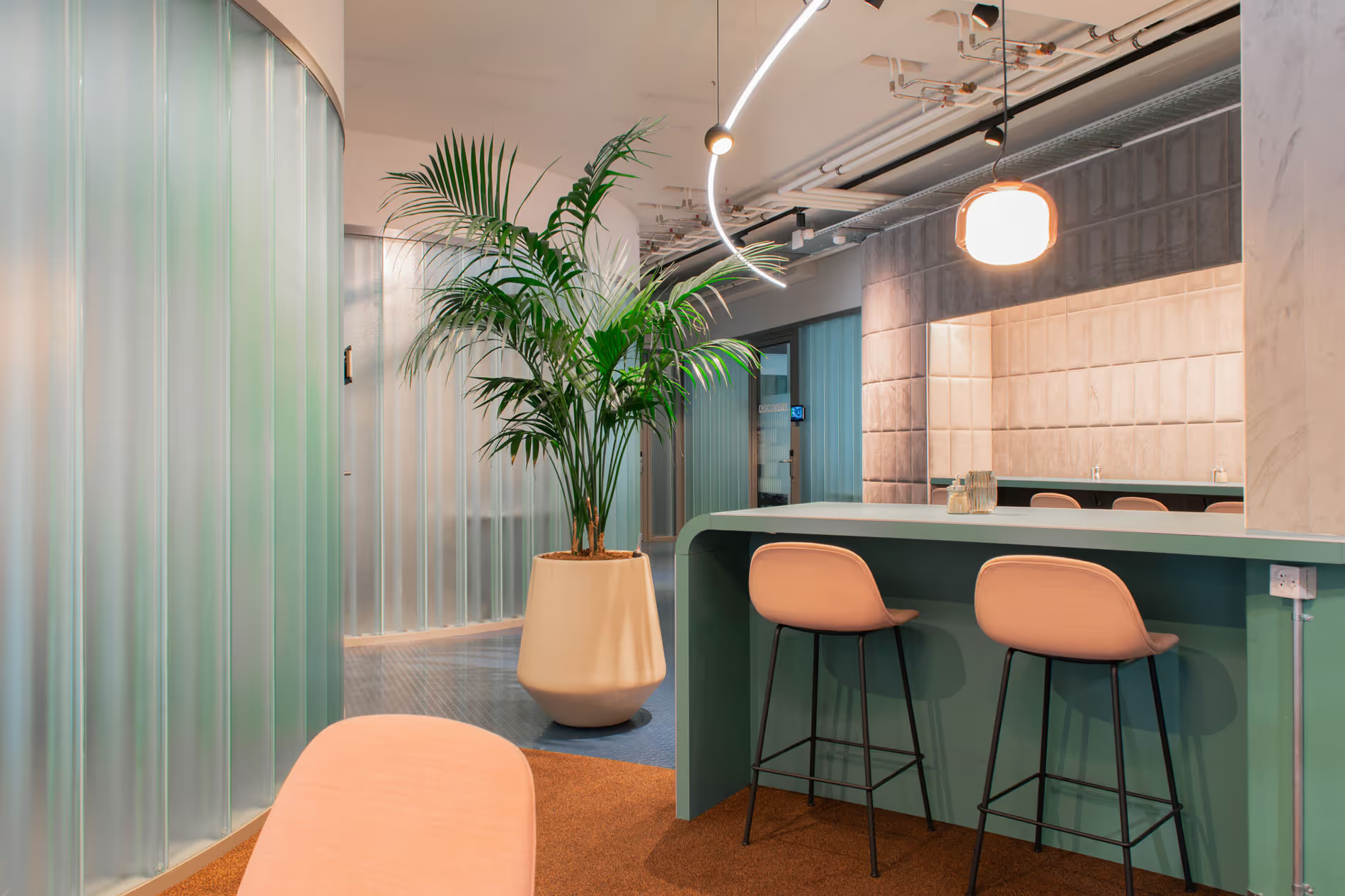
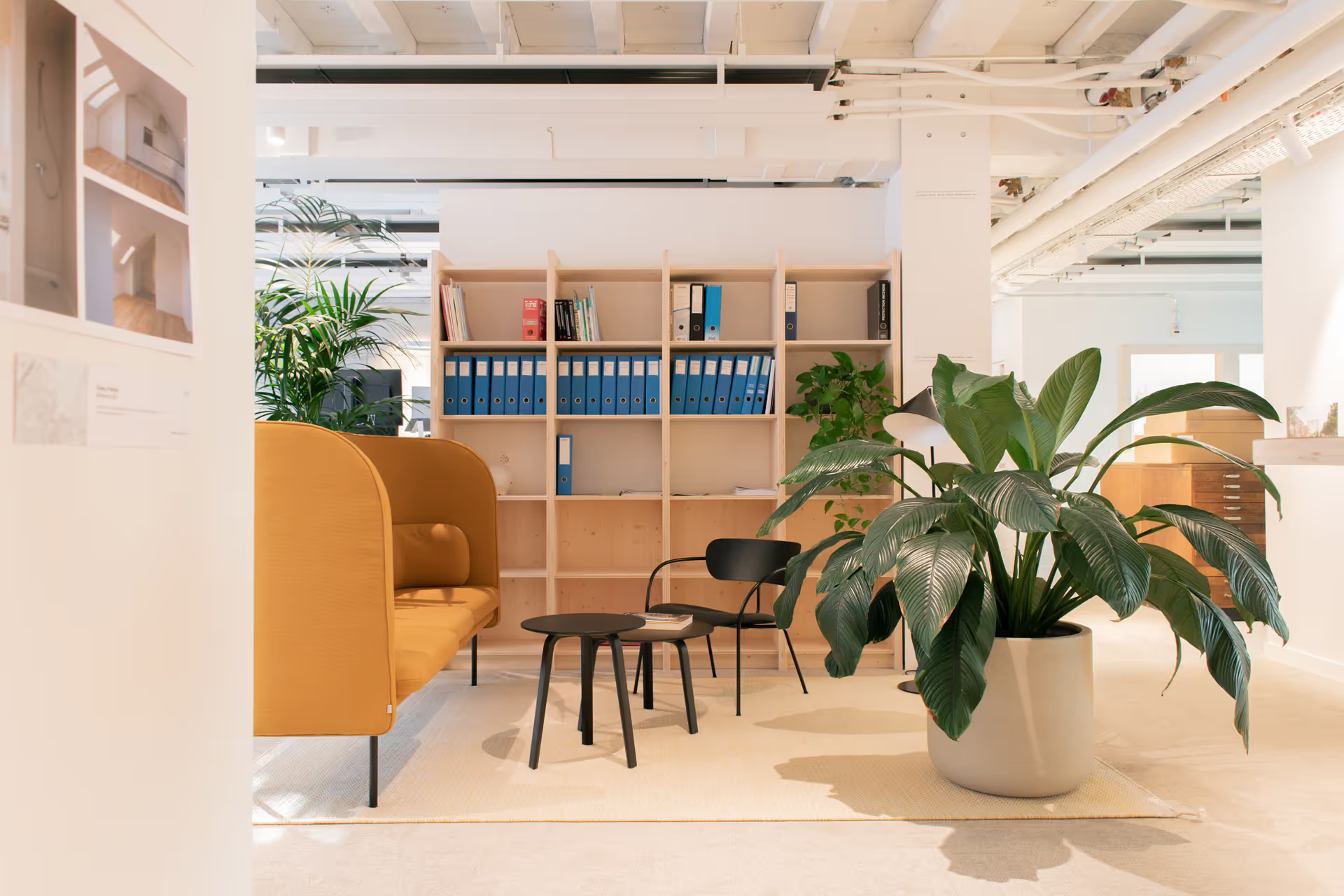
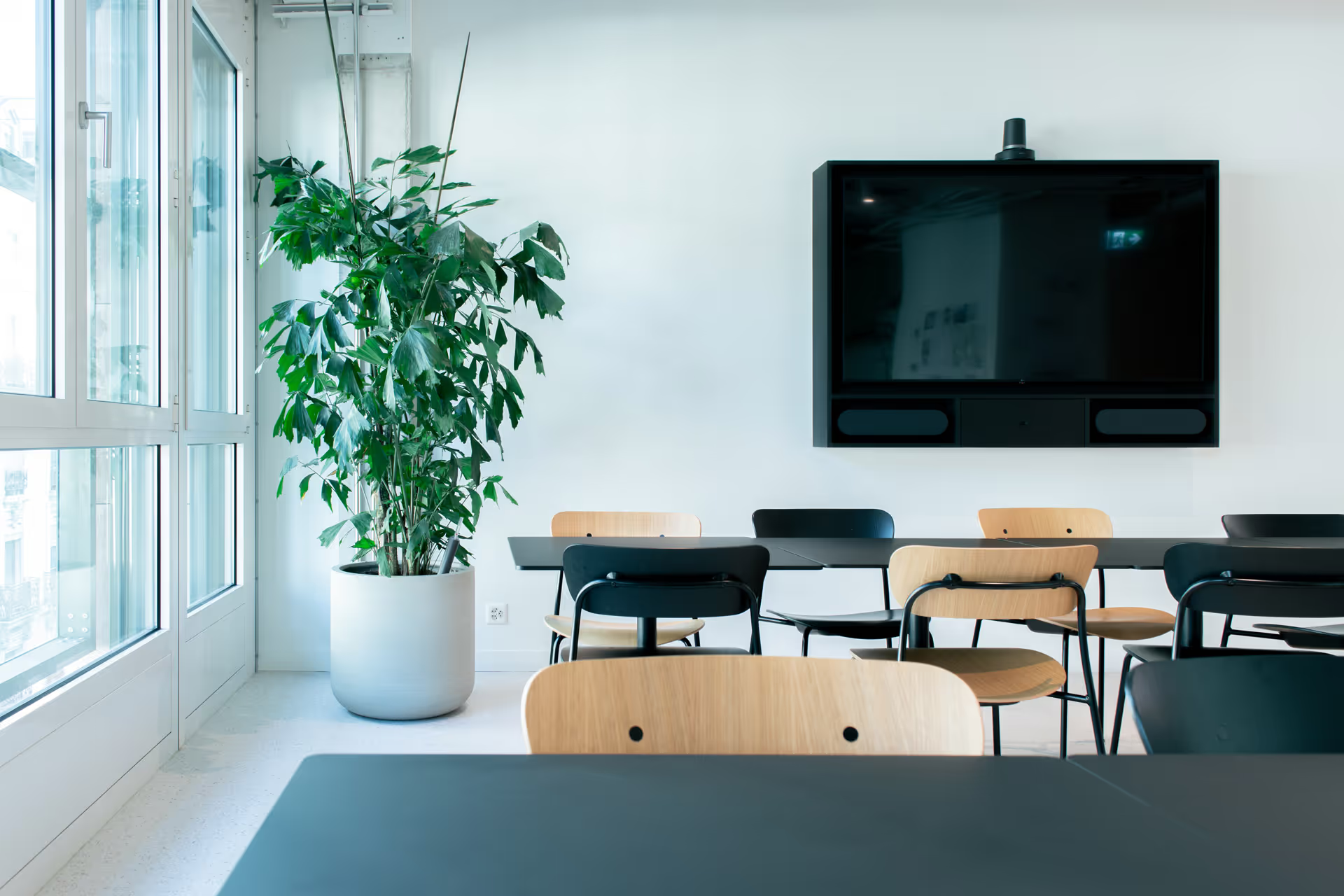
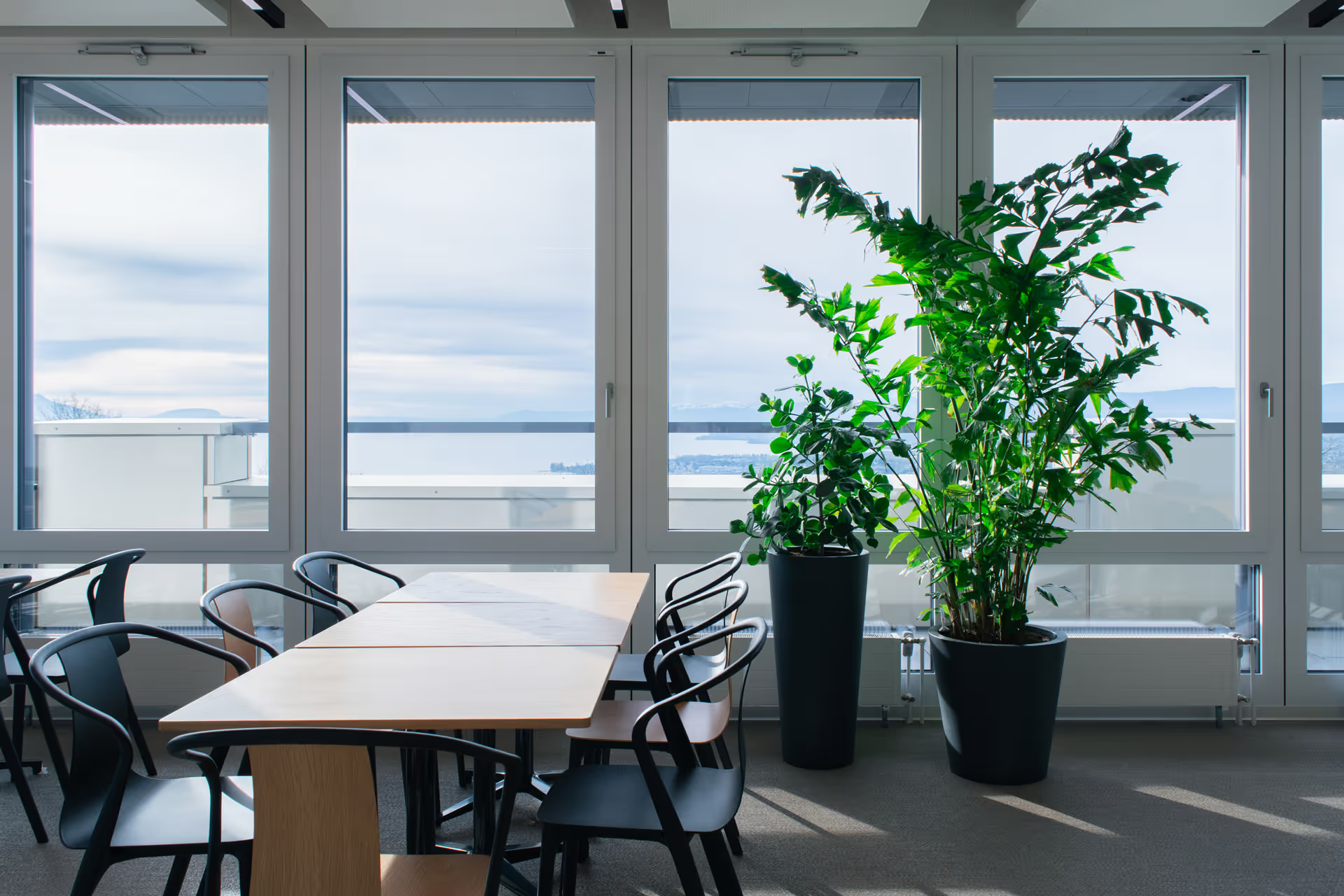
Application of the greening element
The impact of a large plant has surprisingly little to do with sheer volume. It comes from placement. A single Strelitzia nicolai next to a staircase changes the way the entire room is read by anyone walking through it. An Areca palm in an atrium absorbs sound, lifts humidity and quietly draws a natural axis of calm across an otherwise open floor plan.
We place large plants in the spots where they earn their footprint. In reception, where they become the first impression. In entrance halls, where they define the volume of the space. In the corners of an open-plan floor, where they hold the eye long enough for the rest of the room to organise itself around them. The effect shows up in CO₂ levels, in humidity readings, and in the more difficult-to-measure way employees come to feel about the space they work in.
Delivery, positioning and ongoing care are all on us. Any plant that stops thriving is replaced before you have a chance to notice it was struggling.
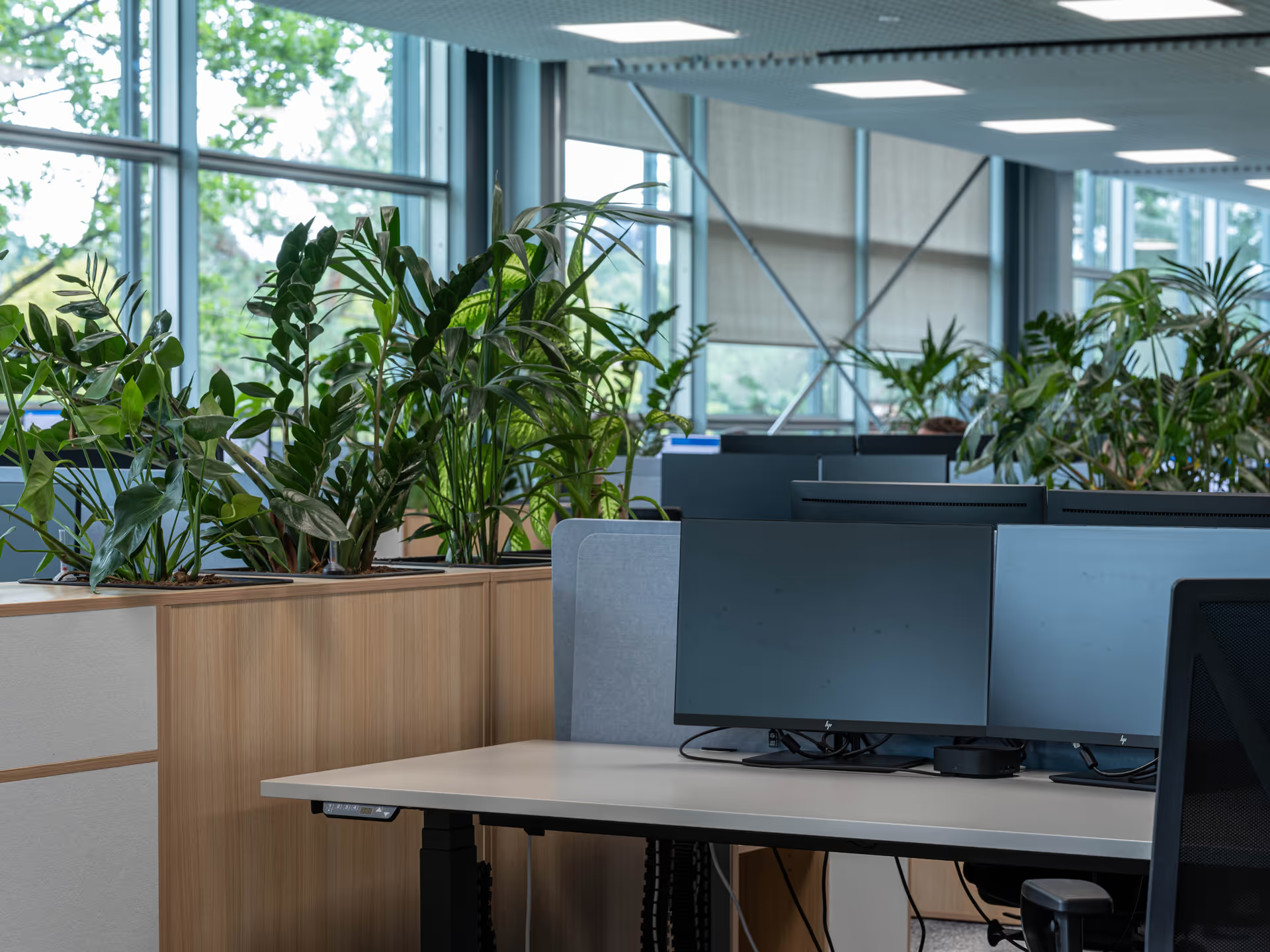
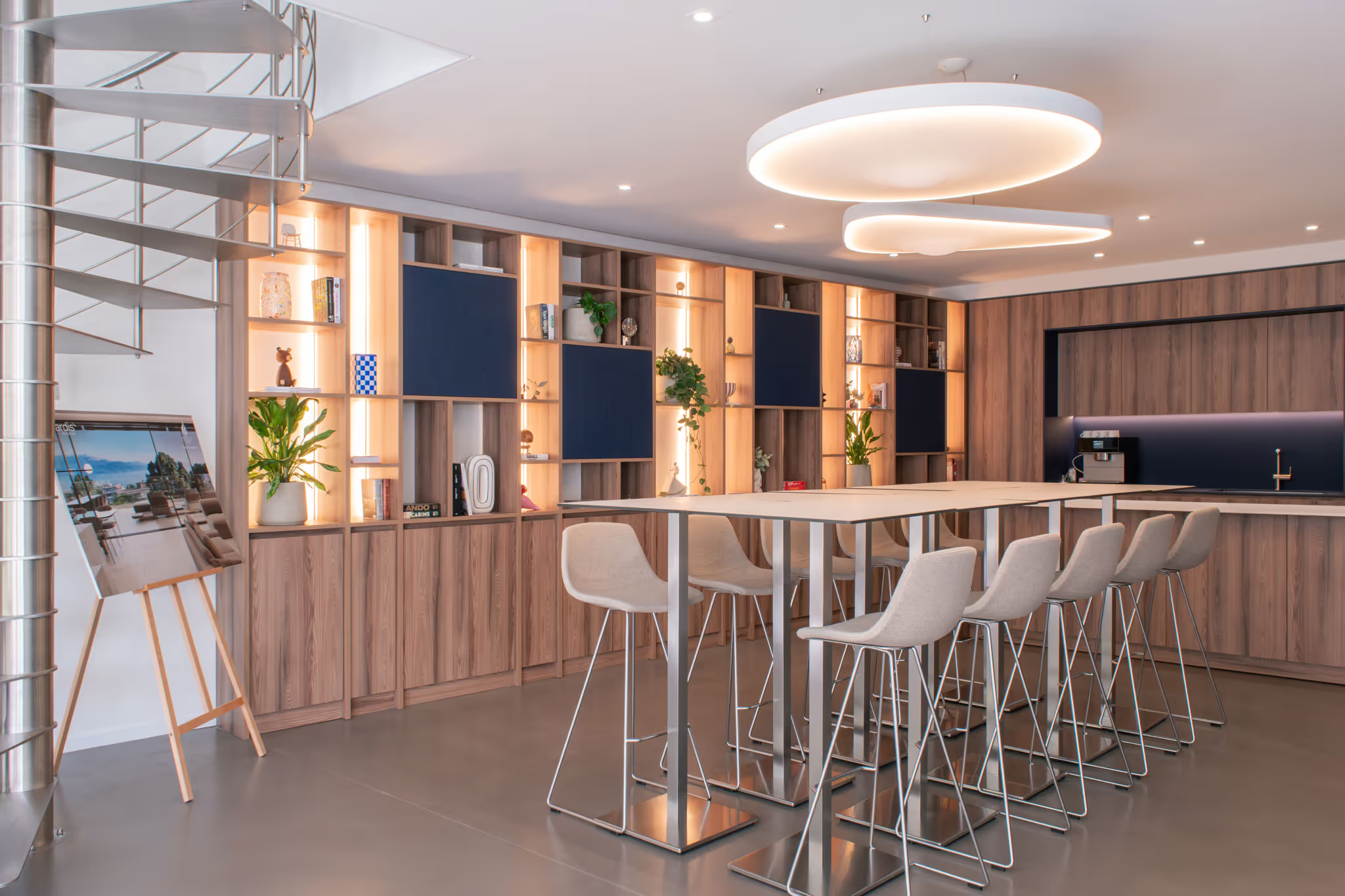
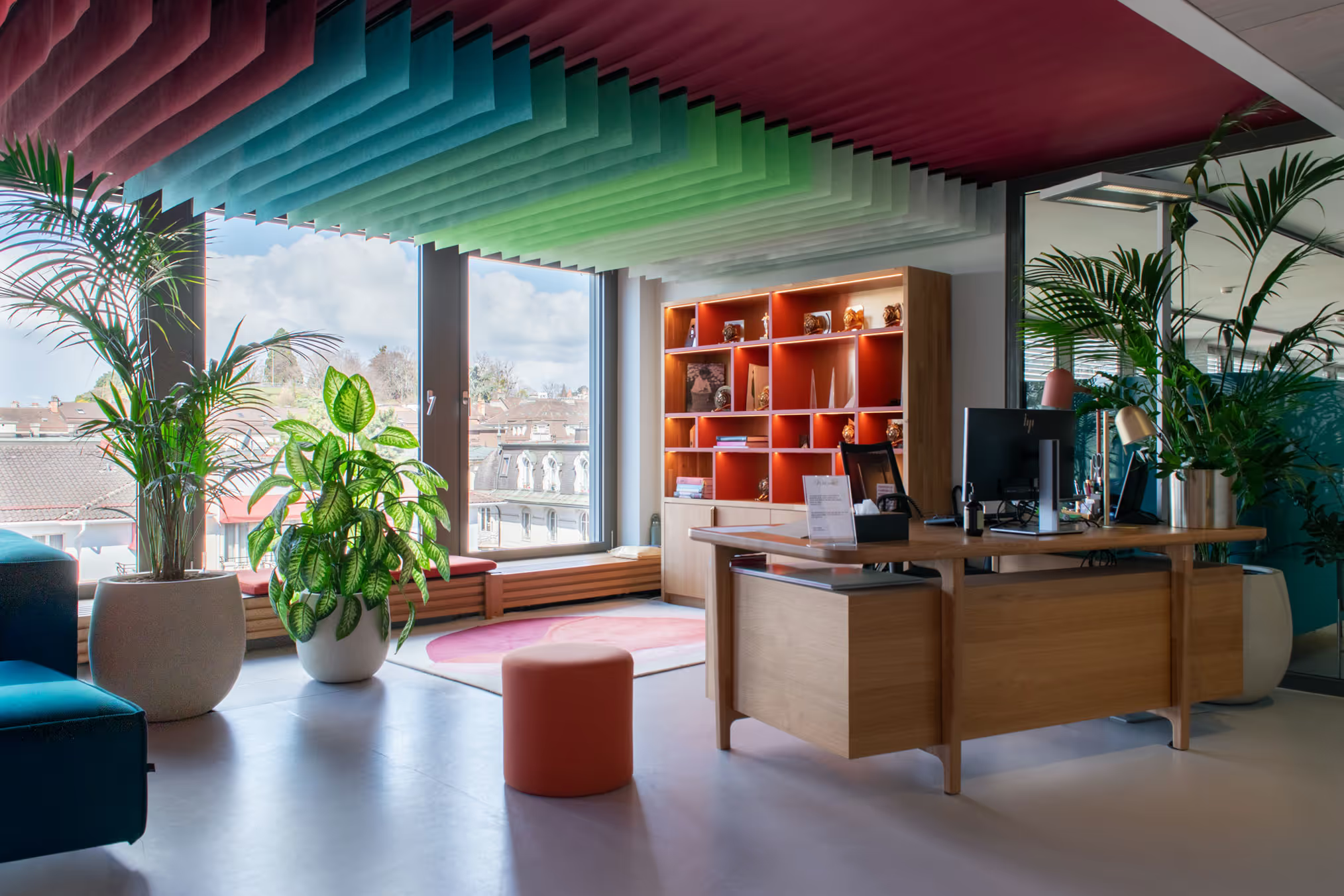
Kentia (Howea forsteriana), Rhapis excelsa and Pleomele reflexa all hold up reliably in semi-shaded to shaded interiors. The final recommendation follows a careful light analysis of your space.
We do. Regular care, fertilising, pruning, all included in the service. Any plant not in condition is replaced at no extra cost. Nothing for you to manage.
Indoors, species like Strelitzia nicolai or Ficus lyrata typically reach two to three metres. We choose the starting size to match your ceiling height and the visual effect the space is reaching for.
Yes. We work exclusively on a rental basis with full service included. No capital outlay for pots, no separate maintenance budget, no surprises down the line.
After the consultation and concept phase, we deliver and position the plants ourselves. Lead time depends on the scope of the project, but in most cases it is a matter of weeks.