Learn more

Learn more
Learn more
Strelitzia reginae
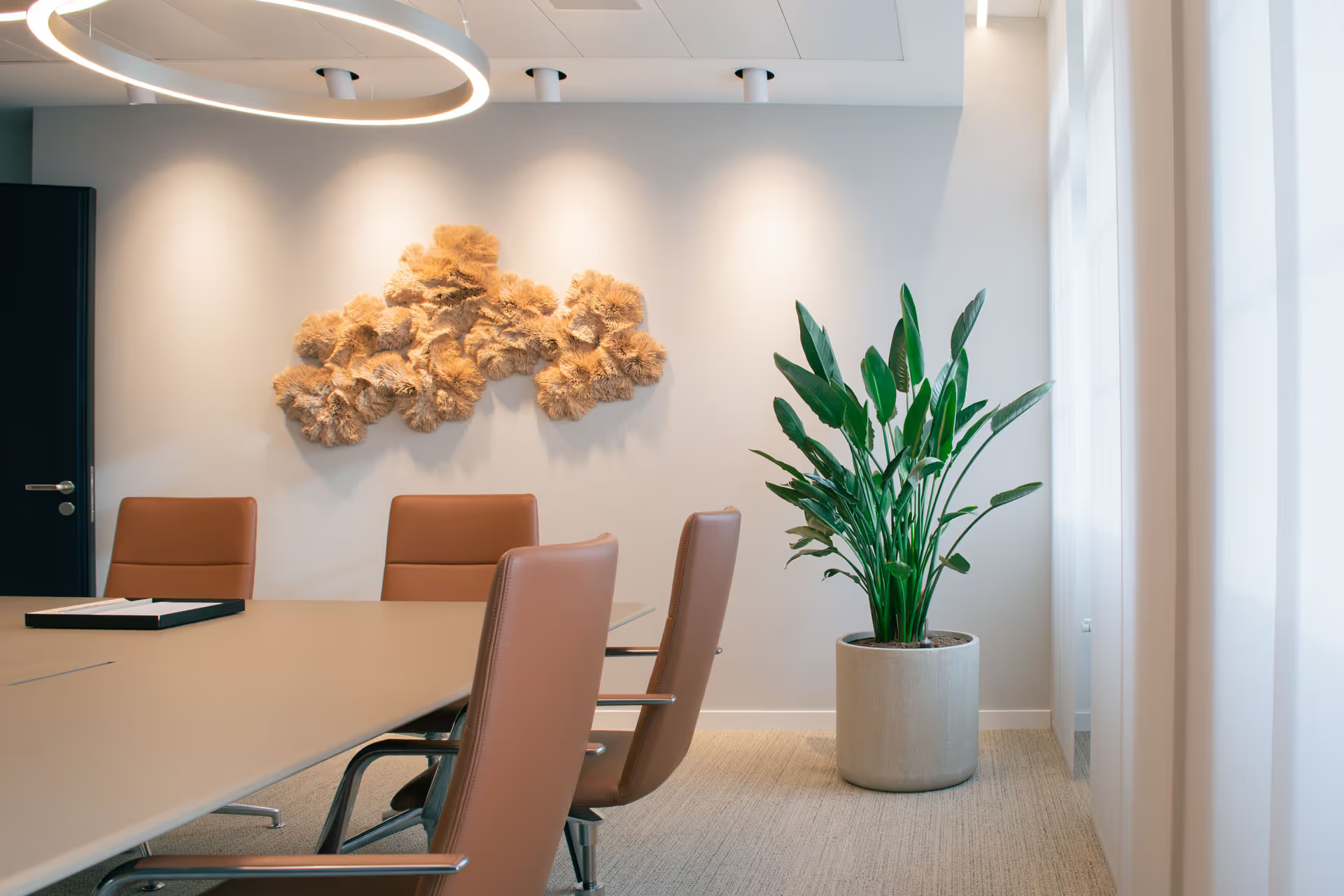

Why the Strelitzia reginae makes a great office plant
There are plants that decorate a room and plants that alter its entire mood. The Strelitzia reginae belongs firmly to the latter. With its tall, paddle-shaped leaves arranged like a quietly confident fan, it brings a certain poised drama into office spaces. The leaves have that refined grey-green tint that interior stylists adore, the kind that softens harsh lines and lends even the most corporate corner a touch of holiday energy.
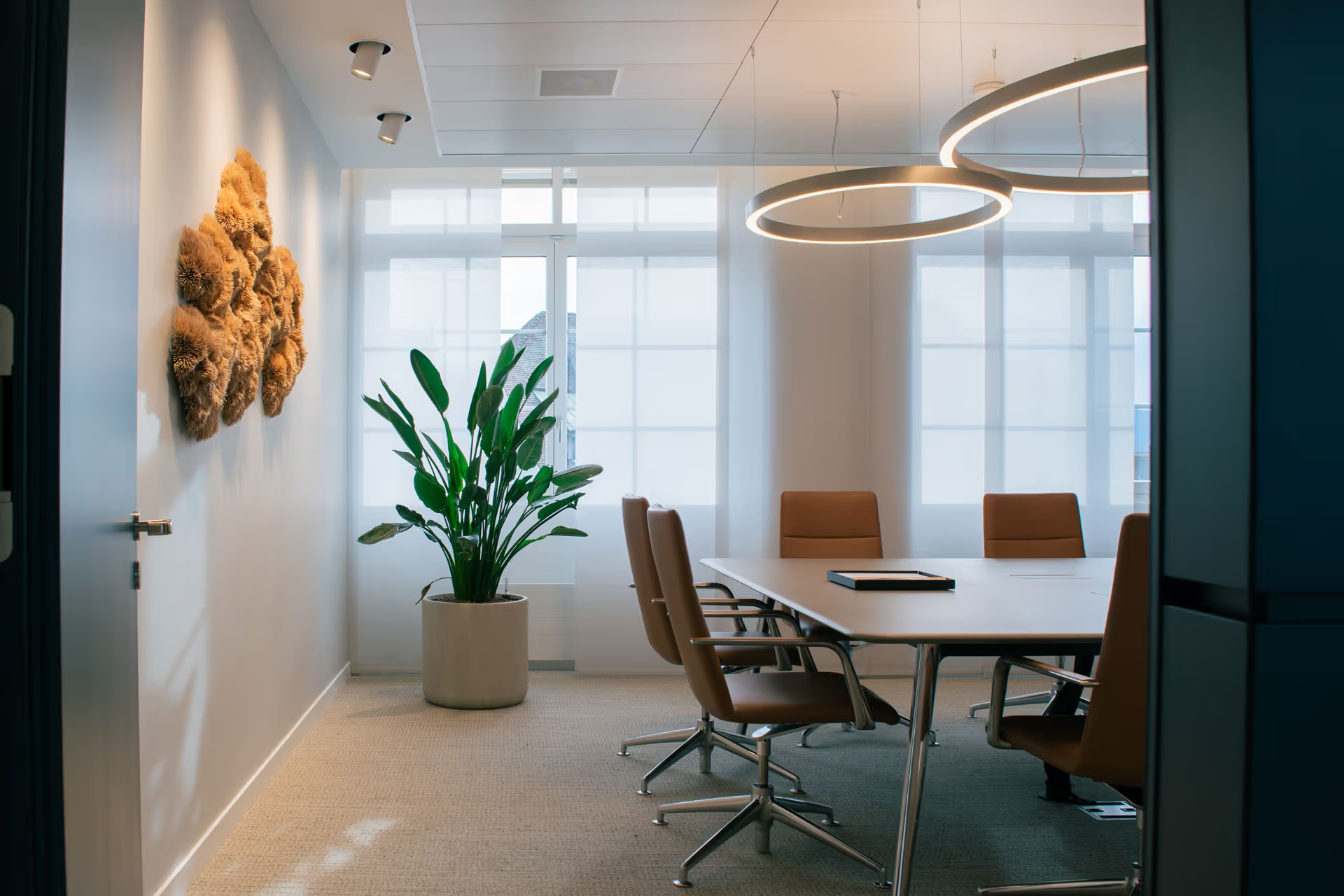
All you need to know about the Strelitzia reginae
At around 110 centimeters tall, the Strelitzia reginae sits in that sweet spot between understated elegance and sculptural presence. It stands like a botanical exclamation mark in a meeting room yet blends seamlessly beside a lounge chair or creative workspace. The plant’s evergreen calmness also adds a sense of continuity. Week after week, it greets employees with the same serene composure.
Its origins in sunlit South Africa have given it a taste for bright indoor spaces. In an office, the plant responds beautifully to generous ambient light, holding its posture with a slow, steady growth rhythm. It performs without fuss: no pollen, no sprawling habits, just a gentle push upward as if stretching into the workday. Its upright form even lends itself to soft zoning, subtly defining areas without resorting to screens or bulky furniture. As a plant that rarely blooms indoors, the Strelitzia relies on personality rather than flowers to impress. And it does so effortlessly. Its presence is crisp, architectural and slightly indulgent, as if hinting to everyone that the office might be more creative, more open, more alive than the schedule suggests.
The natural landscapes of the Strelitzia reginae tell a lot about what it appreciates indoors. South African warmth, dappled light and the rhythm of moist soil followed by good drying-out periods all inform its preferences. Inside modern workspaces, the plant is at its happiest in bright, indirect light where it can maintain that upright, sculptural look.
It prefers stable indoor temperatures, avoiding cold drafts and shifts that would remind it of climates it was never designed to endure. The combination of warmth, light and moderated moisture mirrors its natural habitat in a refined, office-friendly way.
Under what conditions does the Strelitzia reginae thrive?
Watering
The plant should be watered in a rhythm that allows the substrate to dry thoroughly between waterings. This supports its natural cycle and protects it from excess moisture around the roots.
Fertilizing
It should be ensured that the plant receives nutrients during its active growth period in spring. This helps maintain its leaf strength and distinctive color.
Cutting
Tired or fading leaves should be removed to support a clean silhouette. Cutting maintains the plant’s elegant shape and guides new growth.
Other Care
The plant should be positioned in stable indoor conditions with steady humidity and protected from cold exposure. Repotting becomes necessary when the roots fill up the container, allowing the plant to continue its upward, confident stance.
How much water is evaporated by the Strelitzia reginae?
“Using research, real life tests, and office air quality data, we approximate the effect of different plant species. Of course, the actual effect can vary depending on things like room conditions and the plant’s overall health.” Georges, Data Project Manager
What appears, at first glance, to be a statuesque interior plant is also a discreet contributor to indoor comfort. With a leaf surface of 0.7 square meters, the Strelitzia reginae evaporates around 1.1 liters of water monthly. This creates a soft lift in office humidity levels, something most people feel long before they consciously register it.
Compared to the Howea forsteriana, a tall classic at 1.90 meters and 2.1 liters of monthly evaporation, the Strelitzia performs in a gentler way. It’s like the difference between a soft background soundtrack and a full orchestral piece: both have their place, and both shape atmosphere, just differently.
An average Strelitzia reginae in numbers
Height: 110 cm
Width: 50 cm
Leaf surface: 0.7 m²
Monthly water evaporation: 1.1 l
Yes, the plant adapts gracefully to bright, indirect indoor conditions. Its upright form remains stable and attractive in typical modern office environments.
Growth is steady and composed. The plant develops new leaves at a measured pace, maintaining its clean, architectural shape over time.
Indoor flowering is uncommon. While the species is famous for its orange and blue bird-like blooms, indoor conditions favor strong foliage instead of regular flowering cycles.
It handles partial shade but shows its best posture and color in brighter ambient light. Prolonged dim conditions may reduce growth and leaf sturdiness.
Yes, it fits shared and open-plan offices well thanks to its evergreen structure, low pollen presence and calm, upright growth habit.