Learn more

Learn more
Learn more
Aglaonema 'Stripes'
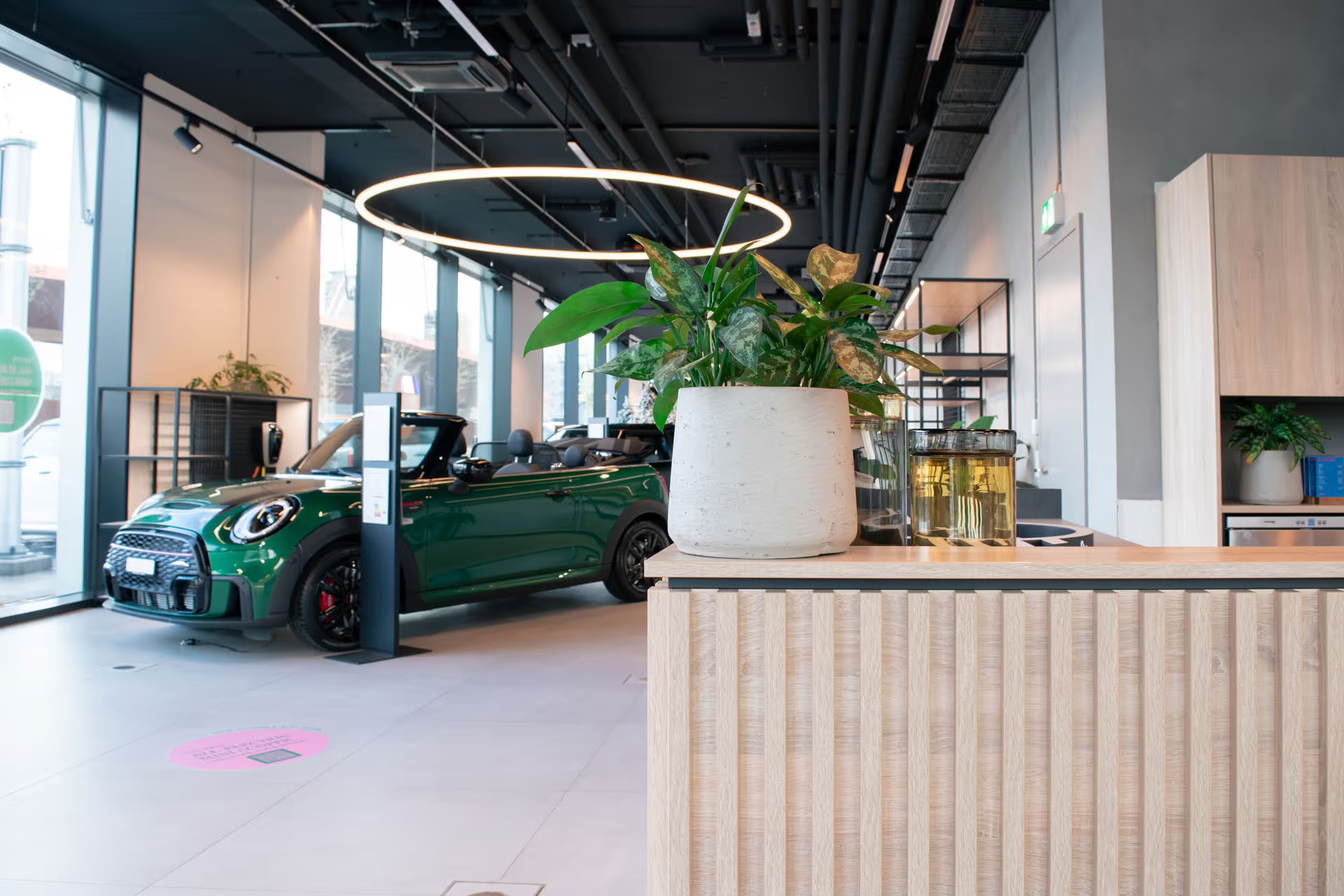

Why the Aglaonema Stripes makes a great office plant
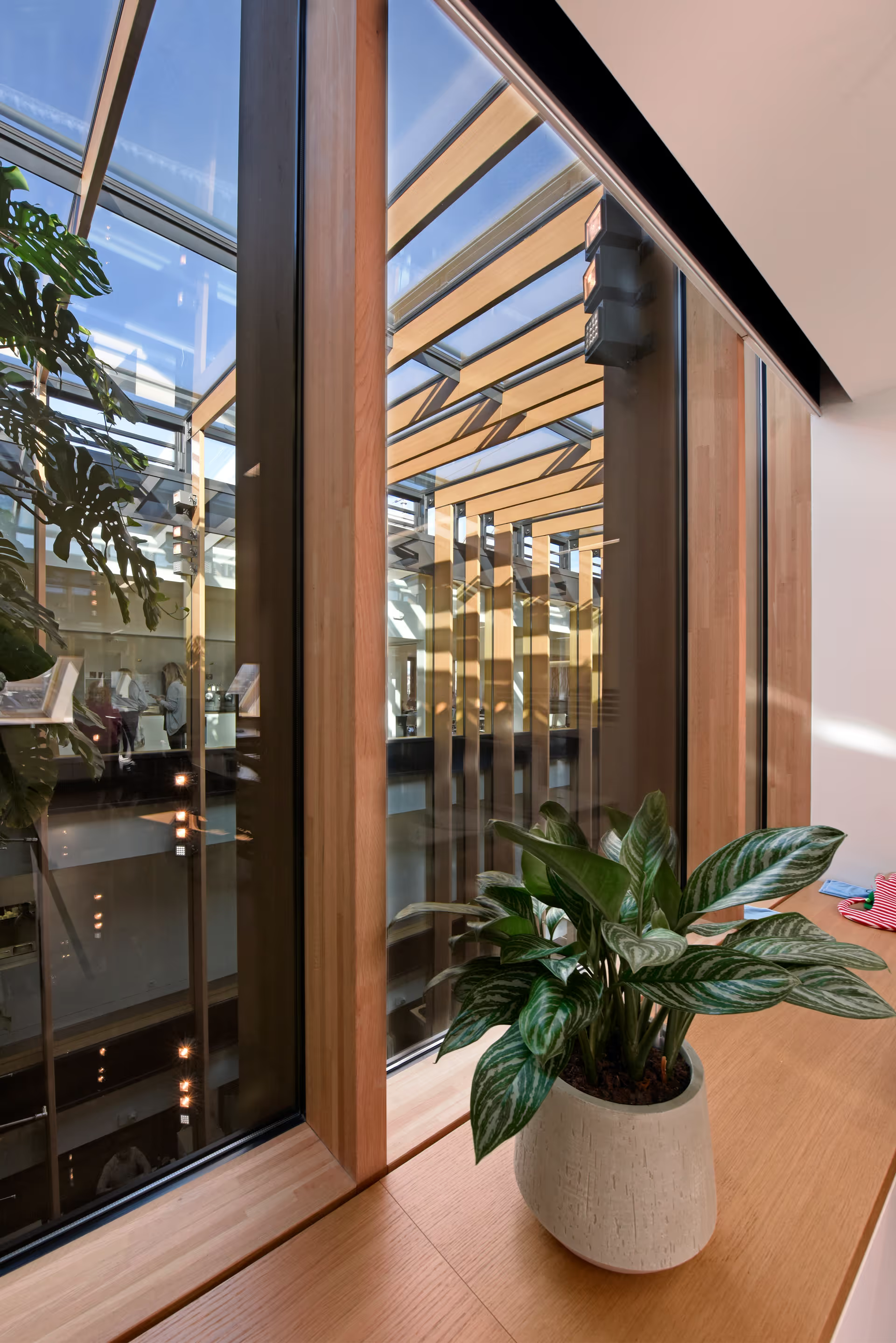
Few office plants channel effortless elegance quite like the Aglaonema Stripes. It arrives with a quiet confidence, wearing its trademark pattern of fresh green and soft silvery tones almost like a tailored suit. The stripes run along generous, inversely oval leaves, each one slightly glossy, giving the plant the appearance of being permanently lit from within.
All you need to know about the Aglaonema Stripes
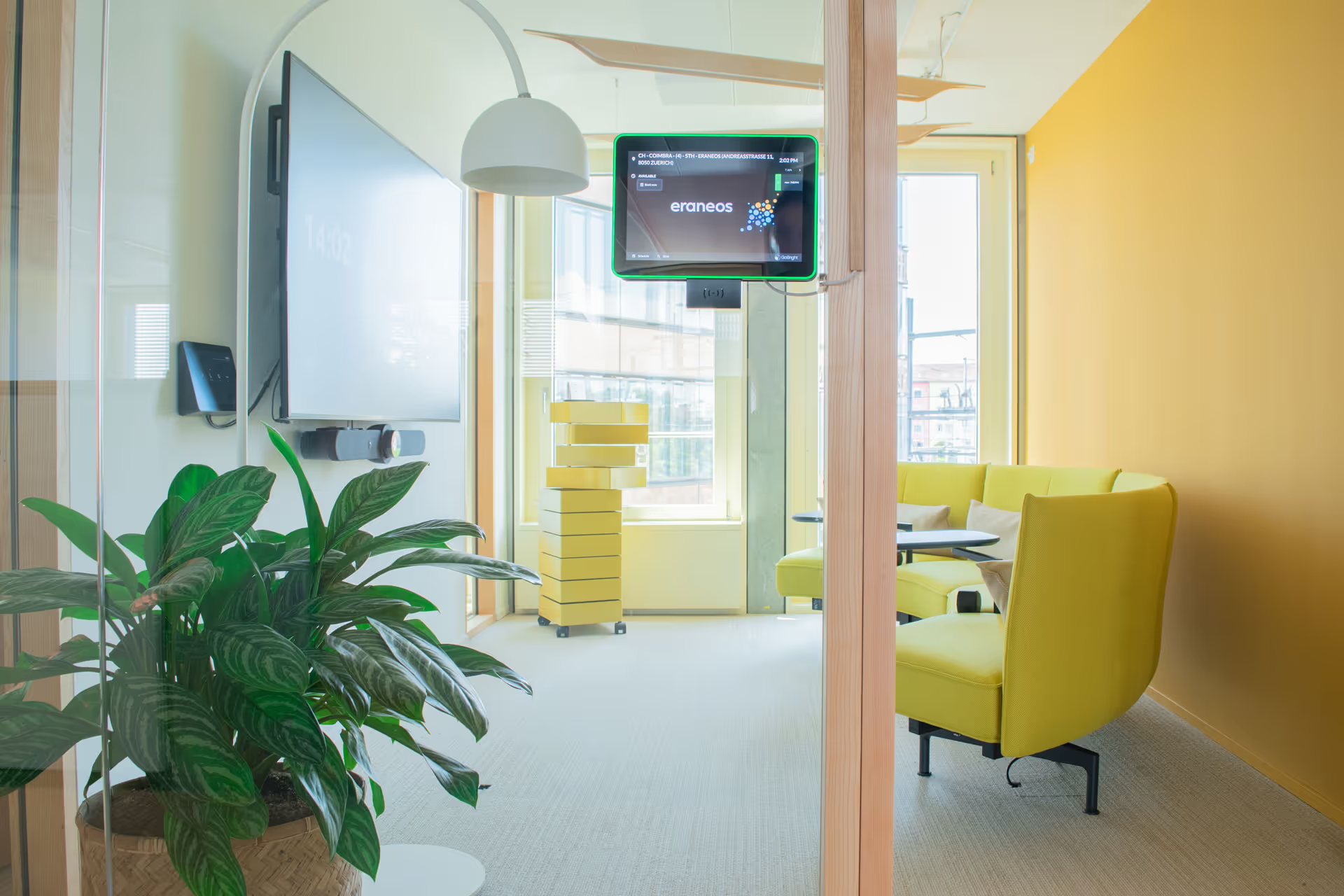
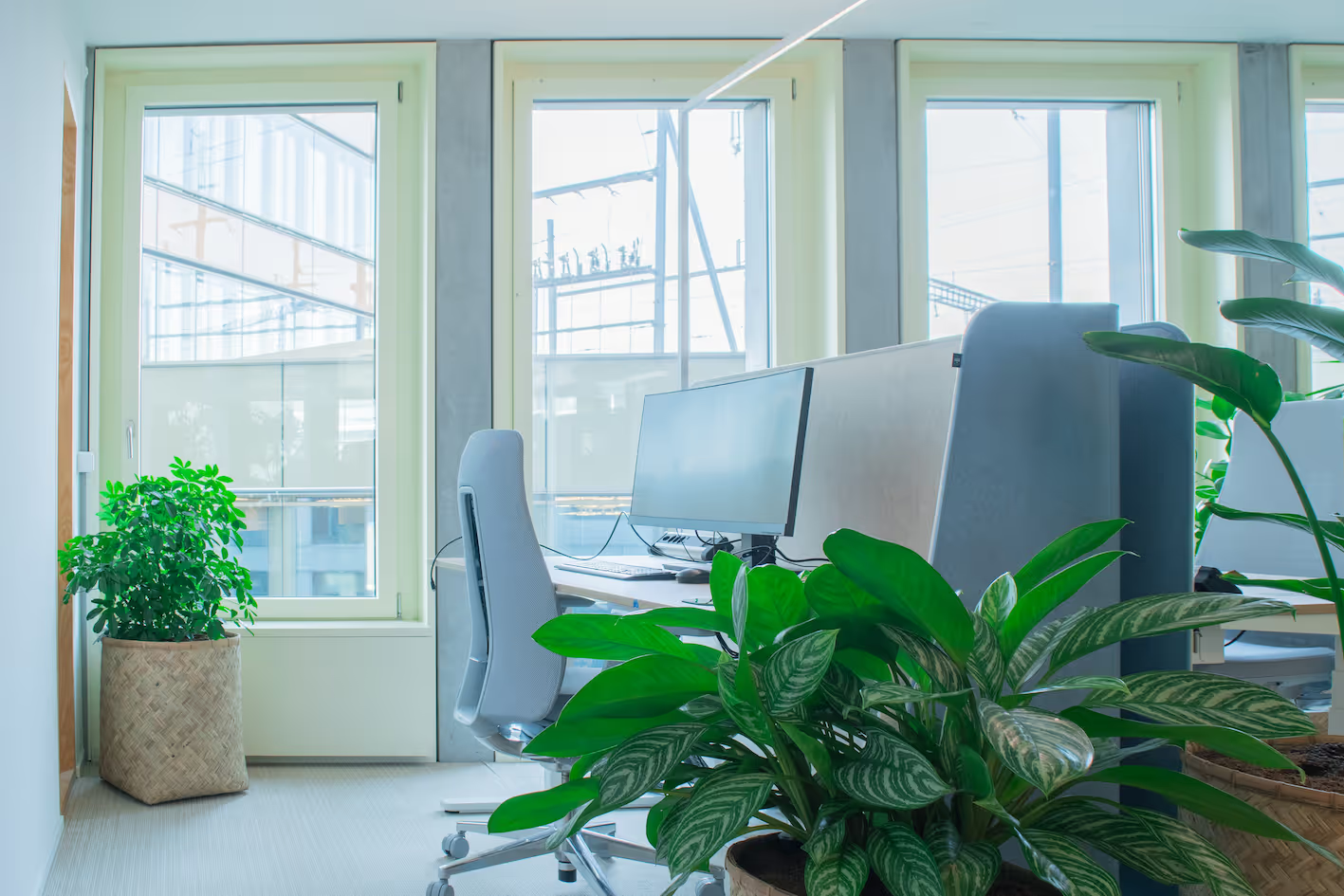
Compact in nature, it keeps a graceful silhouette of around 70 centimeters in height and 40 centimeters in width, making it suitable for desks, corners or subtly defined zones in larger workspaces. What makes this plant particularly well suited for offices is its affinity for the kind of light conditions most workplaces naturally offer. Fluorescent lighting, indirect daylight, areas that stay bright but never sun-drenched — the Aglaonema Stripes takes it all in stride.
Its forest ancestry, rooted in the understories of Southeast Asia, gives it a remarkable tolerance for shade. In a modern office, this translates into steady growth without the need for prime window real estate. It quietly holds its form, producing foliage at a slow, deliberate pace that never disrupts the flow of a workspace. Another advantage lies in its unobtrusive personality.
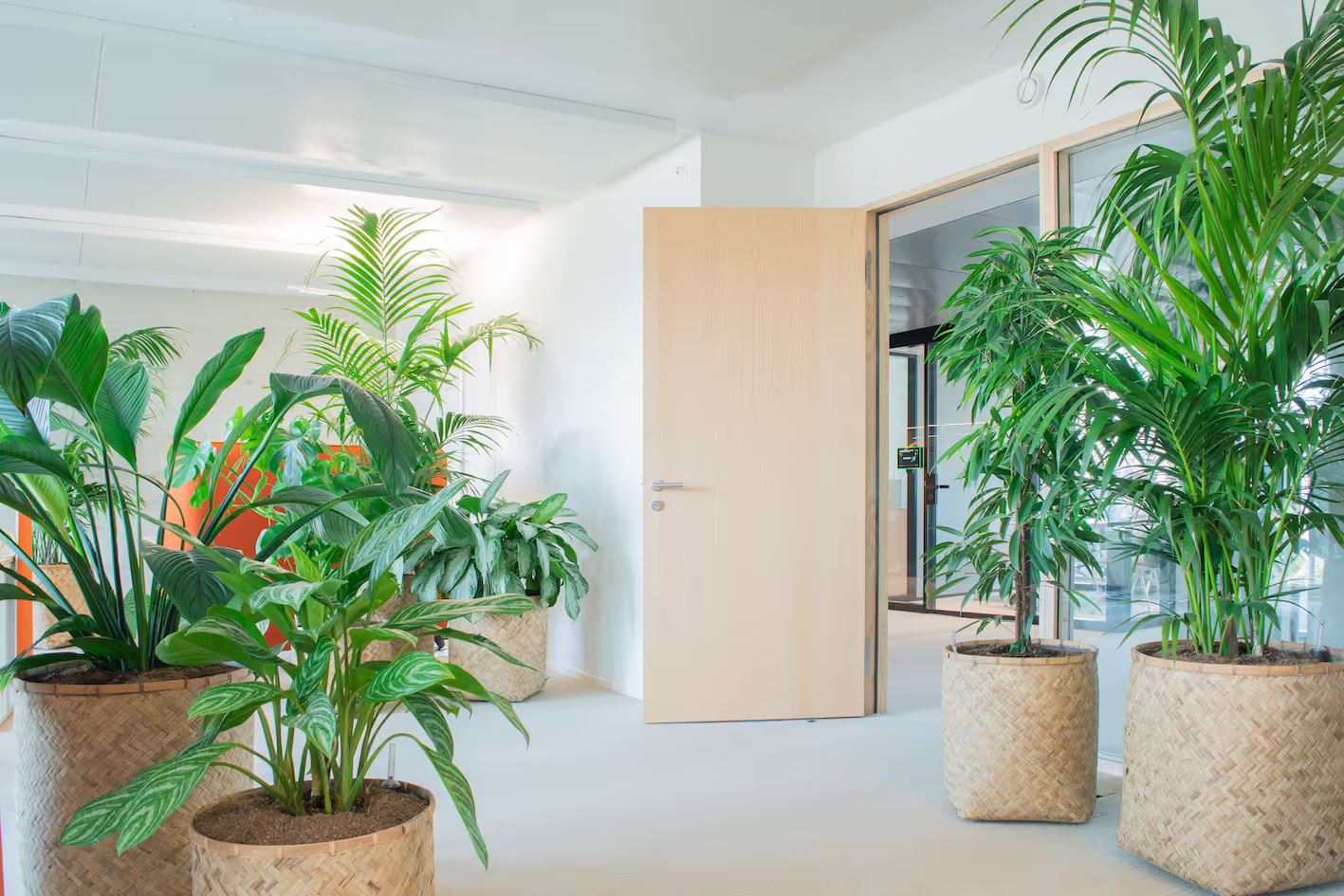
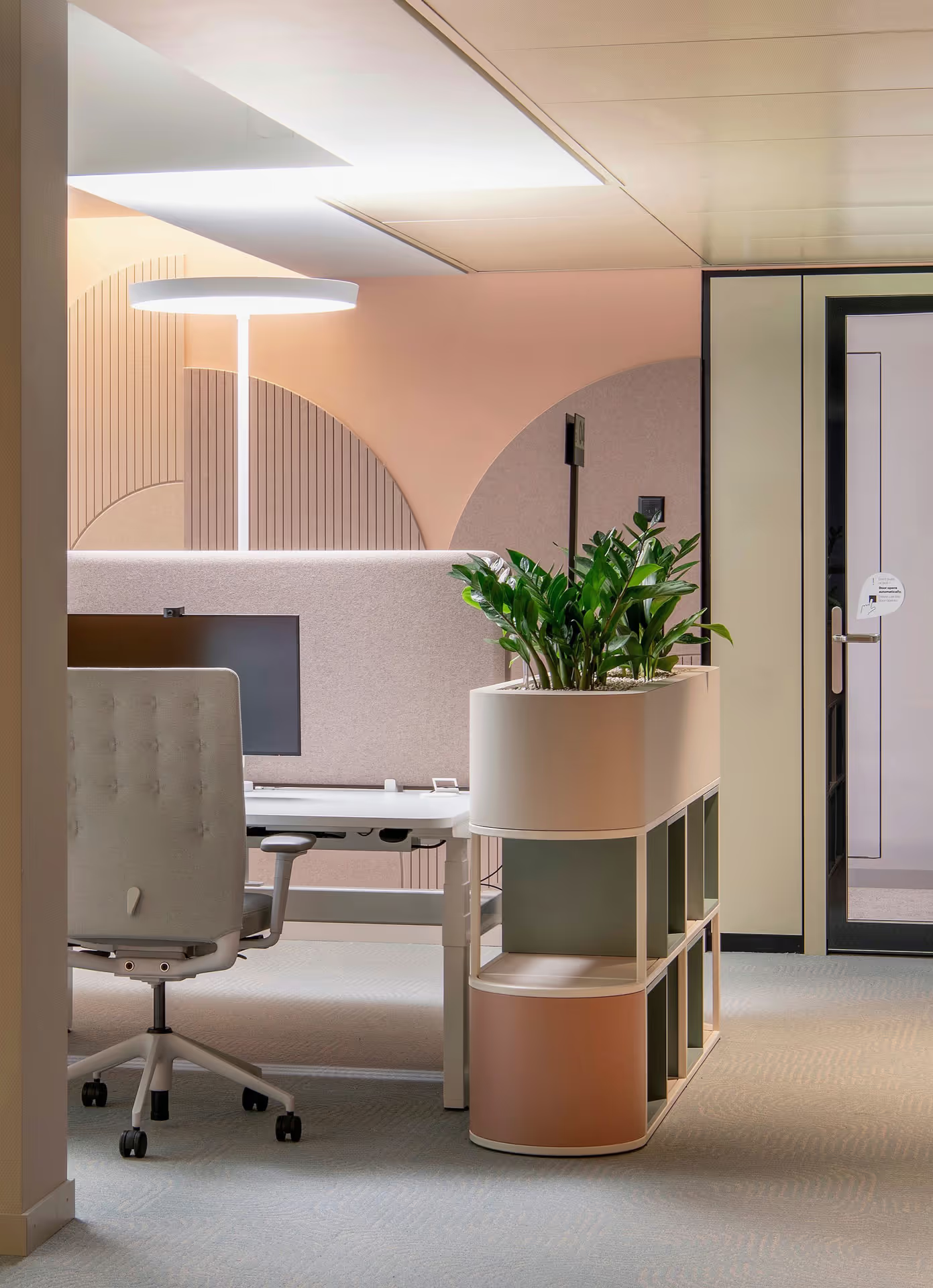
The Aglaonema Stripes does not bloom indoors and contains no pollen, making it friendly for allergy-sensitive environments. Its growth remains calm and predictable, so it can be used as a visual anchor in meeting rooms, shared desks or reception areas without overwhelming the design. Thanks to its compact surface area and strong structure, it even works well in space-division concepts where greenery softens transitions between zones. Calm, sculptural and consistently elegant, it elevates the atmosphere of corporate interiors without demanding attention in return.
Under what conditions does the Aglaonema Stripes thrive?
Watering
The plant should be watered regularly, particularly during its active growth phases. It should be ensured that the substrate never becomes waterlogged, as stagnant moisture can lead to root damage.
Fertilizing
During the growing season, the plant should be supplied with a balanced, liquid fertilizer at intervals that support steady foliage production. This promotes uniform leaf coloration and healthy structural development.
Cutting
Only occasional cutting is required. Any damaged or naturally aging leaves should be removed to maintain the plant’s clean, architectural form.
Other Care
It should be ensured that the plant is positioned in an area free from cold drafts. A stable, warm environment supports its tropical physiology. Surfaces should be kept free of dust so that leaves can maintain their natural sheen and coloration patterns.
How much water is released by the Aglaonema Stripes?
“Using research, real-life tests, and office air quality data, we approximate the effect of different plant species. Of course, the actual effect can vary depending on things like room conditions and the plant’s overall health.” George, Data Project Manager
The Aglaonema Stripes may be compact, but it contributes meaningfully to indoor air humidity. With a height of 70 centimeters, a width of 40 centimeters and a leaf surface area of 0.535 square meters, it evaporates an average of 0.9 liters of water per month. This is a modest yet consistent contribution to microclimate stabilization. For comparison, a large Howea forsteriana measuring 1.90 meters in height and 0.7 meters in width evaporates around 2.1 liters per month. Against this backdrop, the Aglaonema Stripes shows how even a relatively small species plays a measurable role in balancing indoor environments, particularly in more enclosed office layouts.
An average Aglaonema Stripes in numbers
Height: 70cm
Width: 40cm
Leaf Surface: 0.5 m²
Monthly Water Evaporation: 0.9 l
Yes. The species originates from forest understories and naturally thrives in shade. It remains stable and visually attractive even in workplaces with limited daylight exposure.
The plant contributes to air-quality improvement through steady water evaporation and surface-based pollutant interaction. While its effect depends on room conditions, it plays a measurable role in maintaining indoor humidity.
Yes. The plant does not bloom indoors and produces no pollen. This makes it a good choice for shared office zones where air sensitivity may be a concern.
The plant typically reaches around 60 to 70 centimeters in height and maintains a compact width. Its controlled growth habit makes it suitable for desks, cabinets and meeting rooms.
The foliage displays a vibrant mix of green, grey and creamy white variegation. Its striped pattern is one of the main reasons it is selected for modern workspace design.