Learn more

Learn more
Learn more
Why Renting Office Plants Is Smarter Than Buying
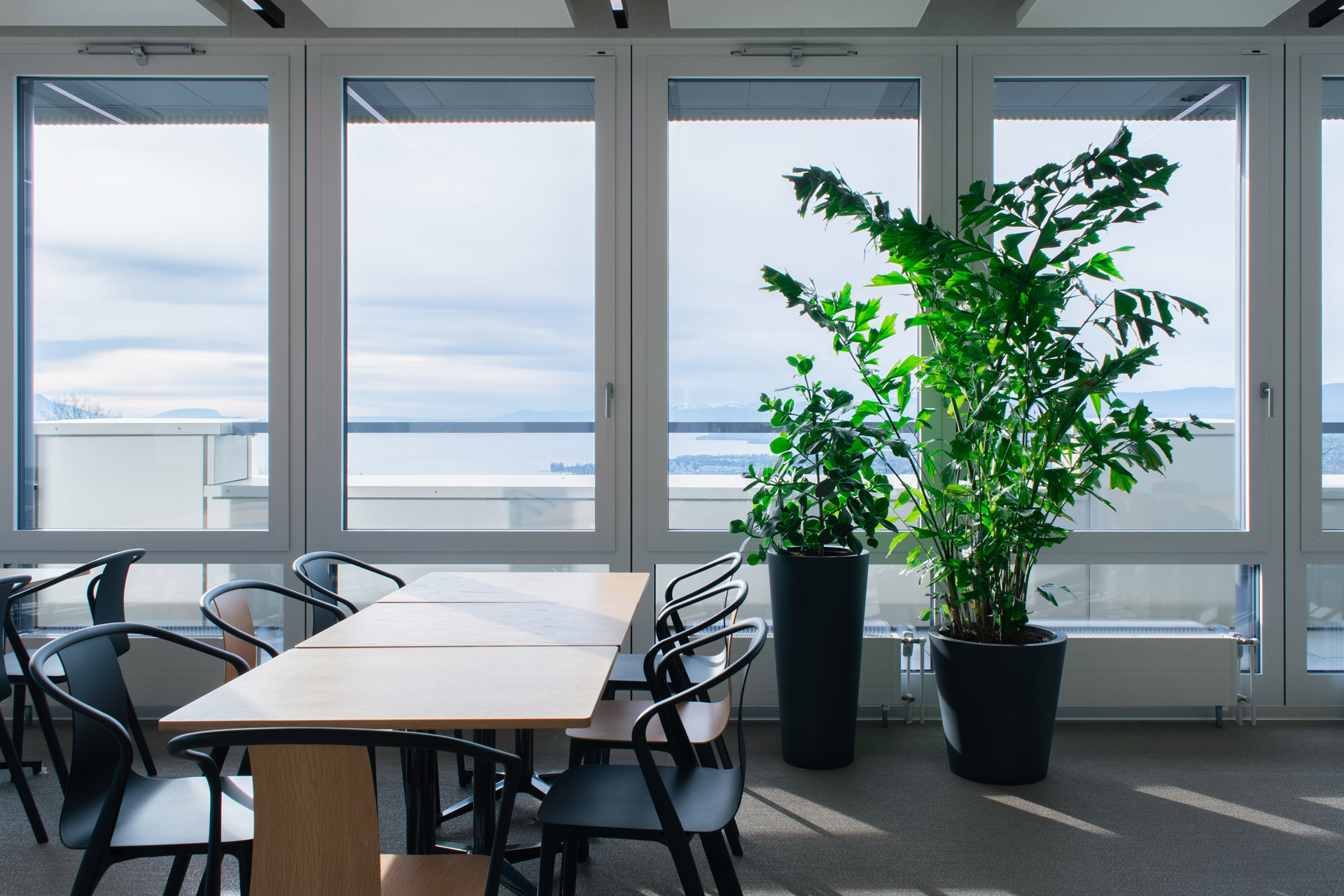


Rent Office Plants, or Buy Them Outright?
The "green office" has moved well past design trend. Well chosen greenery is increasingly treated as part of how a workspace performs, alongside light, air, and layout. Yet as soon as a facility or office manager decides to bring nature in, they run into the same fork in the road: buy the plants outright, or rent them as a managed service. Buying can look cheaper on paper. In practice, the two paths are rarely comparable once the full picture is on the table. To understand why, we spoke with Oscar Sarmiento and Sarah Jobin, two of the specialists at Oxygen at Work who guide clients through this decision every week.
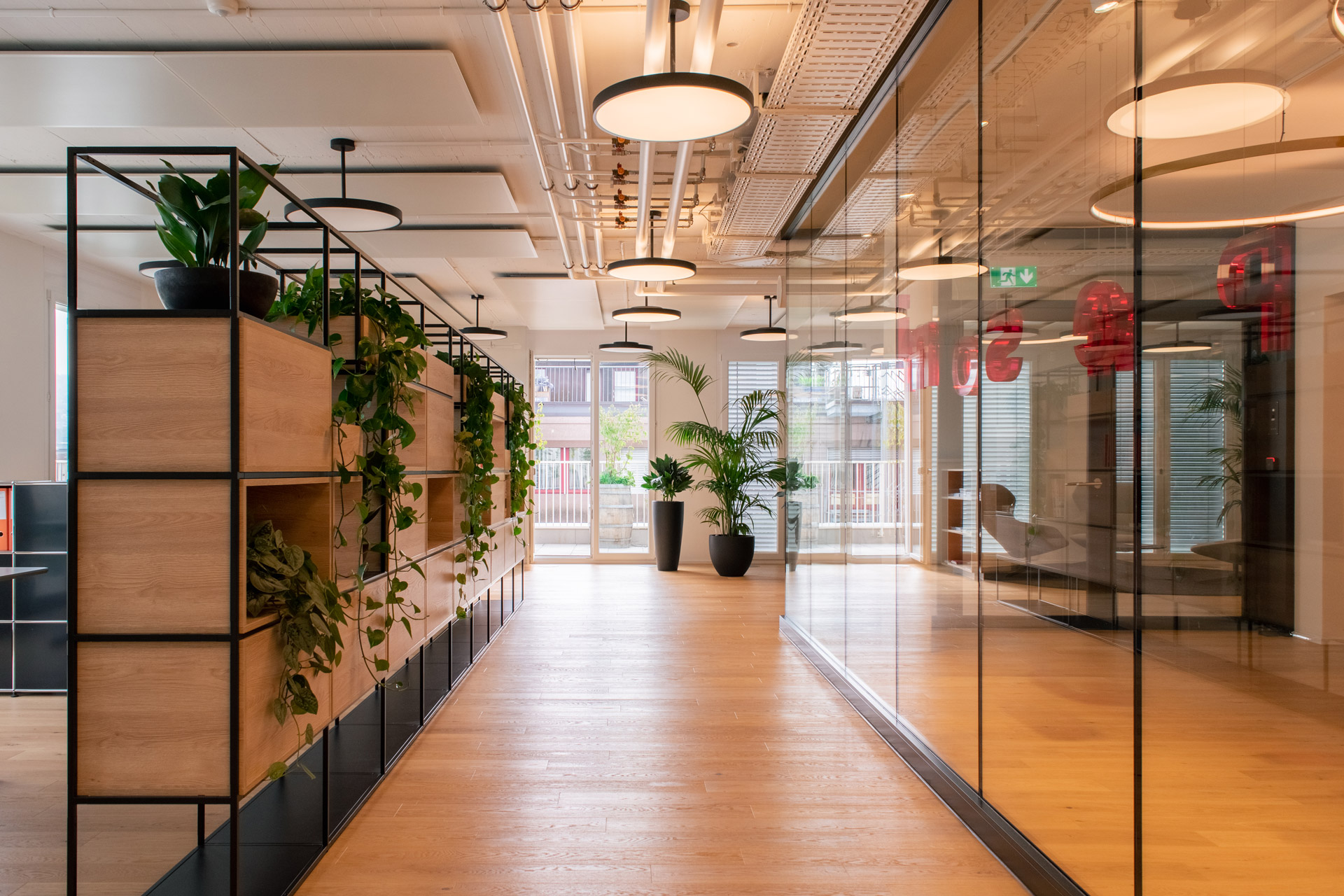
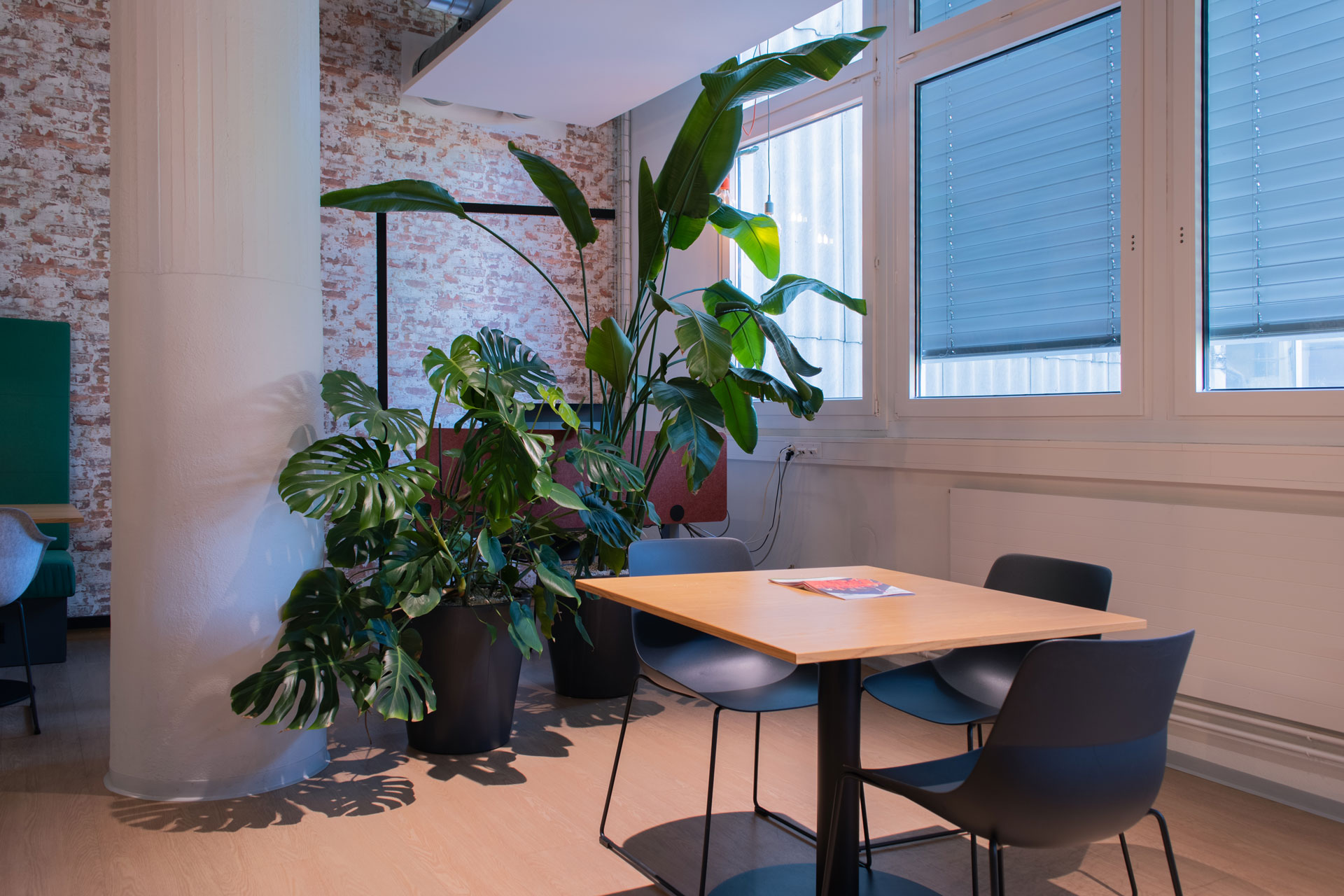
What Changes a Company's Mind
Before a company commits to either path, the same three questions tend to come up: who is responsible if the plants die, what happens to the plants and pots if the office changes, and what this actually costs once the plant itself is paid for. Rental exists because it answers all three at once.
Less Work for Your Team, Better Results for Your Office
When plant care sits with an office manager or a willing volunteer, the standard slips quietly. Watering is missed over a long weekend, a pest goes unnoticed until it has spread, and the knowledge of what each plant needs tends to leave the building when that person does.
"Maintenance is more than watering," says Sarah Jobin, plant design expert at Oxygen at Work. "It's cleaning leaves so they can photosynthesise properly, checking for early signs of root rot, and adjusting care as the seasons change. Most of it is invisible when it's done well. You only notice maintenance when it has been missing."
Flexible Design That Evolves With Your Needs
Teams grow, furniture moves, and layouts adapt to hybrid working. Owned plants, and the pots and equipment that come with them, rarely keep pace: a downsize or a move can leave a company with a storage room full of planters nobody needs any more.
Rented greenery is built to be reconfigured instead. A rebrand, a move to a new office, or a redesigned meeting area is never a problem: the concept adjusts with you, and nothing is left behind to store or dispose of.
Predictable Costs, No Surprises
Buying plants looks like the cheaper option, until the first one starts to decline and needs replacing, or the invoices for soil and pest control start arriving.
"People assume buying is cheaper than renting," says Oscar Sarmiento. "What gets missed is the opportunity cost: the time and resources ongoing care requires, and the eventual cost of replacing plants that don't survive. It rarely adds up to the kind of thriving space that actually supports employee wellbeing."
With rental, one transparent annual fee covers care, replacements, and expert support. If a plant is not thriving, it gets replaced at no extra charge, because that standard is part of the agreement, not an exception to it.
Backed by Greenery Professionals
Office plants do more than look good. Through photosynthesis and transpiration, they absorb carbon dioxide and release much of the water they take in back into the air, which helps regulate humidity in rooms that would otherwise run dry.
None of that happens by accident. "When a project ends, healthy plants move on to new projects rather than being discarded," Oscar explains. "Plants that no longer meet the aesthetic bar go to a Pflanzenbrocki, a second-hand plant partner, for a new home. Those at the end of their life go to an energy provider that turns plant waste into biogas for heating buildings. The whole system is designed to close the loop wherever it can."
Where It Makes the Most Difference
Rental suits almost any office, but it tends to matter most for growing companies whose space will not look the same in a year, hybrid offices where usage shifts week to week, facility teams managing a fixed budget, companies that relocate often, and buildings with naturally low humidity, where plants are doing real climate work rather than just decoration.
Buying office plants is not the wrong choice for every company. But for most, renting offers a more adaptive, lower-effort, and better supported way to bring nature indoors.
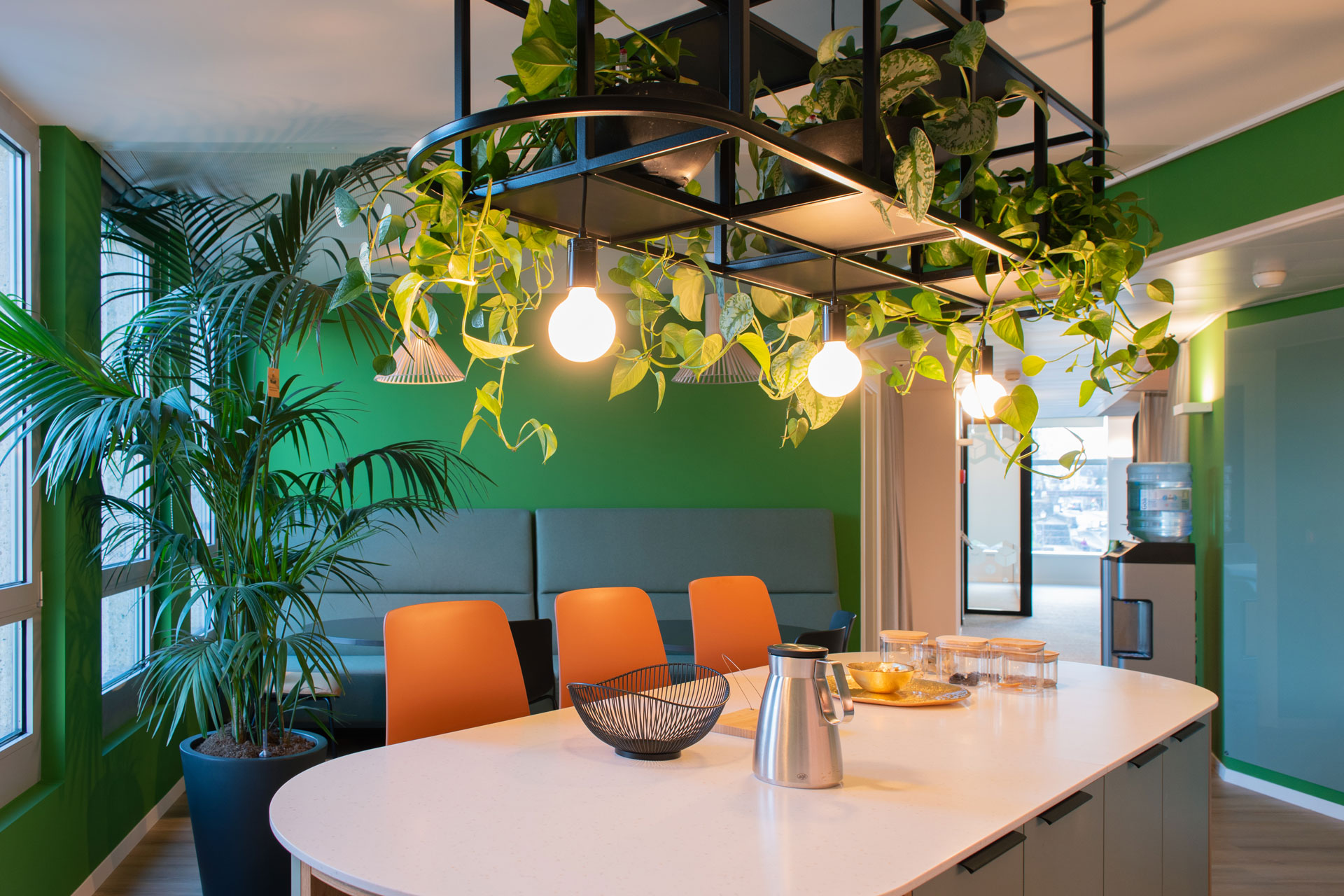
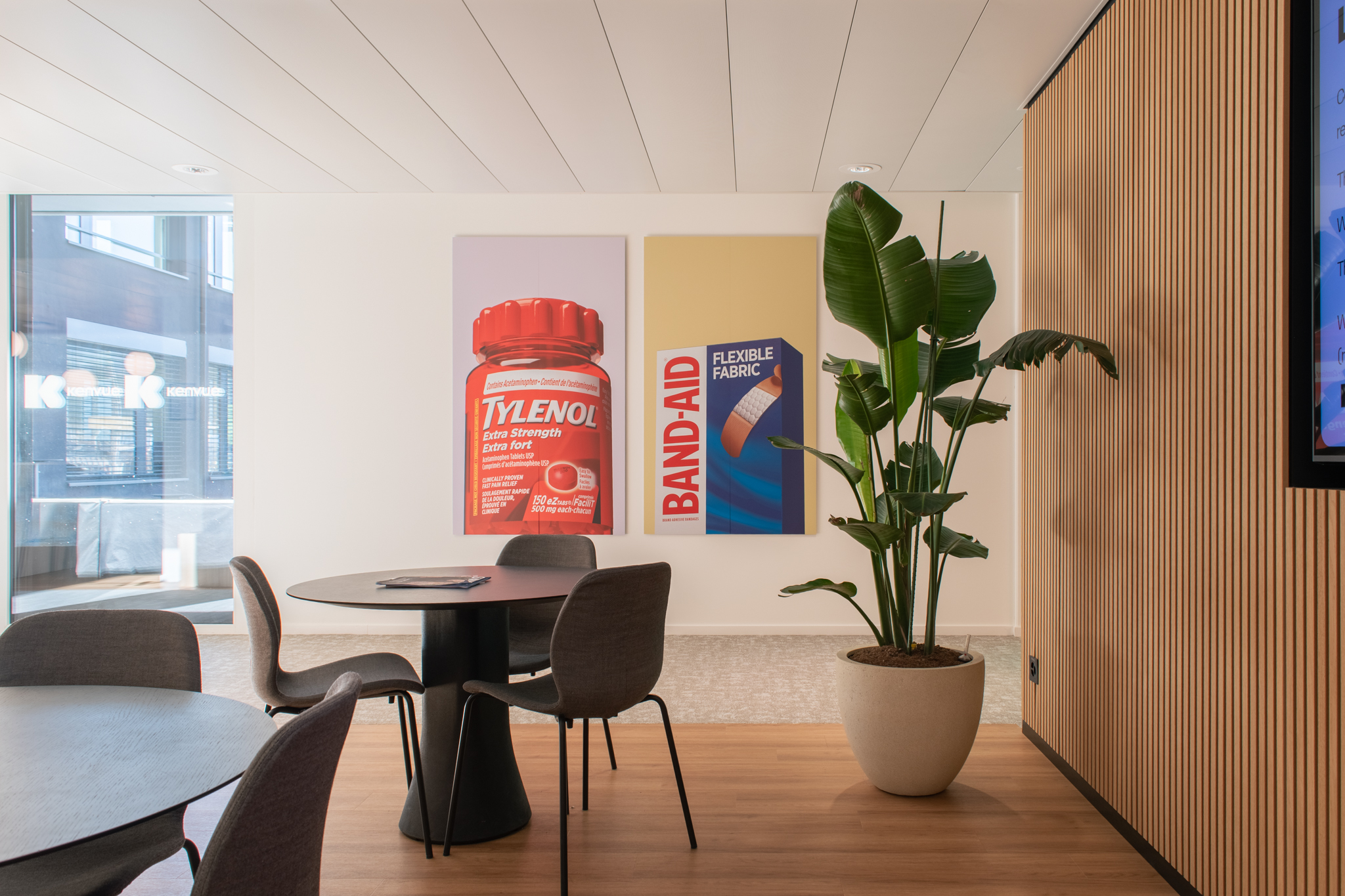
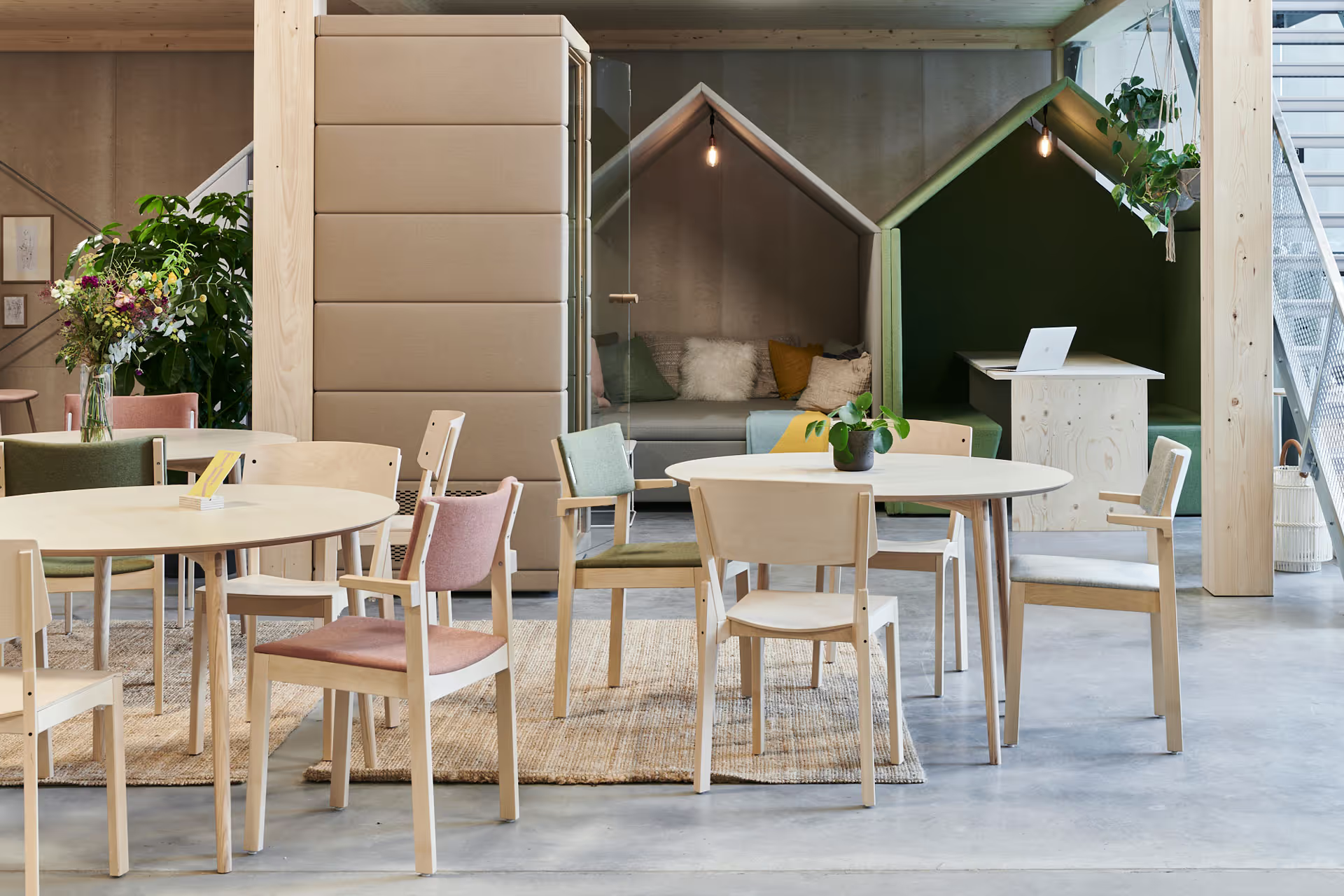
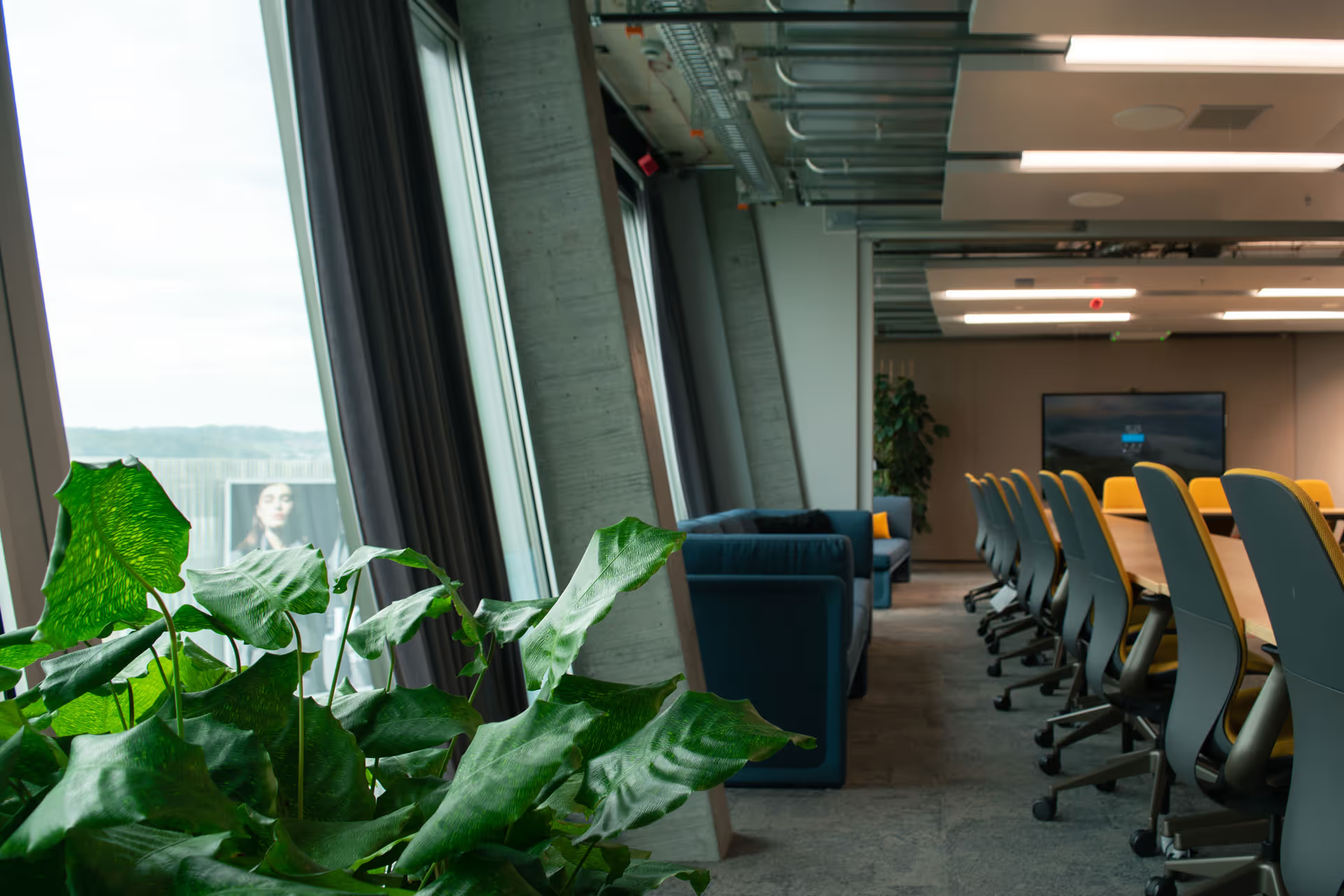
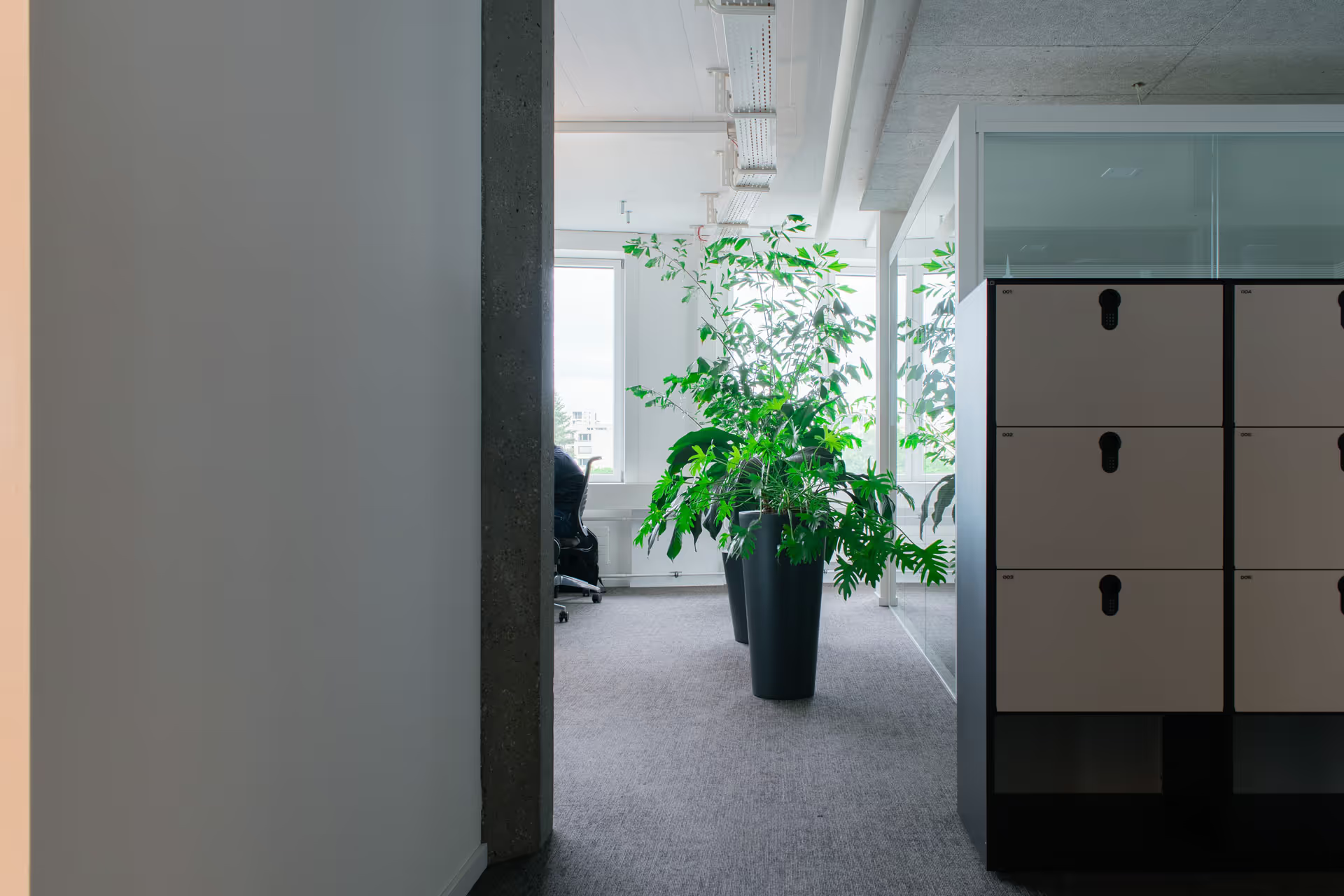
Care, correct placement, replacements, and expert support are all part of the service. Larger concepts also draw on our sensor technology to track how the plants and the room are doing.
It gets replaced at no extra cost. That is part of the rental agreement, not an exception.
They move with the concept, or return to be reused in another project. You are never left with pots or plants that no longer fit your space.
Potted plants are one part of it. We also design larger greening elements such as moss walls and living room dividers, matched to the space and light available.