Learn more

Learn more
Learn more
Aglaonema 'Silver Bay'
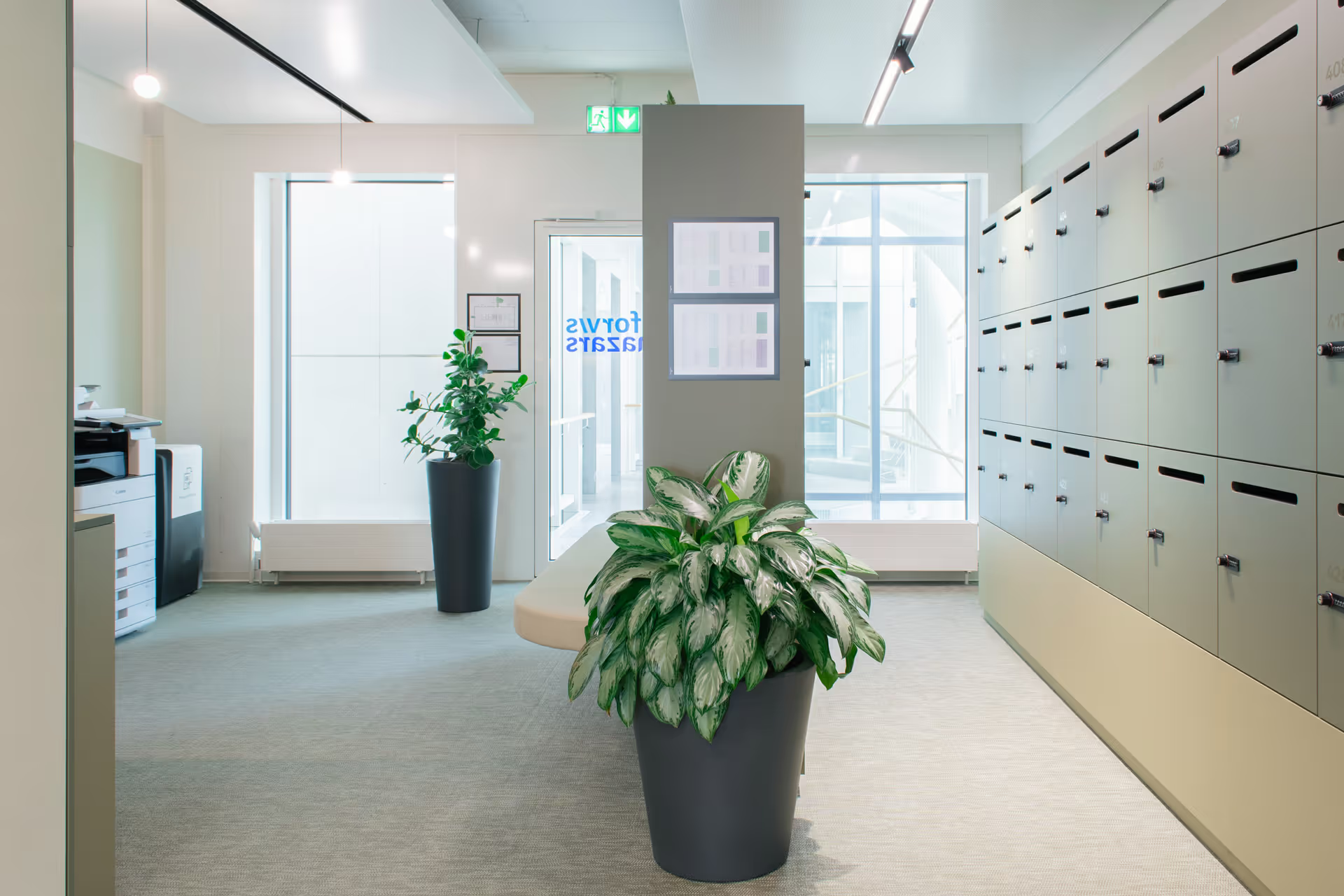

Why the Aglaonema 'Silver Bay' Makes a Great Office Plant
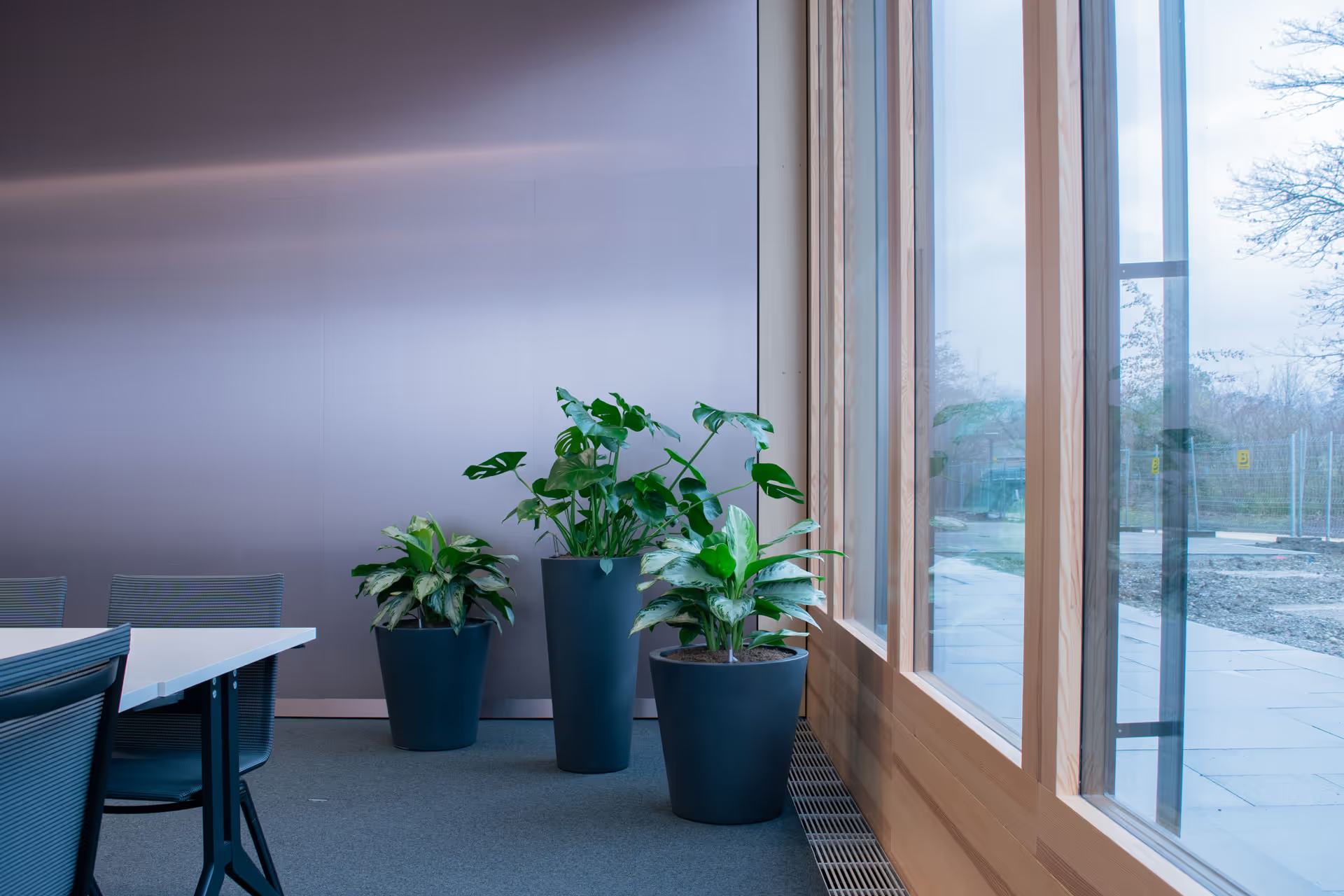
There is something unmistakably poised about the Aglaonema Silver Bay, as if it arrived at the office already fully briefed. Its bold silver streaks sit elegantly on lush green leaves that seem to glow even in the gentlest light.
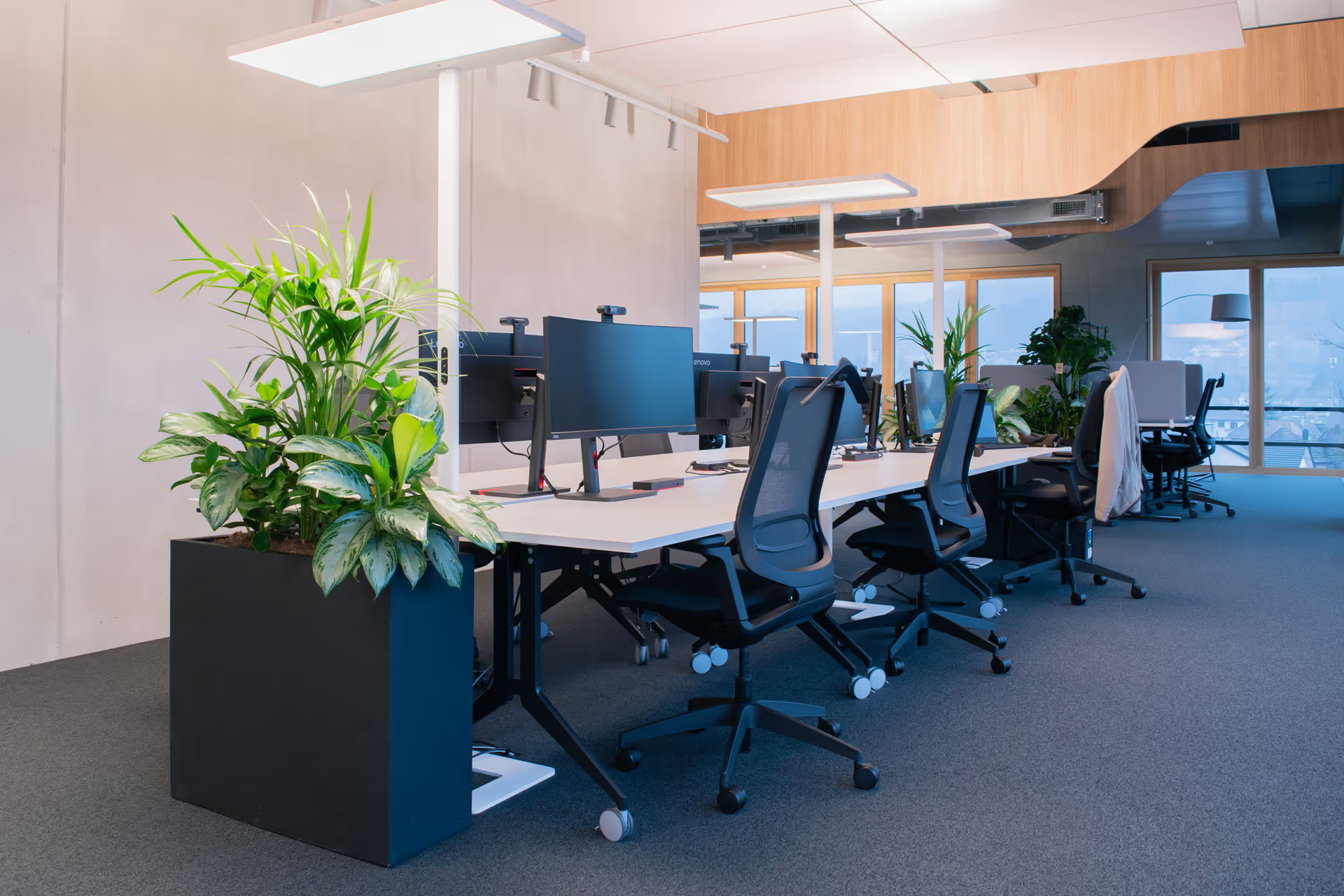
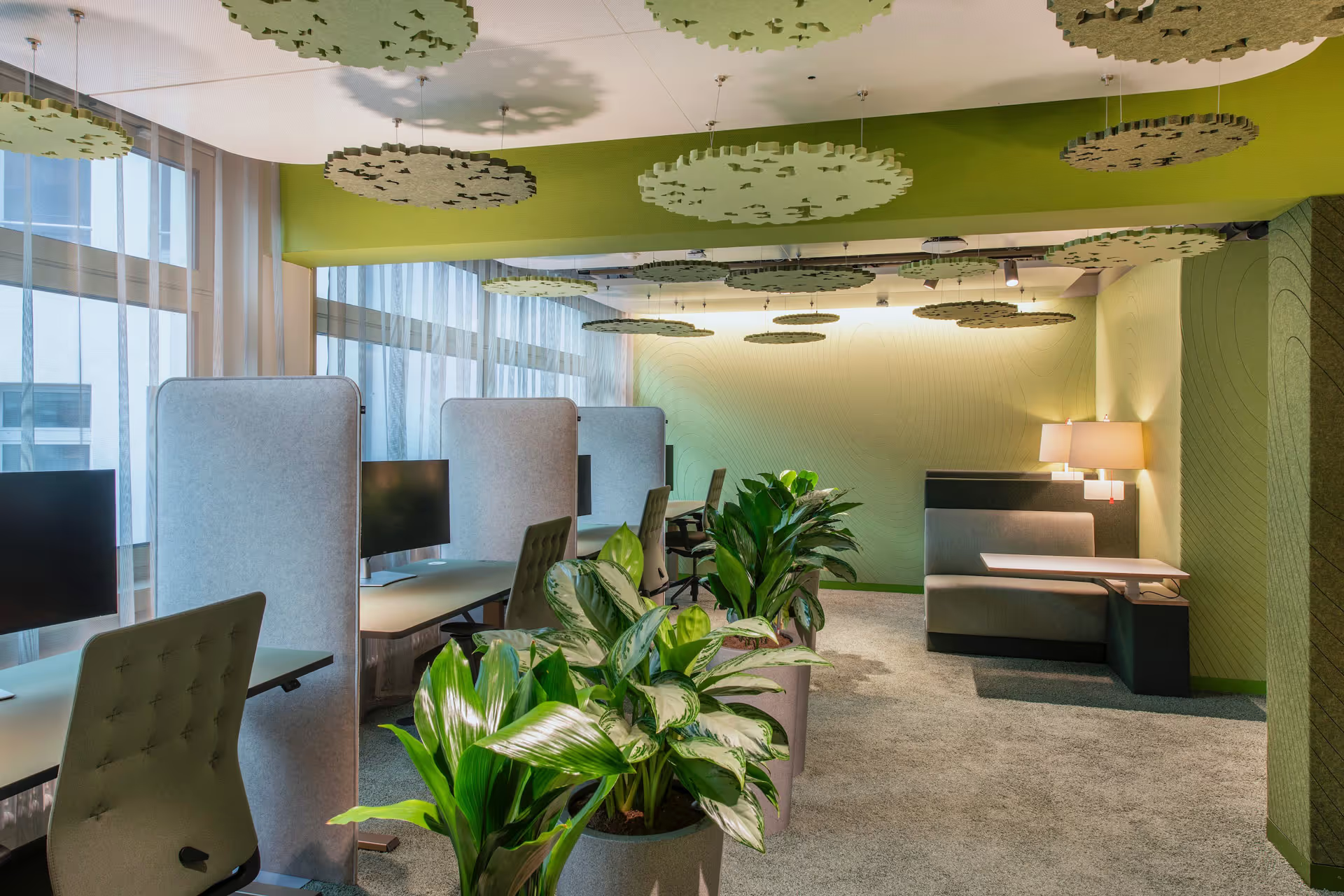
All you need to know about the Aglaonema 'Silver Bay'
Compact at around 45 cm in height and 35 cm in width, it has a presence that feels both intentional and quietly confident. The plant introduces a touch of modern softness to workspaces that often lean toward neutral palettes and sharp lines. In typical office environments where sunlight is filtered, reflected or occasionally overpowered by the hum of monitors, the Aglaonema Silver Bay performs remarkably well.
Its origins in the tropical and subtropical forests of Asia and New Guinea have equipped it to flourish in low and indirect light. It is a plant that feels entirely at home in meeting rooms, team zones or tucked between collaborative spaces where brightness shifts throughout the day. Its slow growth makes it an office friendly companion that will not demand new furniture arrangements every few months. With no pollen and no tendency to overgrow, it maintains a tidy silhouette. This makes it ideal for locations where calm greenery is needed without noise or disruption.
When placed in groupings, its broad leaves add structure and can subtly support spatial zoning, giving open plan offices an organic visual flow. The marbled silver tones that dance across the foliage give the plant a contemporary look that feels almost tailored. It brings a gentle rhythm to workspaces, harmonising with both minimalist interiors and warmer design languages. For companies seeking a biophilic touch with measurable benefits, the Aglaonema Silver Bay is an essential part of many of Oxygen at Work’s green concepts.
Under what conditions does the Aglaonema 'Silver Bay' thrive?
Watering
The plant should be watered in a way that keeps the soil consistently but not excessively moist. It should be ensured that excess water does not remain in the pot so the roots remain well aerated.
Fertilizing
The plant should receive nutrients at measured intervals so its leaves can maintain their characteristic silver and green colours. A balanced fertilization routine supports steady development without stimulating rapid or irregular growth.
Cutting
When necessary, older leaves may be removed to preserve the plant’s natural form. Cutting should be carried out gently so the overall structure remains harmonious and undisturbed.
Other Care
It should be ensured that the plant remains in an environment protected from drafts and abrupt temperature changes. With a preference for temperatures between 16 and 29 degrees Celsius, the Aglaonema Silver Bay remains stable in most office interiors. Its tolerance for shaded locations, combined with its sturdy stems and evergreen nature, makes it suitable for a wide range of professional environments.
How much water is evaporated by the Aglaonema 'Silver Bay'?
“Using research, real life tests, and office air quality data, we approximate the effect of different plant species. Of course, the actual effect can vary depending on things like room conditions and the plant’s overall health.” George, Data Project Manager
With its 0.485 square meters of leaf surface, the Aglaonema Silver Bay contributes a gentle but measurable level of natural humidity to office environments. On average it evaporates around 0.8 liters of water each month, a subtle yet consistent addition to indoor air quality that supports a more balanced atmosphere in spaces dominated by heating and cooling systems.
To bring this number into perspective, a larger species like a Howea forsteriana, standing at 1.90 meters in height and 0.7 meters in width, evaporates around 2.1 liters per month. The Aglaonema Silver Bay therefore offers an efficient contribution relative to its size, making it a valuable part of a multi plant concept that supports natural humidity and air comfort.
An average Aglaonema 'Silver Bay' in numbers
Height: 45cm
Width: 35cm
Leaf Surface: 0.5 m²
Monthly Water Evaporation: 0.8 l
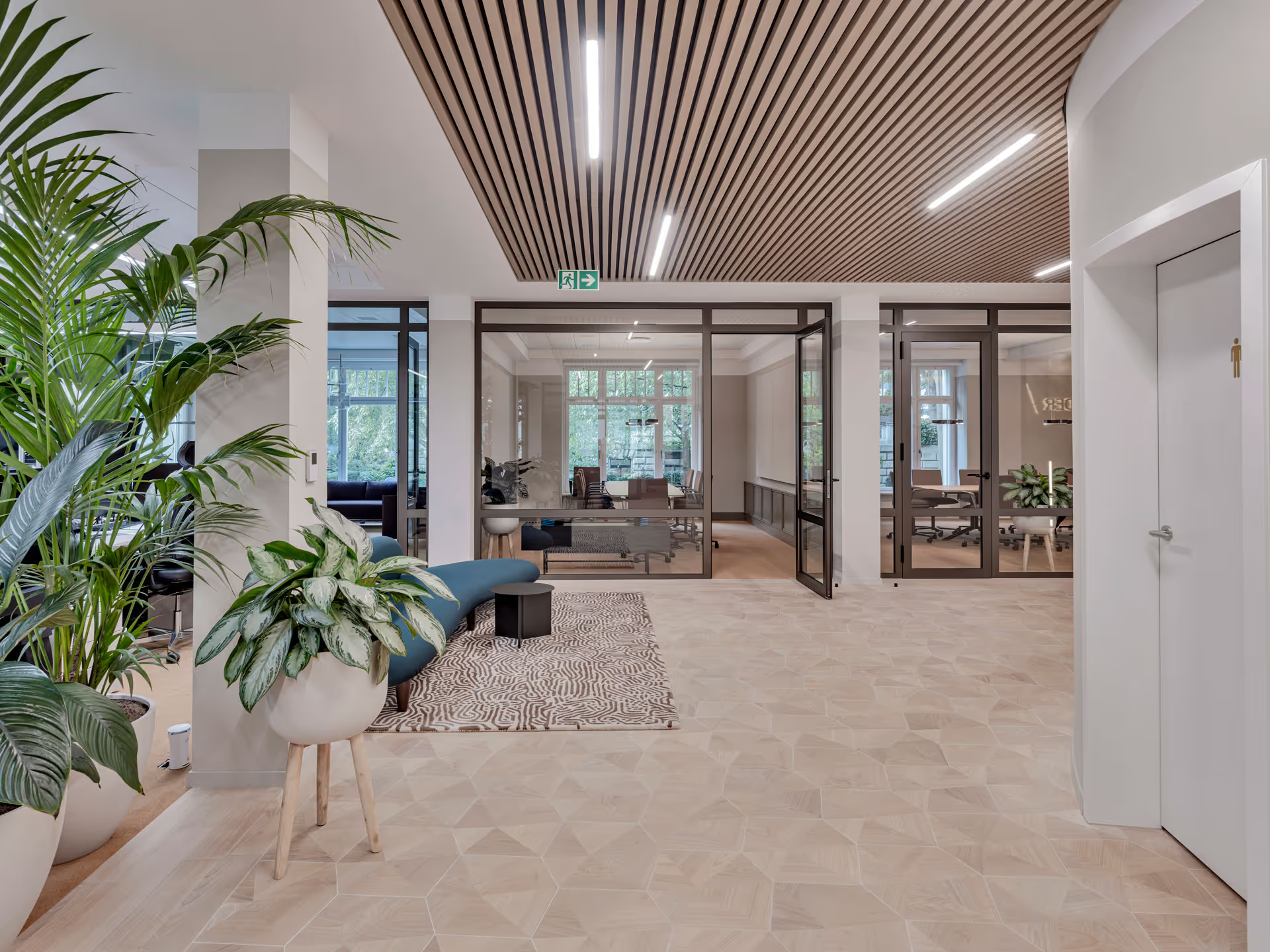

Yes. Its natural habitat includes shaded forest floors, which makes it a strong performer in offices with limited daylight or predominantly indirect light.
It can produce small, pale flowers during the summer months, although they tend to be discreet. The foliage remains the main visual focus in indoor environments.
Mature plants can reach 60 to 90 cm depending on conditions. In offices they often stay more compact, maintaining a medium sized silhouette that suits desks, corners and shared zones.
The plant contributes to indoor humidity through its evaporation rate. While it does not replace ventilation systems, it supports more balanced indoor air conditions through gentle moisture release.
It originates from tropical and subtropical regions across Asia and New Guinea. These origins explain its preference for indirect light, warm conditions and a calm environment with moderate humidity.