Learn more

Learn more
Learn more
Tetrastigma voinierianum
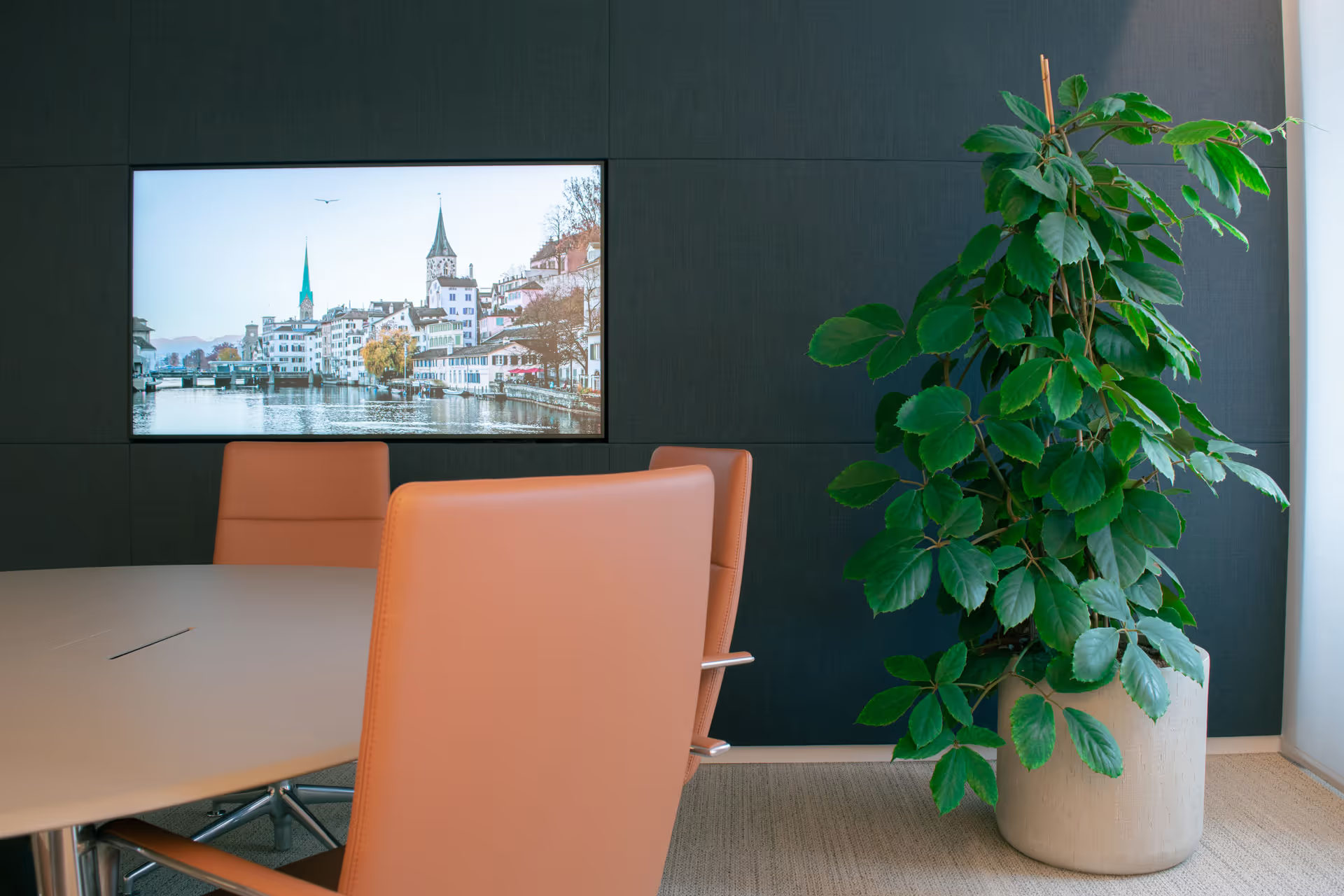

Why the Tetrastigma voinierianum makes a great office plant
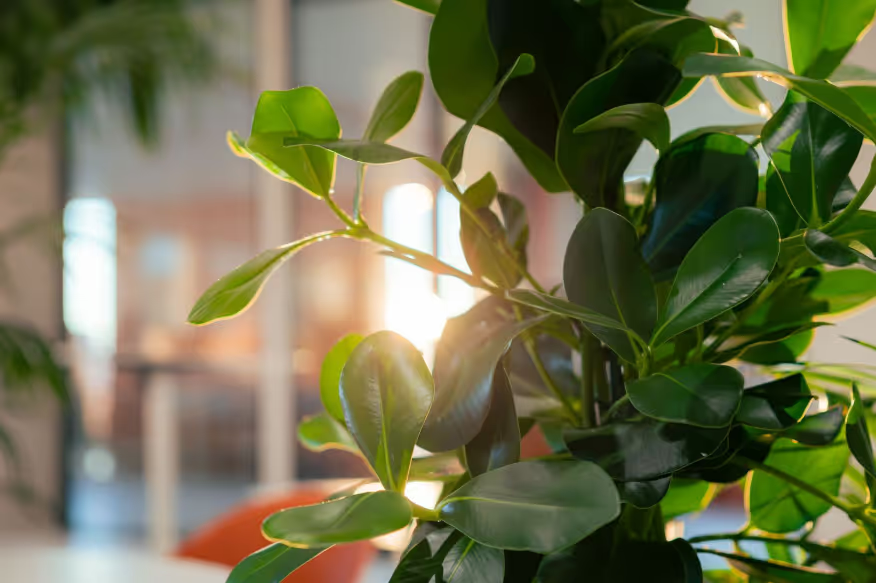
The Tetrastigma voinierianum brings a bold, sculptural presence to contemporary workspaces. With its glossy, deep green leaves and generous heart-shaped silhouettes that can reach up to 60 centimeters in diameter, the plant carries an elegance that instantly reshapes the atmosphere of a room. There is something naturally architectural about its form. Even when tamed indoors, the plant hints at its climbing ancestry with confident, woody stems that quietly frame corners, soften edges, and lend height where interiors often feel flat. Its suitability for office environments lies in its ability to adapt seamlessly to the calm, consistent rhythms typical of modern workplaces.
All you need to know about the Tetrastigma voinierianum
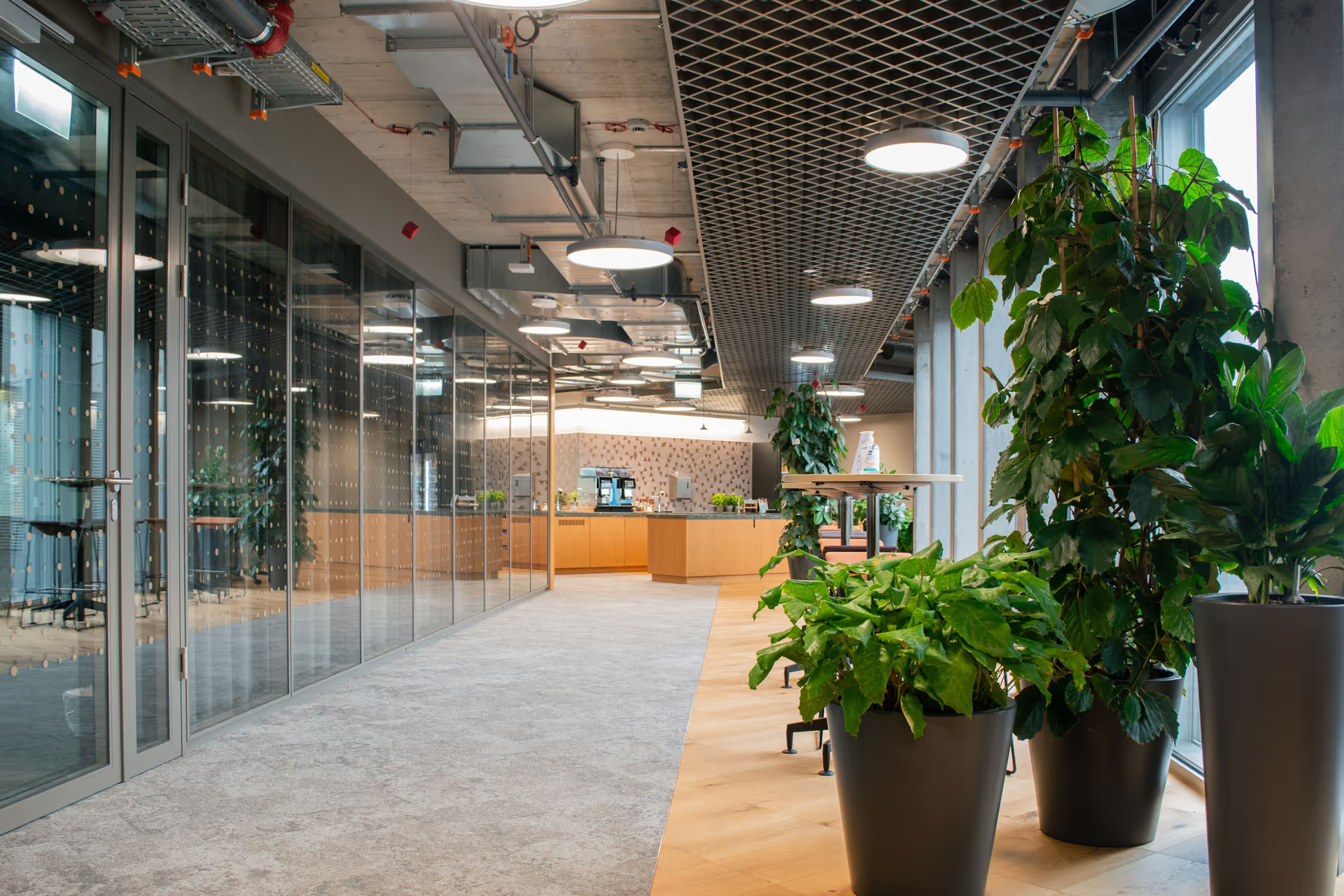
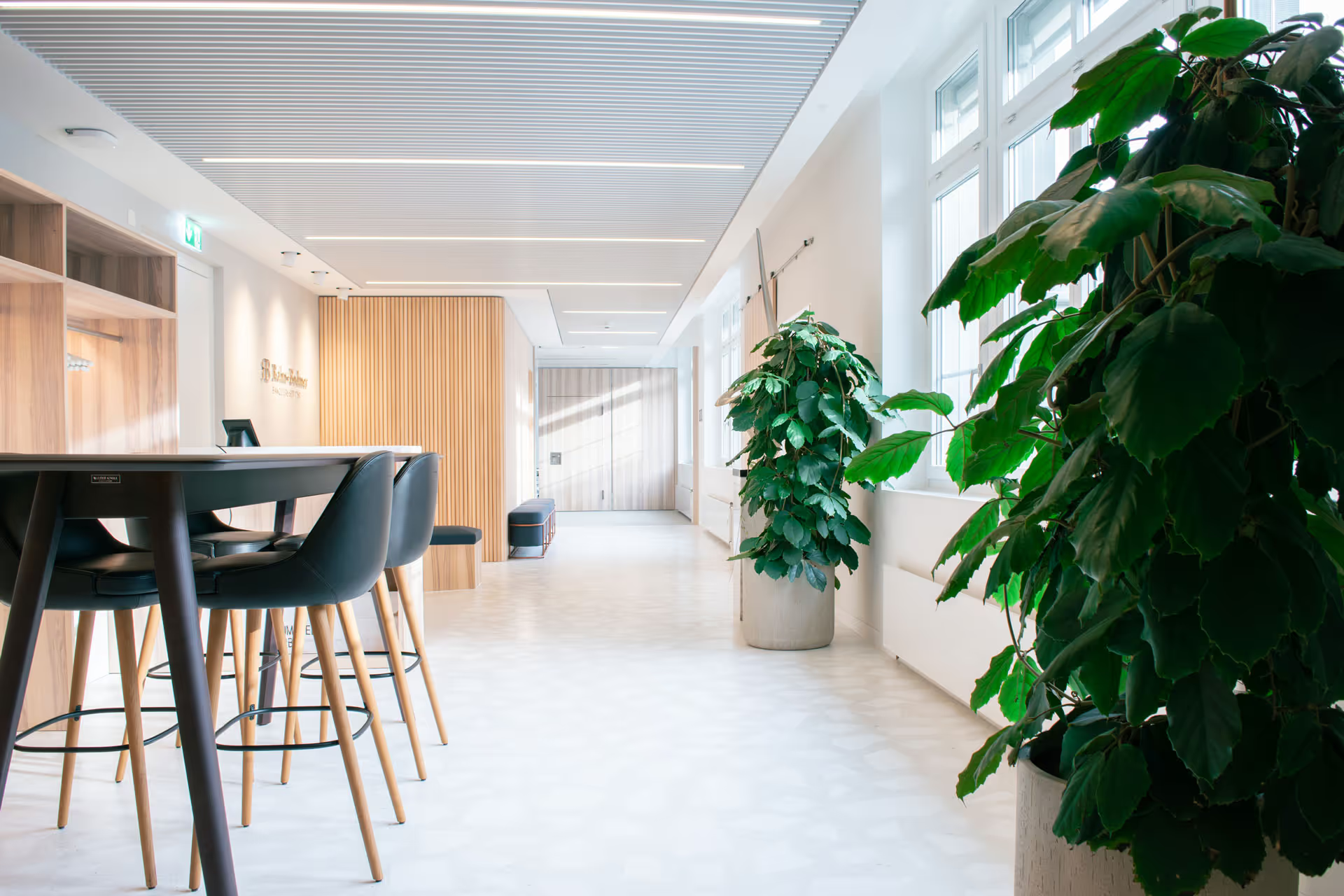
The Tetrastigma voinierianum thrives in bright yet indirect light, a condition commonly found near office windows where sunlight is softened by blinds or surrounding buildings. Temperatures between 18 and 24 degrees Celsius, a range mirrored by most indoor climate systems, allow this species to settle in without fuss. As a non-blooming, evergreen species, it offers an allergy-friendly presence without producing pollen. Its growth is steady but unobtrusive, making it suitable for open-plan zones, creative studios, or transitional areas where lush greenery contributes to zoning without overwhelming sightlines.
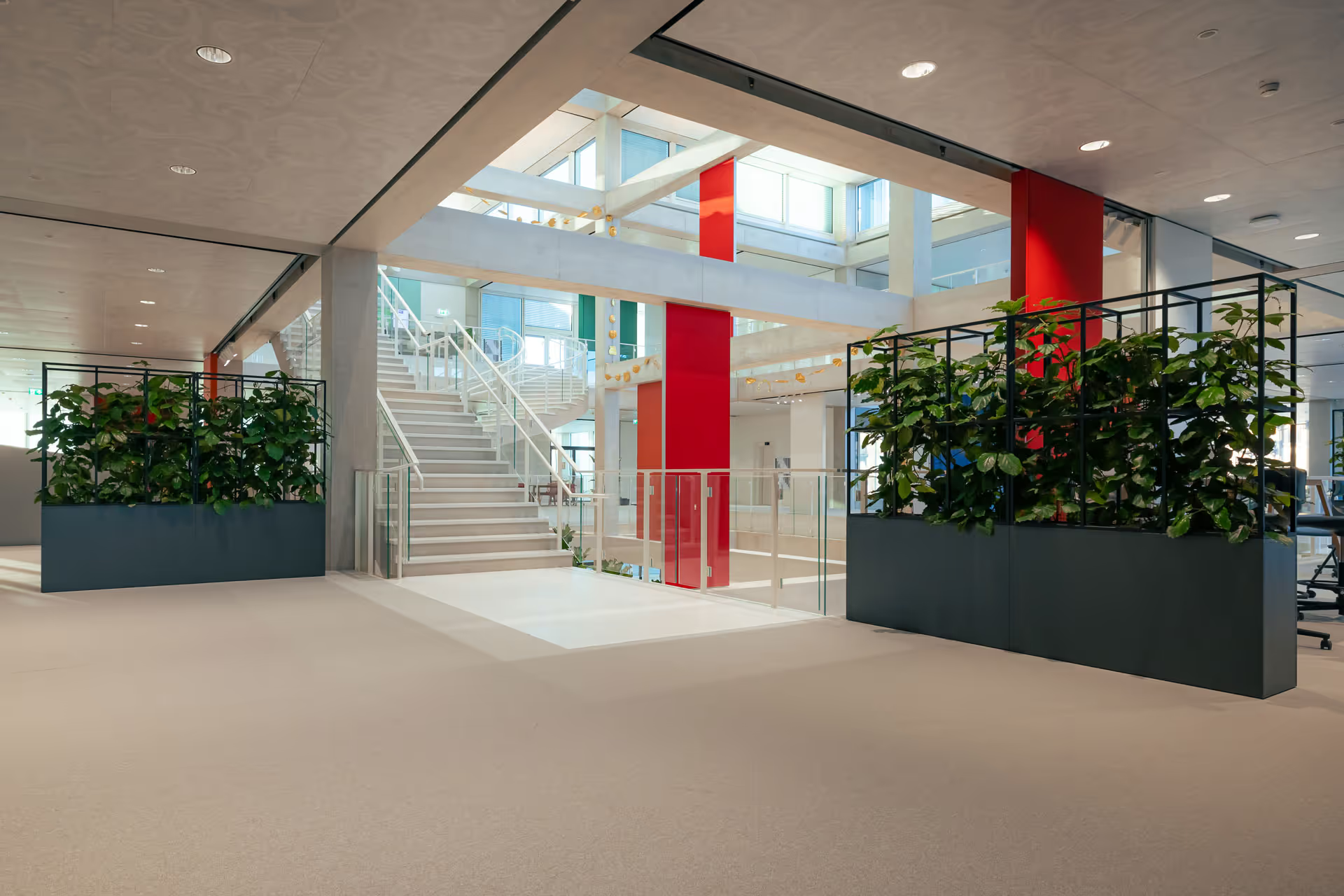
Thanks to its climbing nature, the Tetrastigma can even be guided onto discreet support structures, turning it into a subtle room divider that adds privacy with a refined, botanical touch. Combined with its dark, saturated leaf color and generous canopy, it effortlessly elevates the workspace aesthetic while contributing to a calmer, more biophilic environment.
In its native regions of Laos and Vietnam, the Tetrastigma voinierianum grows along forest edges and lightly vegetated open areas where sunlight is filtered but not intense. This ecological background gives the plant a natural affinity for bright shade and protects it from harsh, direct light. Indoors, similar conditions allow the leaves to maintain their distinctive sheen and vibrant green tint.
Under what conditions does the Tetrastigma voinierianum?
Watering
The plant should be watered in a way that allows the soil to remain evenly moist during active growth. It should be ensured that excess water can drain away easily to avoid waterlogging, as the species benefits from a substrate that dries slightly between waterings.
Fertilizing
During the growth period, the plant should be supplied with balanced nutrients at regular intervals. This supports the development of its expansive leaf surface and its climbing, woody stems. It should be ensured that the fertilizing rhythm remains consistent with the plant’s natural growth phases.
Cutting
Pruning should be carried out both to maintain the plant’s desired shape and to control the energetic growth of its runners. Cutting encourages denser foliage and ensures that the plant remains harmonious within the architectural lines of the workspace.
Other Care
It should be ensured that the plant is placed in well-drained soil, reflecting the loose, permeable substrate of its native environment. The plant should also be monitored for dry air conditions, as stable humidity supports leaf vitality and prevents stress on its climbing stems.
How much water is evaporated by the Tetrastigma voinierianum?
“Using research, real life tests, and office air quality data, we approximate the effect of different plant species. Of course, the actual effect can vary depending on things like room conditions and the plant’s overall health.” Georges, Data Project Manager
The Tetrastigma voinierianum, with its lush leaf surface of 0.638 square meters, contributes a measurable effect to indoor air quality through natural water vapor release. At a height of 125 centimeters and a width of 40 centimeters, the plant evaporates around 1.1 liters of water per month. This places it in a moderate yet impactful category.
To give this value context, a mature Howea forsteriana of 1.90 meters height and 0.7 meters width evaporates approximately 2.1 liters monthly. While the Tetrastigma is more compact, its broad, deep green leaves allow it to perform efficiently relative to its size. This makes it a meaningful contributor to indoor humidity balance, especially in modern office buildings where mechanical ventilation often leads to dry indoor air.
An average Tetrastigma voinierianum in numbers
Height: 125 cm
Width: 40 cm
Leaf surface: 0.6 m²
Monthly water evaporation: 1.1 l
The plant prefers bright indirect light but tolerates shaded locations well. While it does not thrive in deep shade, offices with filtered daylight provide suitable conditions.
No, it is a non-blooming species in indoor environments. This makes it an excellent choice for allergy-sensitive spaces and shared work areas.
In nature, it is known for rapid climbing growth. Indoors, the growth is steadier, with new stems and leaves appearing regularly when conditions are optimal.
Yes, thanks to its climbing habit and generous foliage. With the right support structures, it creates soft green partitions that enhance visual privacy.
Its large glossy leaves, sculptural stems, and ability to adapt to typical office temperatures make it both decorative and functional. It also contributes to improved air quality through steady water vapor release.