Learn more

Learn more
Learn more
Sustainability as Circular Economy and Eco-Friendly Plant Maintenance in the Office
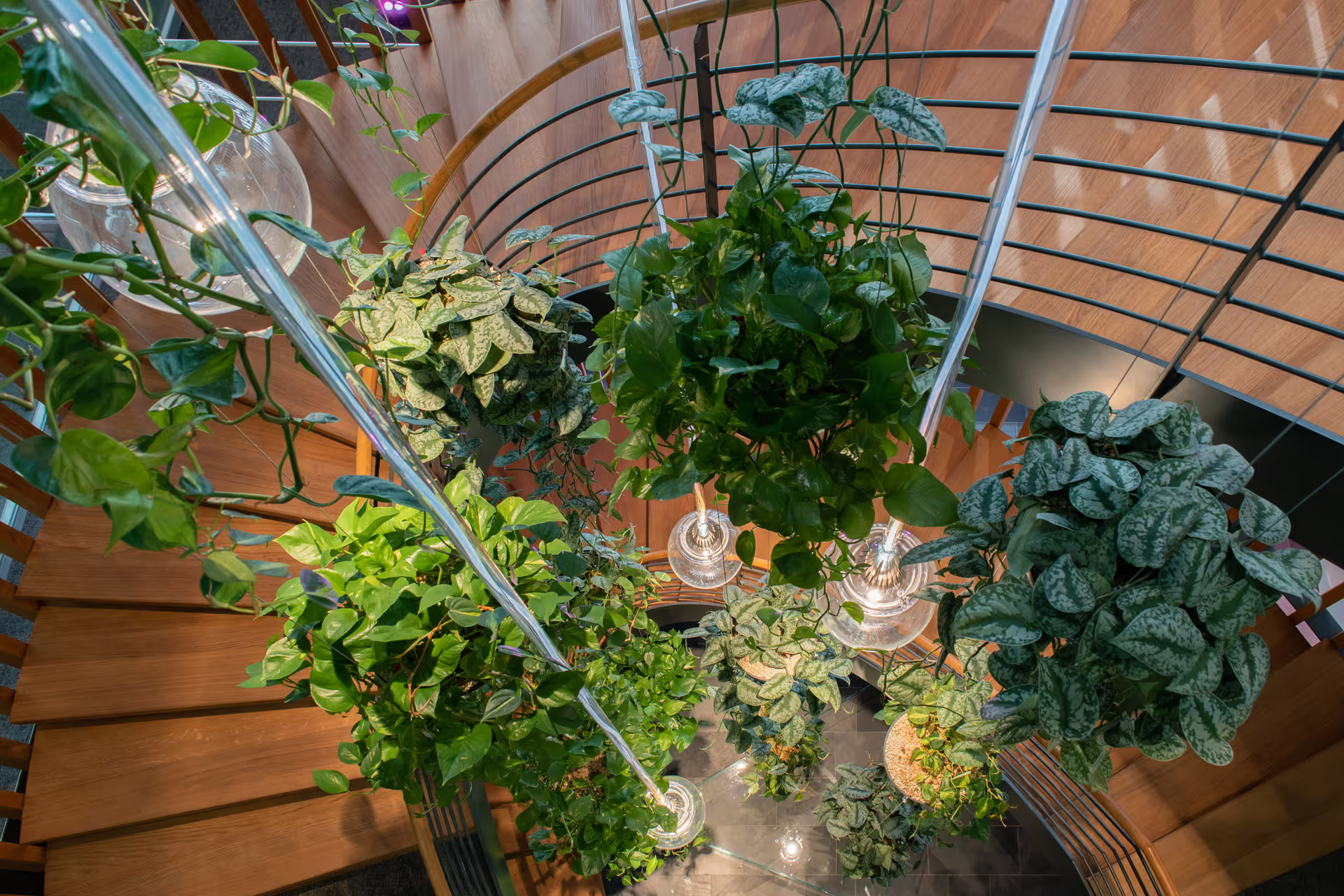


Sustainability You Can Actually See
Most companies reduce their environmental impact through renewable energy, waste management or lower emissions. These steps matter, and they deserve to be pursued. Yet they rarely happen where anyone can see them. A sustainability report might state that a company prevented several tons of CO₂ from entering the atmosphere last year, but for most people reading it, that figure stays abstract. It is hard to picture what a ton of carbon actually looks like inside an office.
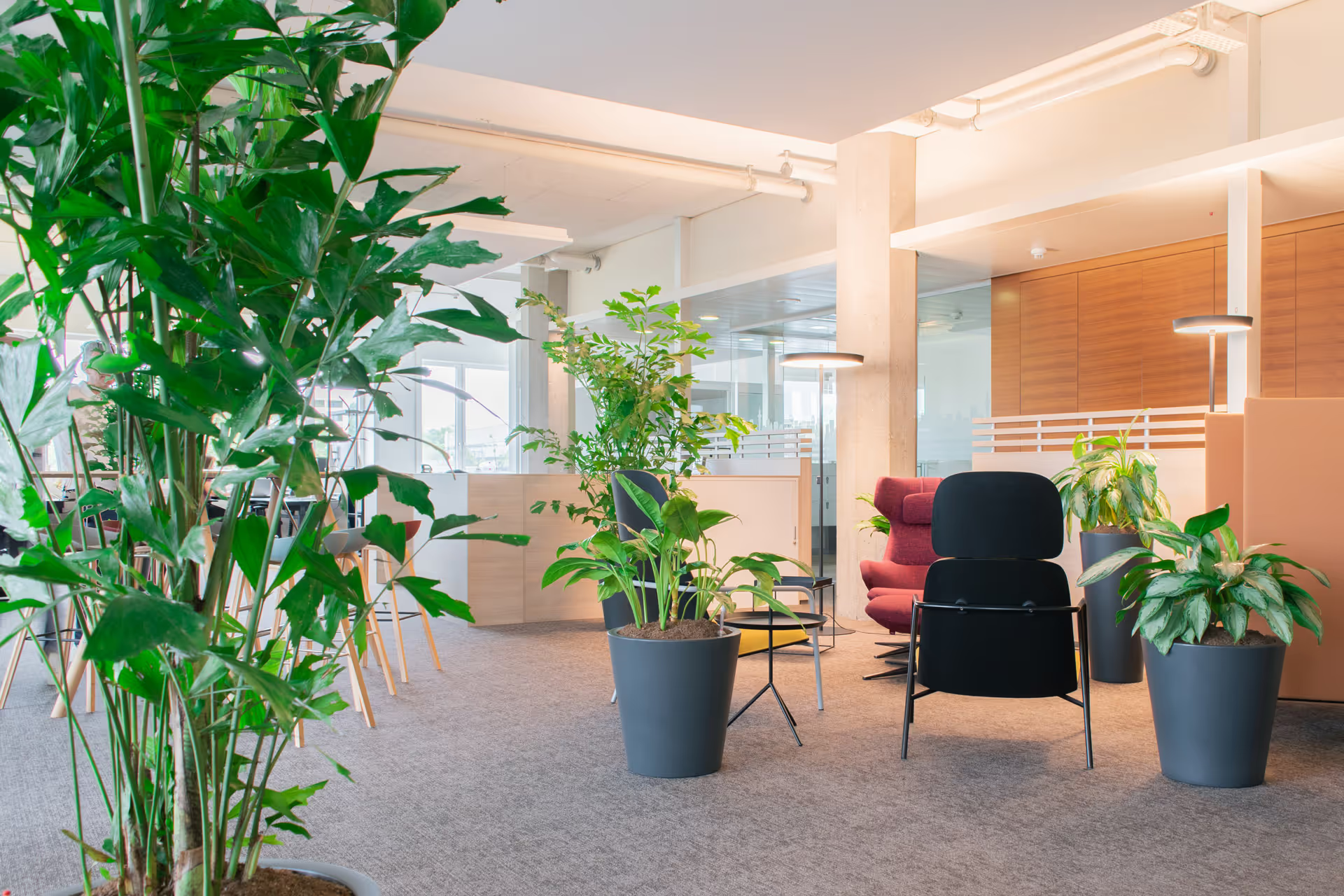
The Visible Side of Sustainability
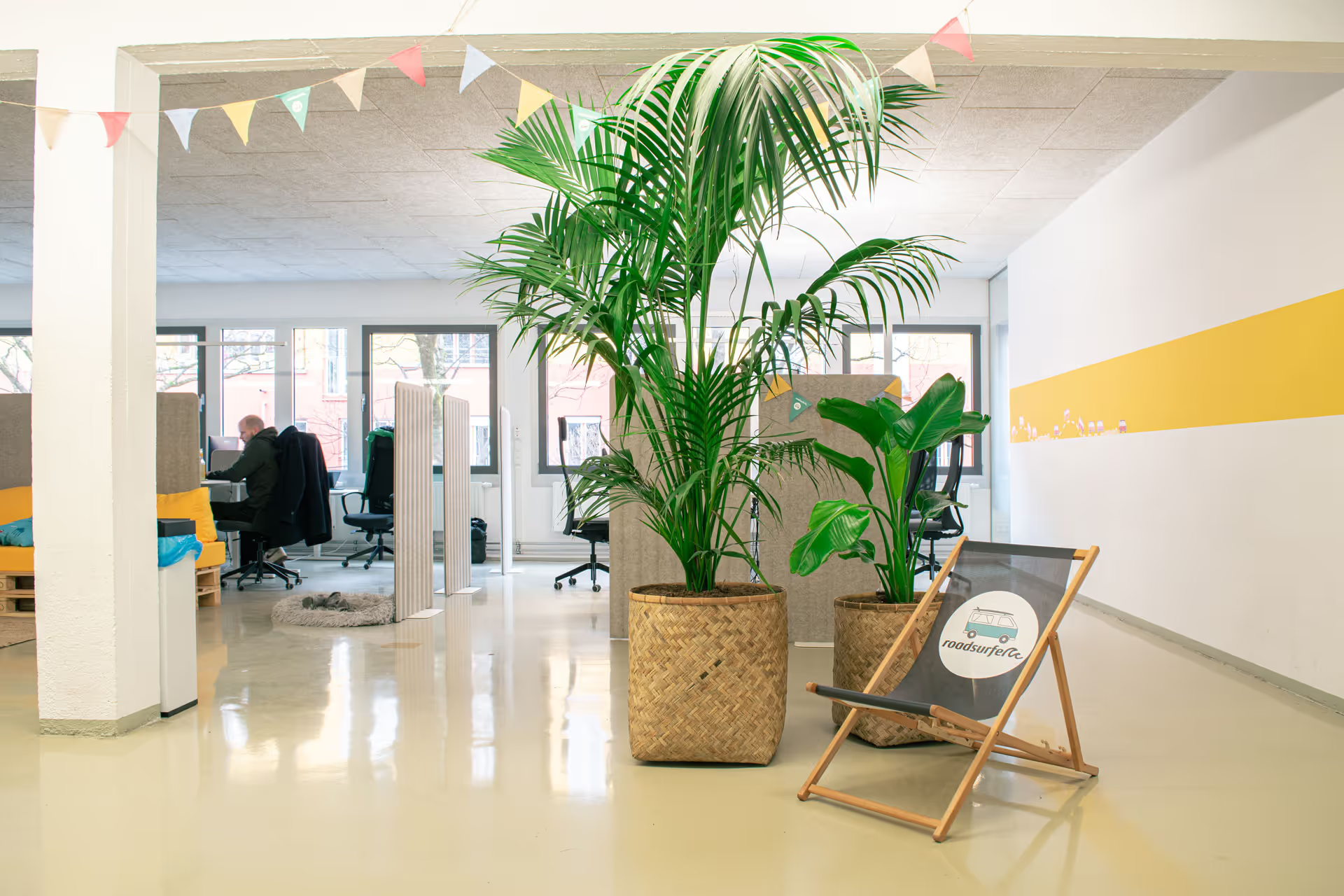
Greenery works differently. It does not replace the sustainability work already happening in the background, it sits alongside it, in a form people experience every day rather than read about once a year. Walk into an office filled with healthy, thriving plants, and you notice something beyond good design or comfort: a sign that care for the environment extends into the building itself. Done properly, that greenery also opens the door to real circular economy practices.
Choosing Wisely From the Start
Sustainable plant care begins before a single plant arrives on site. It means selecting species that genuinely suit the light and layout of a space, so they thrive rather than struggle and need replacing early. It means sourcing from suppliers who follow international standards, and caring for plants with products that are as natural and organic as possible. Even the pots deserve attention: their material and production have a real effect on the overall footprint of a plant concept, and are one of the most overlooked details in office greening.
How the Loop Actually Closes
Professional maintenance is where this approach becomes measurable. It starts with a design team planning each concept around a room's light and layout, so plants are set up to succeed rather than merely survive. But even a well-placed plant does not stay in the same spot forever. When a plant outgrows its pot, or a space no longer suits it, our team collects it and runs a quality check on the plant and the pot separately, since each follows its own path back into use.
A pot in good condition goes straight back into a new office. A plant in good health does too. Anything that falls short of perfect but is still alive, whether that is the pot or the plant, moves on through Brocki, our network of local second-hand plant shops, so it finds a new home rather than a skip, and gives a small boost to local businesses along the way.
Only plants that are genuinely sick or beyond saving leave the loop for good, and even then, nothing goes to waste. We work with two specialist partners to close it properly. AXPO breaks the plant material down through fermentation into energy, biogas and fertiliser. The biogas goes on to fuel vehicles and heat homes, while the fertiliser helps grow the next generation of plants, which eventually make their way into new office concepts, bringing the loop full circle. Zirkulit takes the CO₂ released in that same process and locks it permanently into recycled mineral waste used in circular construction, so that carbon never makes it back into the atmosphere.
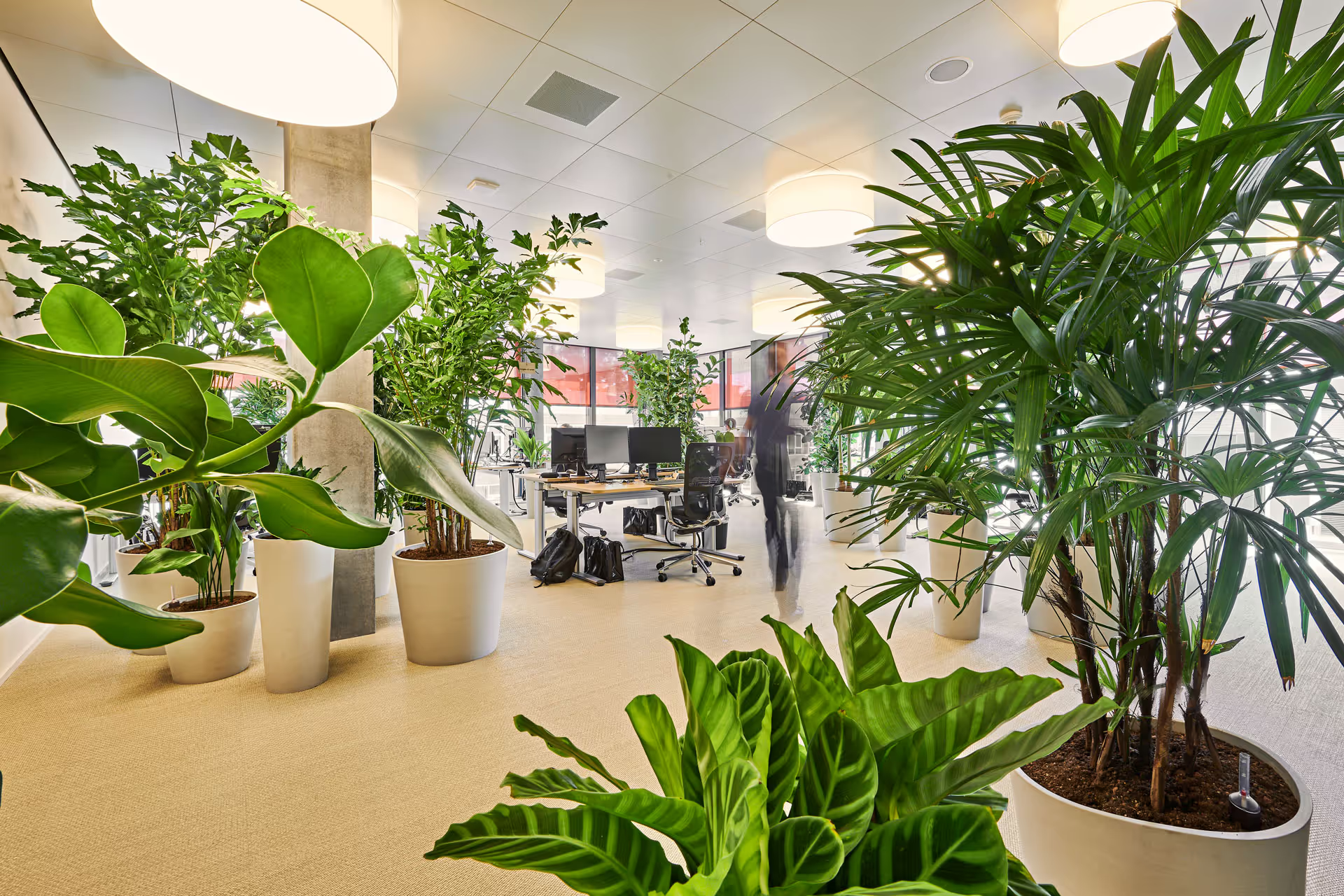
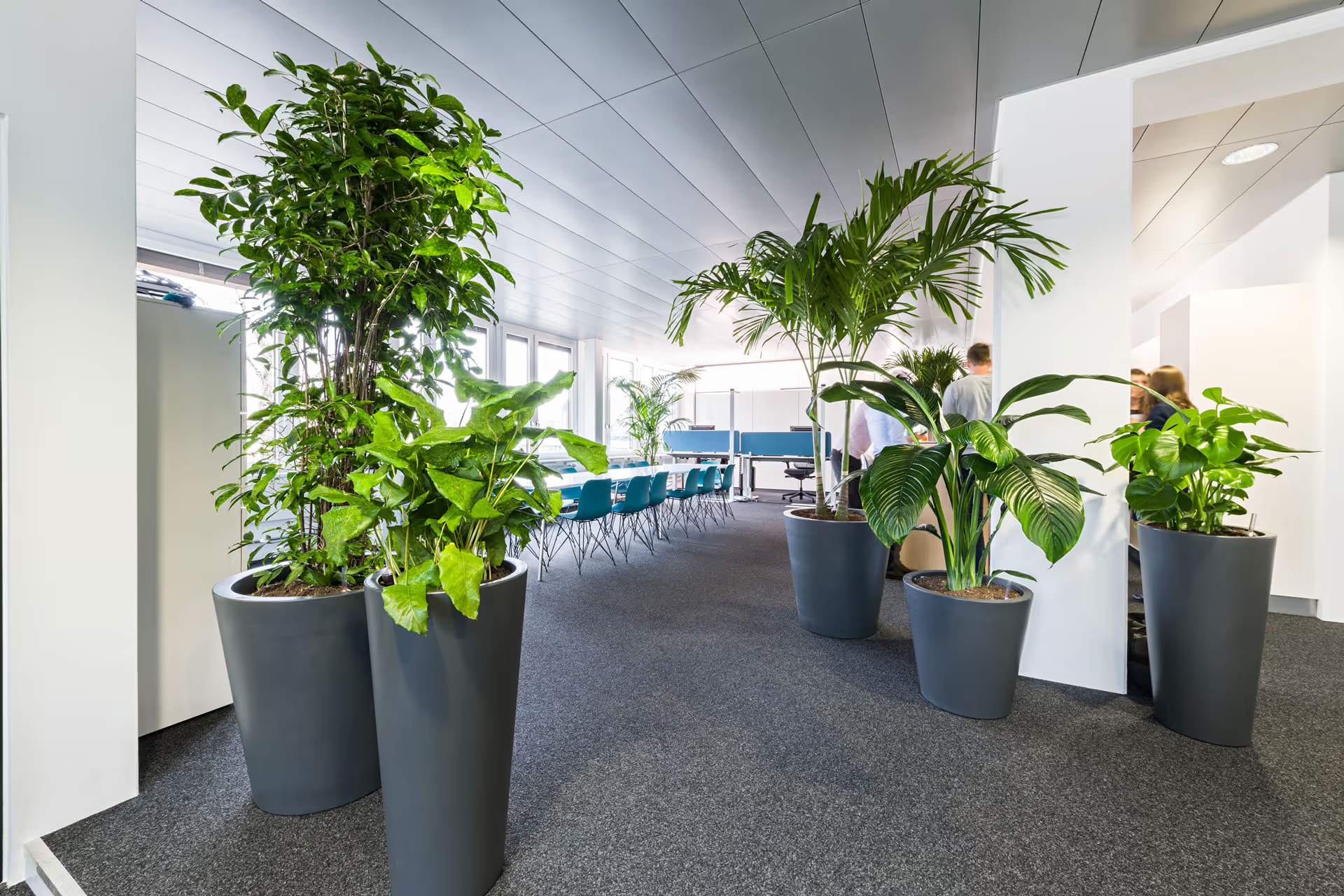
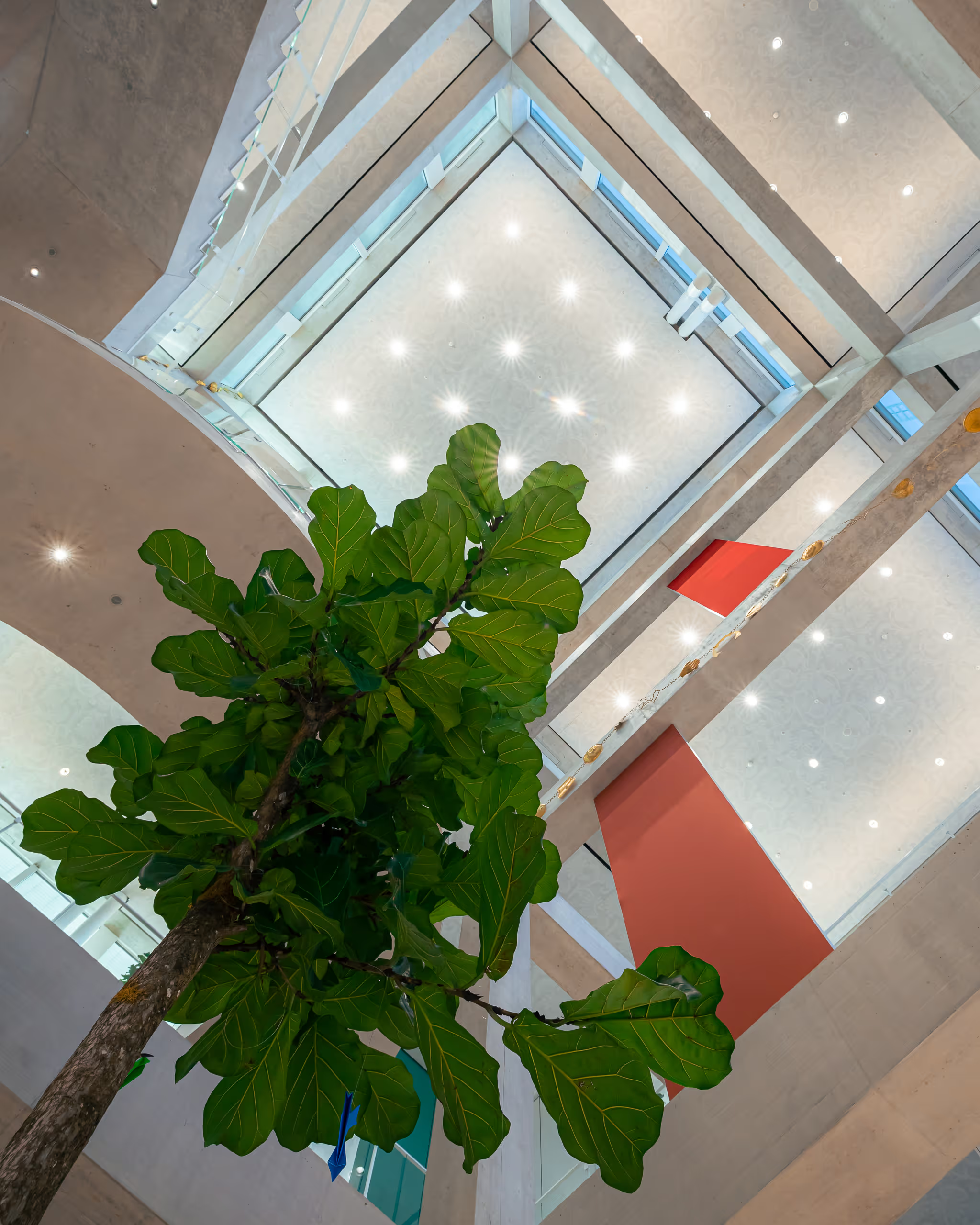
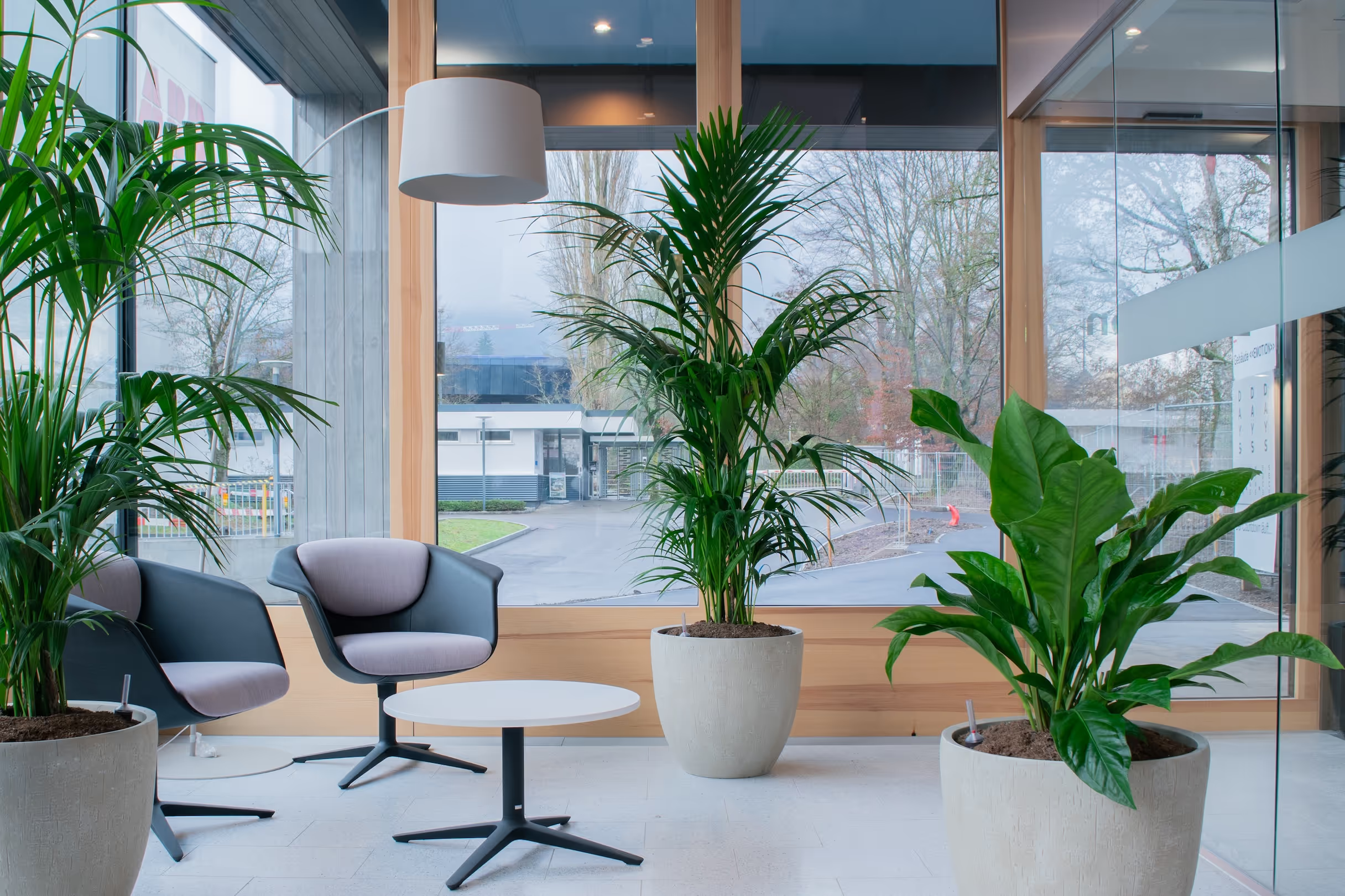
It starts with choosing species that genuinely suit the light and layout of the space, so they thrive rather than struggle. Proper ongoing care then keeps plants healthy for longer, and sourcing from suppliers who follow international standards ensures quality is never an afterthought. Even small details matter, such as pots made from responsible materials and natural, organic care products wherever possible.
A trained design team plans each concept around the light and layout of the room, so plants are set up to succeed from day one. Ongoing professional care follows a reduce, reuse, recycle approach: fewer plants need replacing, healthy plants are reused in new projects, and those that no longer fit an office move on to local second-hand shops. Anything that cannot be saved is recycled into biogas rather than sent to waste.
Pots are easy to overlook, but their material and production shape the footprint of a plant concept just as much as the plant itself. We favour materials that are durable and responsibly sourced, built to be reused across projects rather than replaced. A well-chosen pot can outlast several plants, making it one of the quieter but more effective decisions in sustainable office greening.
Many certifications reward measures that support employee health and well-being, and office greenery does exactly that by helping people feel calmer and more productive. Plants also support indoor air quality, easing the load on ventilation systems and helping maintain healthy humidity without relying on electronic humidifiers. Paired with indoor air quality sensors and our OxygenX software, businesses gain the data many certification schemes look for.
Not necessarily. Because circular care extends the working life of plants and pots rather than replacing them, it often reduces costs over time rather than adding to them. The greater investment sits at the planning stage, choosing the right species and materials from the outset, which pays off through fewer replacements and less waste later on.
Using tiny beneficial insects to control pests naturally is hard to beat. It avoids harmful chemicals entirely, and the insects are far too small to be noticed by anyone working nearby. It is a good example of sustainable solutions being effective and completely unobtrusive at the same time.