Learn more

Learn more
Learn more
Schefflera actinophylla 'Amate'
Warum die Schefflera actinophylla 'Amate' eine hervorragende Büropflanze ist
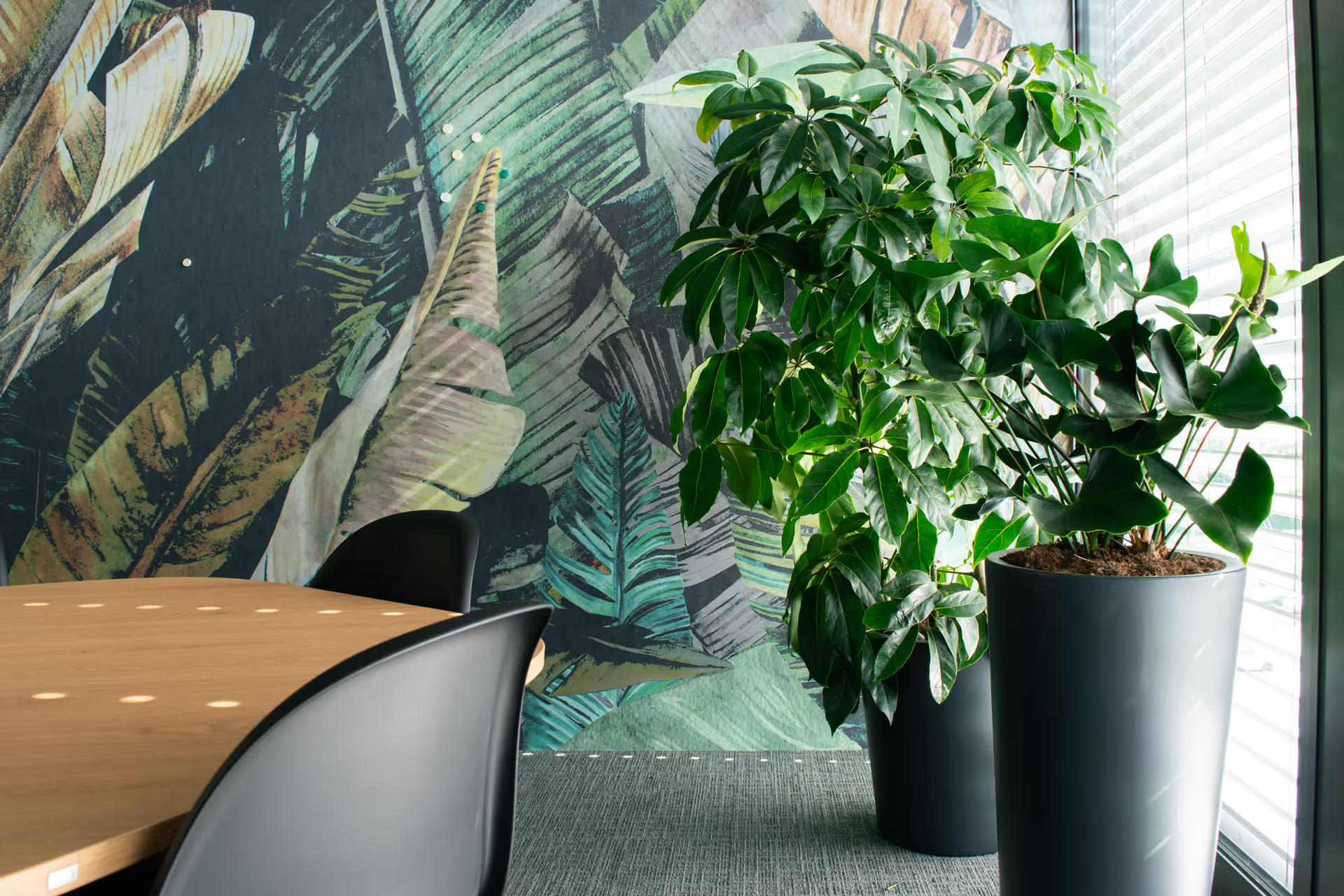
Die Schefflera actinophylla ‘Amate’ besitzt eine unwiderstehliche Theatralik. Ihr hoher, schlanker Wuchs und die glänzenden, schirmartigen Blätter verleihen ihr eine dezente Ausstrahlung, die ein Büro aufhellt, ohne jemals die Show zu stehlen. Die Blattgruppen von 7 bis 16 Fiederblättchen bilden elegante grüne Wirtel, wobei jedes auf seine eigene Weise das Licht einfängt.

Wissenswertes über die Schefflera actinophylla 'Amate'
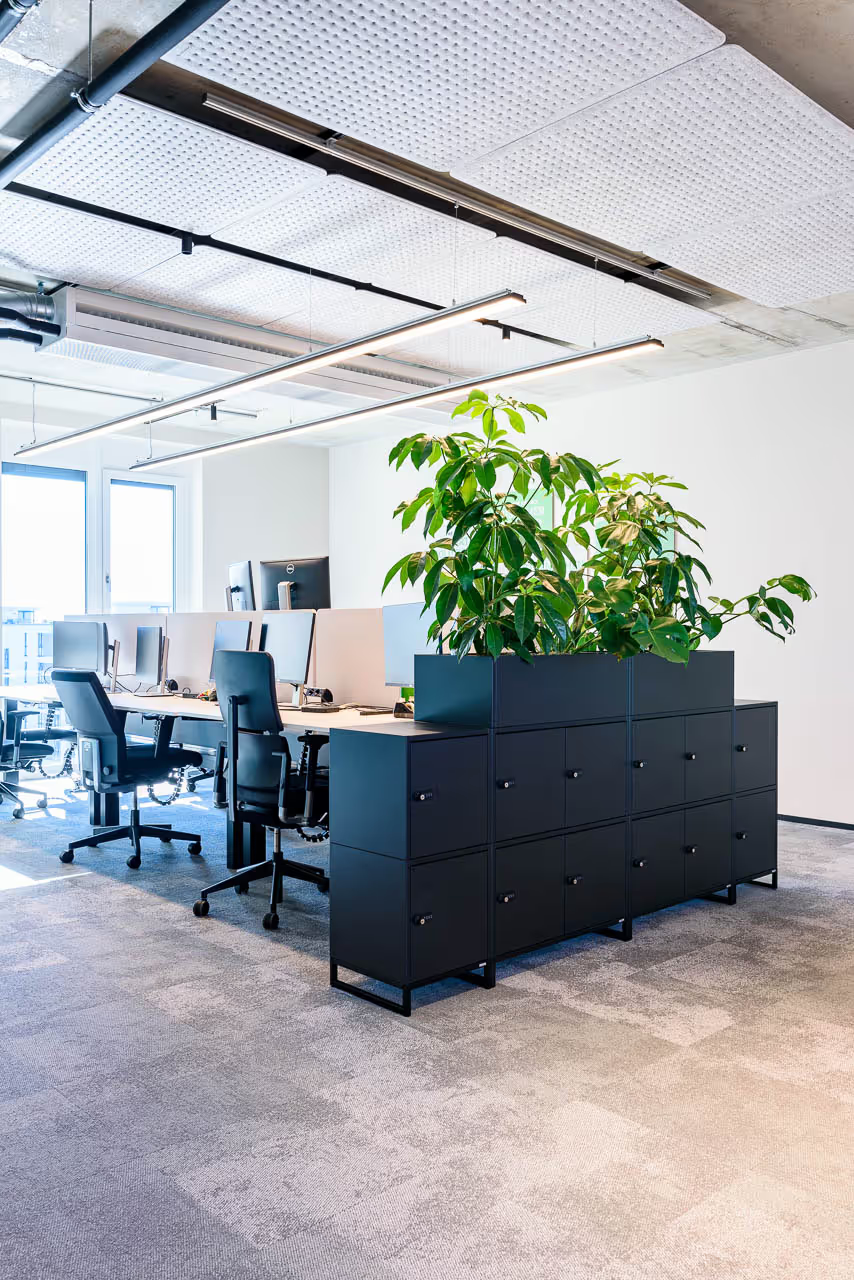
Im Kontext der Bürobegrünung ist die ‘Amate’ eine Pflanze, die den Raum sanft und selbstbewusst ausfüllt. Mit einer Höhe von etwa 150 Zentimetern und einer Breite von 60 Zentimetern fügt sie sich mühelos in Ecken und neben Schreibtische ein. Sie schafft vertikale Akzente, ohne viel Bodenfläche zu beanspruchen, was sie zu einer cleveren Wahl für moderne Arbeitsumgebungen macht. Die Blattfarbe – ein sattes, ausgewogenes Grün – kommt wunderschön zur Geltung vor minimalistischen Interieurs oder warmen Naturmaterialien. Was sie besonders gut für Büros geeignet macht, ist ihre ruhige Anpassungsfähigkeit. Die Schefflera actinophylla ‘Amate’ gedeiht zuverlässig unter typischen Innenraumbedingungen, selbst wenn das Licht nicht am hellsten ist. In der Natur gedeiht die Pflanze im gefilterten Licht australischer Regenwälder, und dieses Erbe führt zu einer beeindruckenden Widerstandsfähigkeit in Unternehmensumgebungen. Sie wächst in einem stetigen, unaufgeregten Rhythmus, ohne Pollen oder Duftstoffe, was eine angenehme Atmosphäre für empfindliche Mitarbeiter gewährleistet. Ihre Struktur ist auch ideal für eine subtile Raumgliederung. Eine Gruppe von Scheffleras kann einen Besprechungsbereich leicht umrahmen oder den Weg zu einer Pausenzone auflockern. Als Solitärpflanze bietet sie eine skulpturale Präsenz, die sich sowohl natürlich als auch kuratiert anfühlt. Für Arbeitsplätze, die biophiles Design umsetzen, wird die ‘Amate’ zu einer unaufdringlichen, aber effektiven Brücke zwischen menschlicher Aktivität und dem beruhigenden Einfluss des Grüns.
Unter welchen Bedingungen gedeiht die Schefflera actinophylla 'Amate'?
Bewässerung
Die Pflanze sollte regelmässig gegossen werden, wobei das Substrat gleichmässig feucht gehalten wird. Es ist darauf zu achten, dass kein Wasser im Topf verbleibt, da Staunässe zu Wurzelstress oder Fäulnis führen kann.
Düngung
Während ihrer aktiven Wachstumsphasen sollte die Pflanze in kontrollierten Abständen mit ausgewogenen Nährstoffen versorgt werden. Die Düngung sollte eine stetige Entwicklung fördern, ohne übermässiges Längenwachstum zu begünstigen.
Rückschnitt
Gelegentliches Formen kann erforderlich sein. Der Schnitt sollte selektiv erfolgen, um eine harmonische Form zu erhalten und den natürlichen aufrechten Wuchs der Pflanze zu unterstützen.
Weitere Pflege
Es ist darauf zu achten, dass das Raumklima eine gesunde Luftfeuchtigkeit aufweist. Ein stabiler Temperaturbereich trägt massgeblich zu ihrer Widerstandsfähigkeit bei. Die Pflanze kann auch von einer regelmässigen Kontrolle der Blätter auf Staub profitieren, da saubere Blattoberflächen ihre physiologischen Prozesse unterstützen.
Wie viel Wasser verdunstet die Schefflera actinophylla 'Amate'?
„Basierend auf Forschungsergebnissen, Praxistests und Daten zur Büroluftqualität schätzen wir die Wirkung verschiedener Pflanzenarten ab. Selbstverständlich kann die tatsächliche Wirkung je nach Faktoren wie Raumbedingungen und dem allgemeinen Gesundheitszustand der Pflanze variieren.“ George, Daten Projekt Manager
Die Schefflera actinophylla ‘Amate’ ist nicht nur ästhetisch ansprechend. Sie trägt durch natürliche Wasserverdunstung massgeblich zur Verbesserung der Raumluftqualität bei. Mit einer gemessenen Höhe von 150 Zentimetern und einer Blattoberfläche von 0,878 Quadratmetern, verdunstet die Pflanze etwa 1,5 Liter Wasser pro Monat. Diese Verdunstung erhöht auf subtile Weise die Luftfeuchtigkeit in trockenen Büroumgebungen, insbesondere während der winterlichen Heizperioden.
Um diese Zahlen greifbarer zu machen, betrachten wir die Howea forsteriana: Mit einer Höhe von 1,90 Metern und einer Breite von 0,7 Metern verdunstet sie typischerweise etwa 2,1 Liter pro Monat. Obwohl die Howea eine etwas höhere Verdunstungsrate aufweist, bietet die Schefflera eine ansprechende Balance aus Grösse, Form und Feuchtigkeitsabgabe, die sich gut in mittelgrosse Bürobereiche einfügt.
Eine durchschnittliche Schefflera actinophylla 'Amate' in Zahlen
Höhe: 150 cm
Breite: 60 cm
Blattoberfläche: 0,8 m²
Monatliche Wasserverdunstung: 1,5 l
Die Pflanze passt sich gut an halbschattige Bedingungen an und behält ihr elegantes Laub auch bei schwankenden Lichtverhältnissen. Ihr Ursprung im Regenwald macht sie gut geeignet für Arbeitsbereiche ohne starkes direktes Licht.
Die Pflanze unterstützt die Raumluftfeuchtigkeit durch stetige Wasserverdunstung. Mit etwa 1,5 Litern Verdunstung pro Monat trägt sie zu einem ausgeglicheneren Raumklima bei, besonders in trockenen Jahreszeiten.
Ihr Wachstum ist moderat und vorhersehbar, was sie ideal für strukturierte Innenraumgestaltungen macht. Während sie in der Natur dramatisch wachsen kann, halten Innenraumbedingungen sie kompakt und handlich.
Ja, die Pflanze wird dank ihrer pollenfreien Natur und ihres ruhigen, kontrollierten Wachstums häufig in professionellen Innenräumen eingesetzt. Sie passt gut sowohl in offene Bürolandschaften als auch in fokussierte Arbeitsbereiche.
Mit ihrem aufrechten Wuchs und üppigen Laub unterstützt die Pflanze eine sanfte räumliche Trennung. Designer nutzen sie oft, um weiche Abgrenzungen in flexiblen Bürokonzepten zu schaffen.