Learn more

Learn more
Learn more
3 Best Hanging Plants for Office Spaces
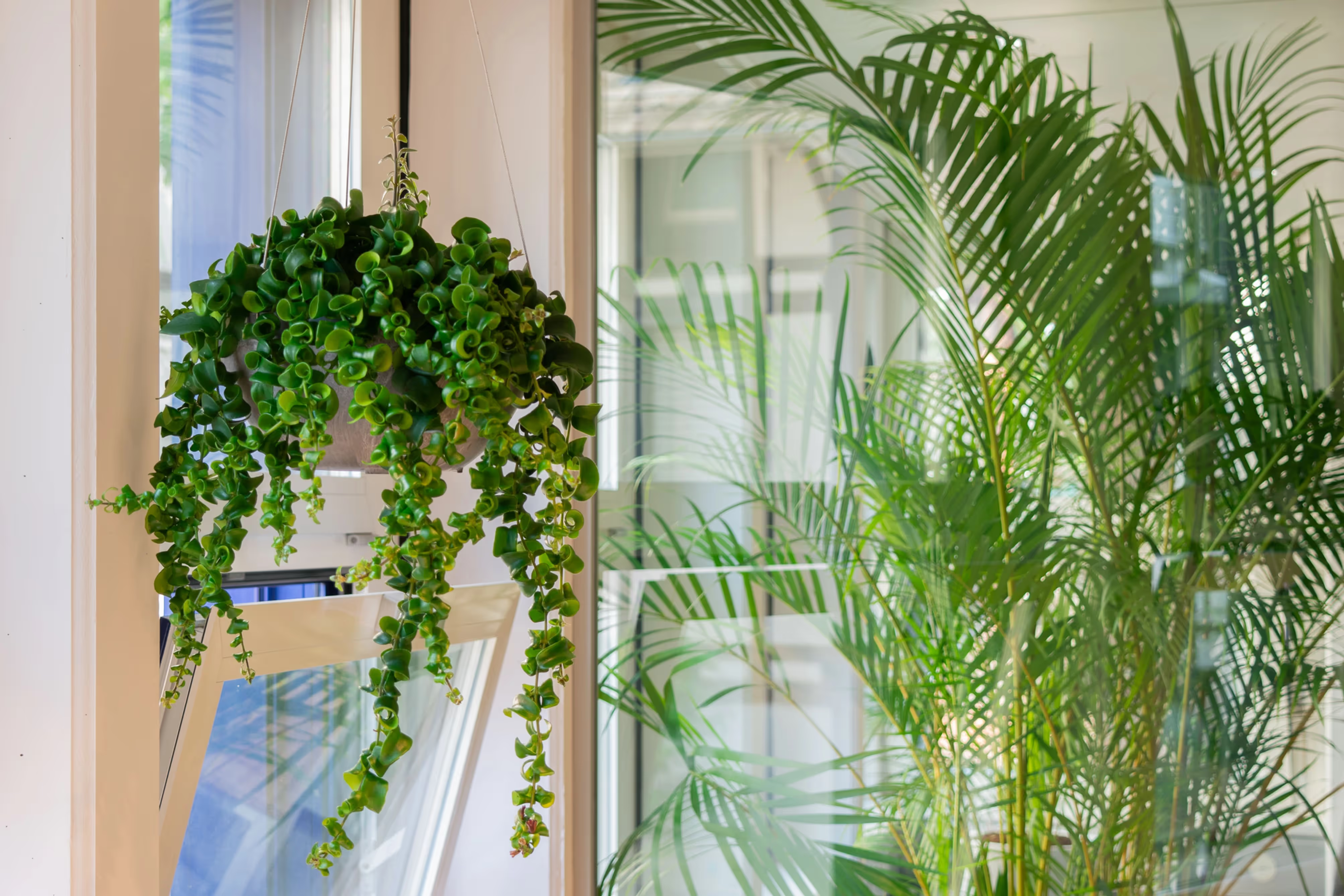
Low Light, Low Effort
Not every office has room on the desk, or the budget for a full living wall. Hanging plants solve both problems at once. Suspended from a ceiling, a shelf, or a simple hook on the wall, they trail downward to form a living curtain that adds greenery without claiming a single square centimetre of floor or desk space. In this article, we look at what makes hanging plants such a natural fit for the modern office, and introduce three low maintenance, low light species worth knowing if you are planning an office plants concept of your own.
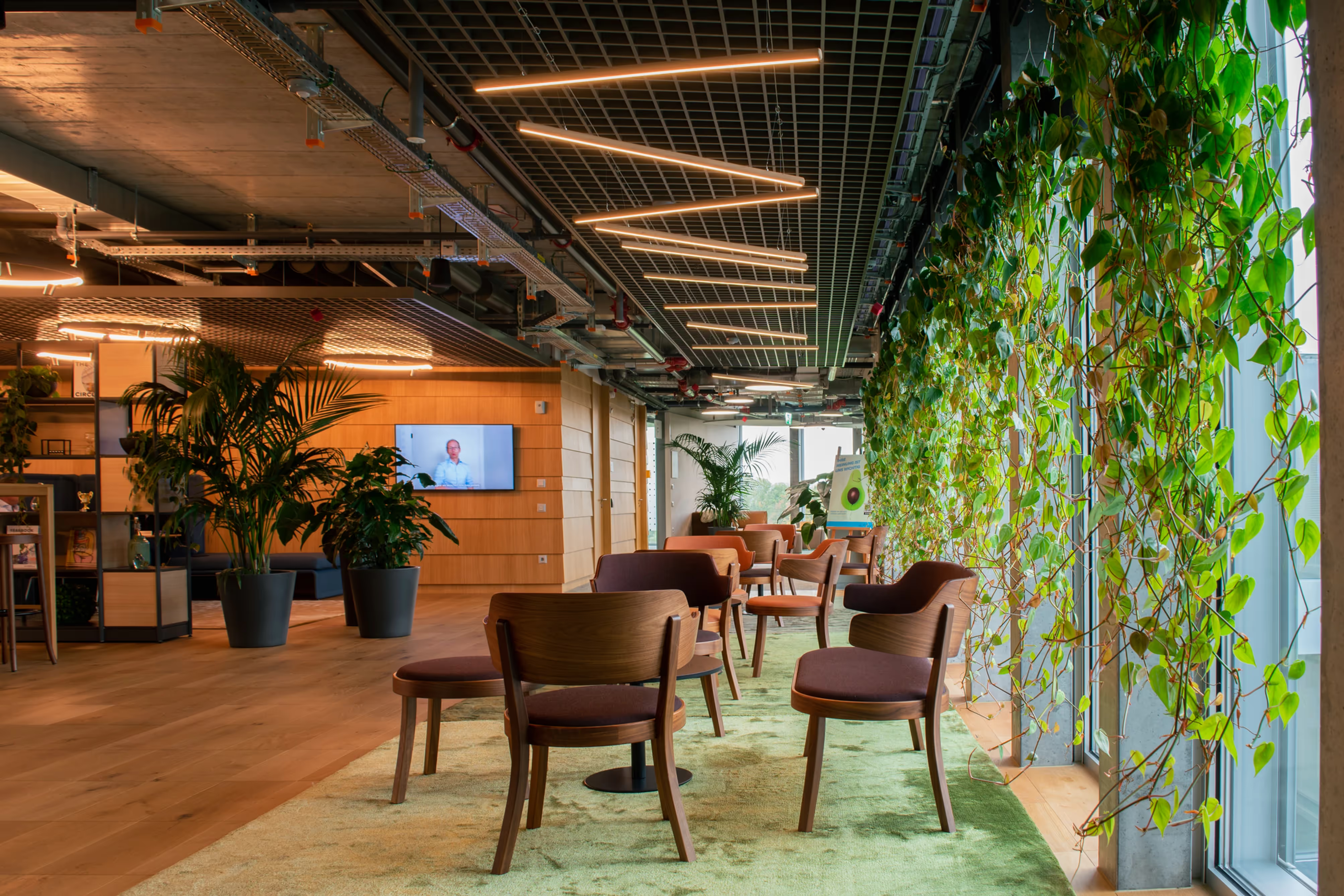
Hanging Plants, Explained
What are hanging plants, and why do they suit the office?
Hanging plants are simply potted plants grown to trail downward from a raised point: a ceiling hook, a wall bracket, a shelf. Left to their own devices, their vines follow gravity, which makes them ideal for living curtains rather than tabletop displays.
This is biophilic design in its most practical form: bringing a piece of the natural world into an urban office. Plants filter airborne pollutants and add humidity to a room, both of which support healthier breathing. Hung in front of a window, they do something a desk plant cannot: they filter direct sunlight, taking the edge off a west facing office on a hot afternoon.
The benefits of hanging plants in the office
Without greenery, an office can start to feel stuffy and impersonal, whether it is a five person startup or an open plan floor shared by hundreds. Finding floor space for a planting concept is not always realistic. Going vertical usually is. A bare wall becomes a green wall the moment you start hanging plants against it.
Natural shade and privacy
Hung directly in front of glass, plants act as a living blind, softening strong sunlight and taking some of the heat out of a sunny office. In buildings with large window walls, such as many of the newer developments around Zurich, this makes a genuine difference to comfort in summer. The same curtain effect works well for screening one workspace from another, without resorting to a partition wall.
Better mental wellbeing
A visible connection to nature, even a single hanging plant by a window, has been shown to support mental wellbeing and help people focus. Our surroundings shape how we feel more than we tend to notice, and a green, living element in the room is one of the simplest ways to make a space feel calmer.
Cleaner air, fewer sick days
Hanging plants filter pollutants and raise humidity in the same way any indoor plant does. In winter, when heated air tends to dry out a room, that extra humidity can help reduce the frequency of colds and sick days across a team.
Three low maintenance hanging plants for your workspace
- Aeschynanthus rasta: Known as the lipstick plant for its bright red flowers against dark green leaves, this is one of the more eye catching hanging species. Given a stable year round office temperature, it will often flower continuously.
- Philodendron scandens: Fast growing and forgiving, philodendron scandens is one of the most reliable hanging plants for an office setting. The Brazil variety brings a lighter, yellow green tone if the classic dark green leaf is not what you are after.
- Scindapsus pictus 'Trebie': Also known as satin pothos, this plant is instantly recognisable by the silver flecks across its leaves. It is a strong choice for offices with limited natural light and holds its own as a statement piece wherever it hangs.
How to build your own plant curtain
- Choose your plants: Match the species to the light the space actually gets, and to how much time your team can realistically give to care. Our plant species overview is a good starting point.
- Hang the fixings: Measure the wall or ceiling span and cut a sturdy string or chain to length. Fix hooks or screws at even intervals so the finished curtain hangs level.
- Attach the pots: Pots with pre drilled holes make this straightforward. Check each plant hangs straight before moving to the next.
- Water on a routine: Consistent watering keeps a plant curtain full and healthy. Irregular watering is the most common reason a hanging plant concept starts to look patchy within a few months.
- Trim as it grows: A quick pass to remove dead leaves and stray vines keeps the curtain looking deliberate rather than overgrown.
- Or let us take care of it: For a plant curtain that always looks its best, our team can design, install, and maintain the concept for you. Get in touch for a custom greening concept.
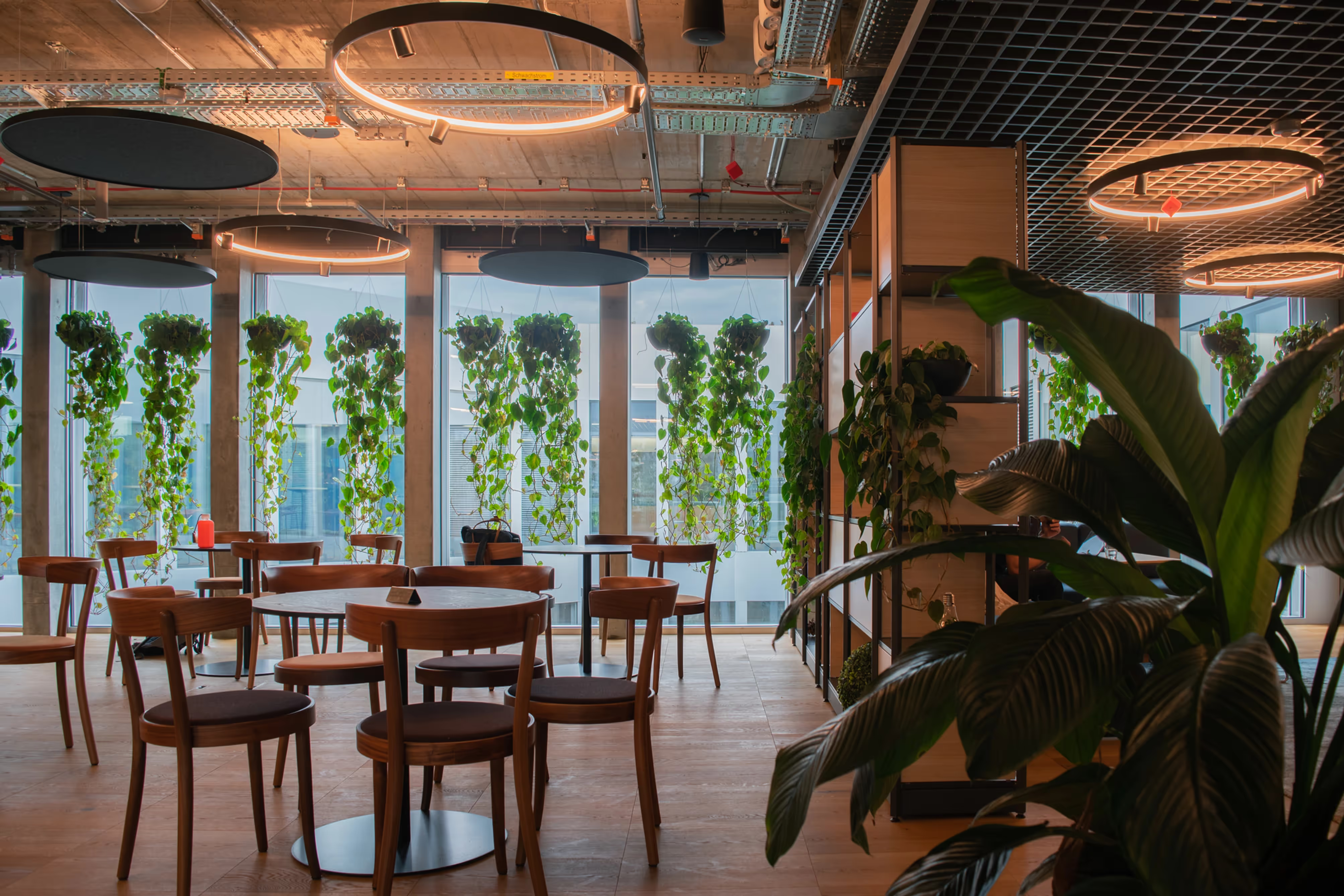
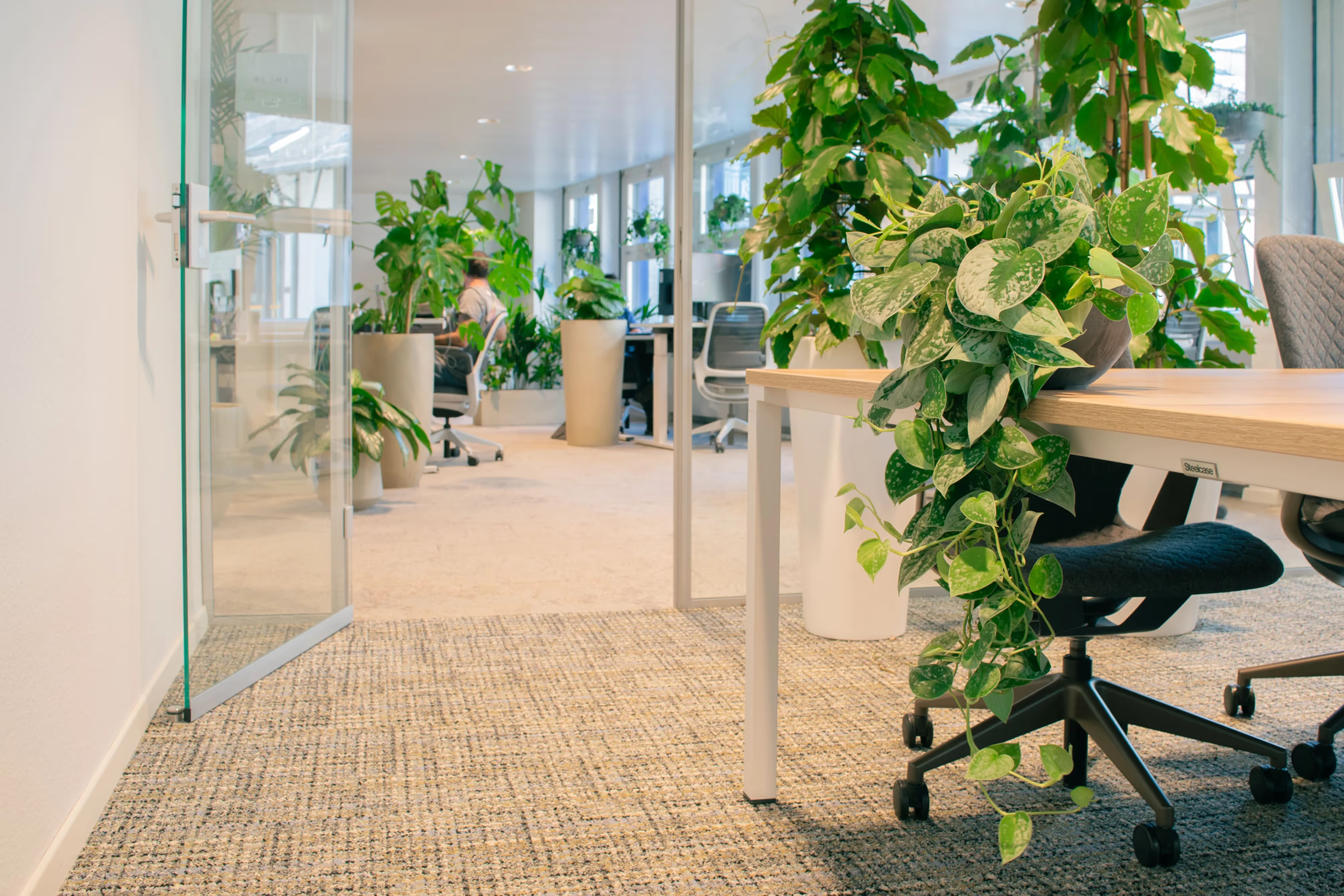
In front of a window works particularly well, where the plant doubles as natural shade and a living curtain. Ceilings, wall brackets, and shelving are the other common fixing points, especially where floor and desk space are limited.
The main one is access. Watering and feeding usually means taking the plant down and hanging it back up, which is more effort than watering something on a desk. A step ladder or a simple irrigation system removes most of that friction.
Philodendron scandens and satin pothos (Scindapsus pictus) are two of the most reliable choices for a dimmer office. Both are undemanding and grow steadily even without direct sun.
It depends on the species, room temperature, and humidity, but checking the top layer of soil once a week is a reasonable routine for most low maintenance office plants. Water moderately if it feels dry.
Yes, provided you choose the right species. Philodendron scandens and satin pothos are both bred for shaded conditions and will hold their colour and growth rate in a windowless meeting room or a corner away from daylight.
Yes. Hanging plants work well alongside desk plants, floor plants, and living walls as one element of a wider concept. We design, install, and maintain the full mix as part of our office plant service, so the planting works together rather than as scattered, separate additions.